 Leighton Cosseboom · · 3 min read
Country comparison: how Malaysia, Thailand, Vietnam, and the Philippines stack up for tech startups
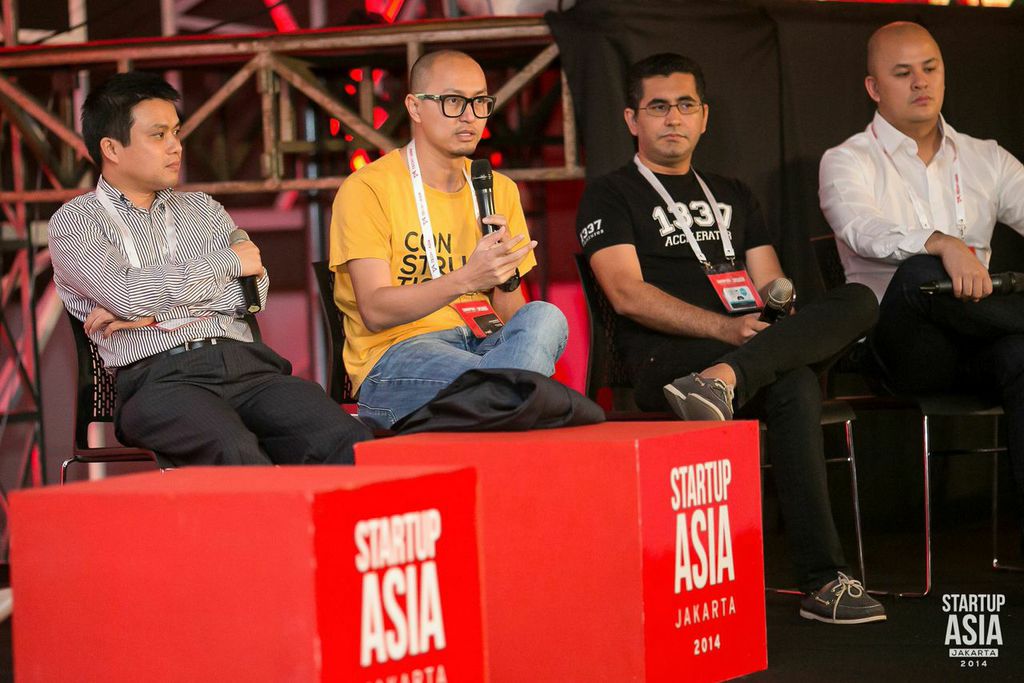
Startup Asia Jakarta’s country comparison panel discussion, which examines a few emerging markets in Southeast Asia, featured four knowledgeable stakeholders from Vietnam, Thailand, Malaysia, and the Philippines.
Patai Padungtin, founder of Thai construction business software Builk; Tuan Pham, Vietnamese founder and CEO of Topica Edtech Group; Bikesh Lakhmichand, founder of Malaysia’s 1337 Ventures; and Paul Rivera, founder and CEO of Kalibrr in the Philippines, sat down with moderator Gwendolyn Tan.
The biggest stories this year in Southeast Asia
Rivera highlighted PLDT’s 10 percent purchase of Rocket Internet for US$500 million as the largest news in the Philippines this year. Padungtin was just glad that Thailand was able to establish a sustainable government, while Lakhmichand mentioned GrabTaxi raising US$90 million in funding with in 12 months and MOLPay listing on the NASDAQ as Malaysia’s biggest events.
Pham highlighted a company in Vietnam called HaiVL that was similar to 9GAG getting invested in by a local media company for US$1.5 million, then getting shutdown just days after.
What are the current challenges in each market?
As diverse as those markets are, they all experience funding shortfalls, especially at seed stage. The big pain point brought up about the Thai and Malay markets was the existence of funding gaps. Padungtin and Lakhmichand came to a consensus that it was easy for entrepreneurs in their countries to get small early funding and angel investments, but there is real lack of players writing checks to startups for series A investments.
See: Softbank to invest $20 million in startups in the Philippines
Rivera says the Philippines is now solving its funding gaps with a lot more input from the likes of Kickstart Ventures, IMJ Investment Partners, and SoftBank. But it will definitely take more time for mature startups to emerge and take advantage of that funding in later stages.
Slam your neighbor
The four panelists threw out some light-hearted quips about which of their countries is better suited for tech startups and global expansion. This included snappy comments like whose internet is more stable or whose population consumed and spoke English better, and of course, which nation has a better ecosystem for funding.
Padungtin says enterprise services will soon be a bigger force among Thai startups. “In Southeast Asia, you have to have a revenue model built in,” adds Rivera. According to him, you can’t rely on consumer spending online. B2B startups are well-suited to all Southeast Asian markets, agreed the four panelists. However, Pham pointed out that a lack of transparency in Vietnam could make B2B a lot more difficult there.
Country comparison discussion at #StartupAsia,Singapore seems to have done some things right that others are still struggling with @jfdiasia
— Moritz Heininger (@MoritzHeininger) November 26, 2014
‘english not an issue in Asia’ says @privera #StartupAsia ‘Come and use the talent in #Asia‘ for your #global business
— tyson hackwood (@tysonius) November 26, 2014
This is part of the coverage of Startup Asia Jakarta 2014, our event running on November 26 and 27. Follow along on Twitter with the #startupasia hashtag.
Stay updated on the go with our mobile app.
Get latest insights with smoother, more personalized experience through TIA mobile app.
Recommended reads
 Animoca backs $70m round of 🇹🇼 VC firm’s maiden Web3 fund
 Daily news roundup – February 8
 “Rule of 25” is the key to startup IPOs, says Asia Partners’ Nick Nash
 Southeast Asia’s next tech IPOs: what, when, where?
 Singapore’s EV motorbike startup Ion Mobility bags seed funding for launch in Indonesia
 Indonesian healthtech firm gets $7m dose from Golden Gate Ventures
 East Ventures, AC Ventures co-lead $4.5m round of Indonesian oral care firm
 East Ventures leads seed round of Indonesian manufacturing startup
 Beleaf raises $6.9m to expand farming-as-a-service model
 Vietnam, Philippines attract VCs deterred by pricey Indonesian market





Editing by Paul Bischoff
(And yes, we’re serious about ethics and transparency. More information here.)





📅 Upcoming Events
22 October 2026
Payoneer x CSPN Summit 2026