Pearl Liu · · 3 min read
China’s P2P lending market to get boost from Greater Bay Area development, DBS Bank says
China’s peer-to-peer (P2P) lending industry, which has shrunk dramatically under a government crackdown, should get a welcome boost from the development of the Greater Bay Area, according to DBS Bank.
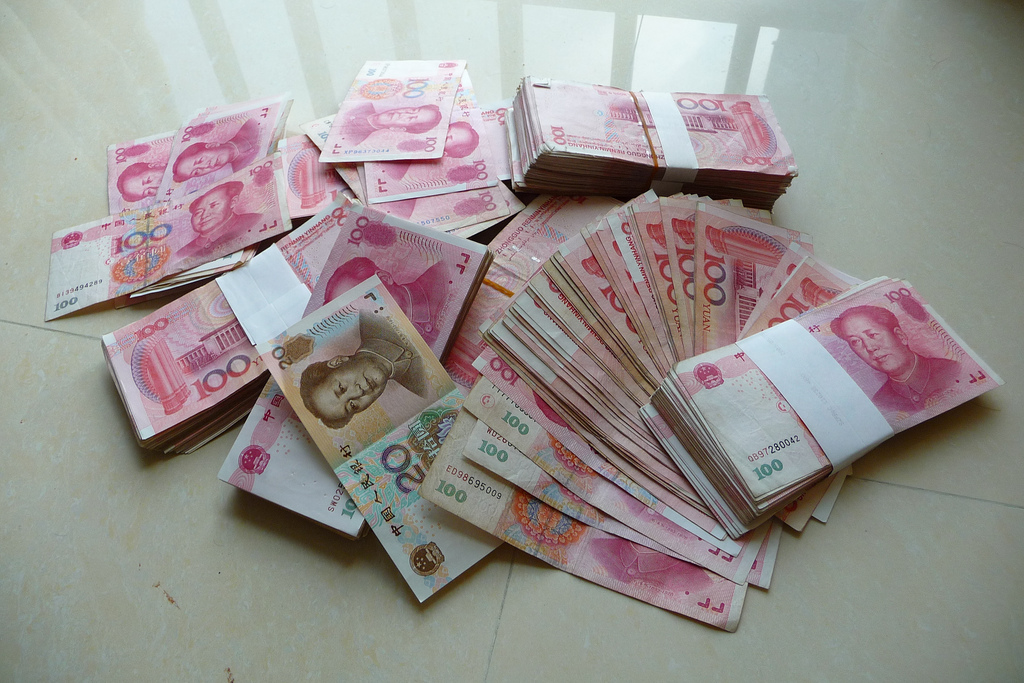
Photo credit: DC Master
By 2030, P2P lending will enjoy an annual growth rate of 17% in the new economic and innovation hub, making it the fourth-fastest growing sector there, the Singaporean bank estimated.
In P2P lending, internet-based platforms match private investors with individuals or small companies that want to borrow.
“We see that P2P lending across China could reach one trillion yuan by 2030, and the Greater Bay Area with its particular focus on innovation and entrepreneurship, would be more open to the P2P concept,” said Ken Shih, senior research director at DBS.
“A capital-intense industry upgrade is inevitable, and P2P platforms can meet the financing needs of new business formats – small and micro companies in particular.”
The bay area, encompassing Hong Kong, Macau, Shenzhen and eight other mainland Chinese cities in Guangdong, aims to be a leading global innovation hub embodying President Xi Jinping’s ambition to create a technology powerhouse to rival Silicon Valley or the Tokyo Bay Area.
DBS believes that to achieve that, the area covered by the scheme will undergo an “upgrade” from its manufacturing base to a more services-oriented economy. As this happens, it is likely to attract more and more small start-ups for whom borrowing from traditional banks can be problematic.
The bank ranks P2P lending at fourth place in a table of estimated growth rates for different sectors in the bay area by 2030. Smart appliances top the list with a forecast 30% growth rate, while P2P is just behind online advertising in third place.
China’s P2P sector found itself racked by scandal after an initial boom in 2016. The number of platforms plummeted last year as regulators swooped to halt an epidemic of fraud and weakening investor sentiment fuelled by massive defaults.
The industry faces further challenges as China starts a trial registration process in pilot cities later this year.
According to the Economic Information Daily, a state-run newspaper, the program will clarify the registration threshold and business boundaries for the remaining P2P services, categorizing them into national and regional platforms, and require all of them to set aside general risk reserves and loan loss provision for lenders on the platforms.
Gao Shenghan, vice chairman of the Shenzhen Internet Finance Association, estimates that in Shenzhen, about 80 platforms are still running, down from 1,000 at the peak. He predicts that only 20 will survive after a widely-expected pilot registration program is launched.
“But the new regulation is not going to put an end to the sector; it will be trying to screen out illegal platforms and enhance the sustainability of P2P,” said Gao.





Stay updated on the go with our mobile app.
Get latest insights with smoother, more personalized experience through TIA mobile app.