Aditya Hadi Pratama · · 2 min read
Indonesian no-code website builder raises seed funding from Y Combinator
Typedream, an Indonesia-based website builder, announced it has raised an undisclosed amount of seed funding. Y Combinator, former Sequoia Capital partner Timothy Lee, Makerpad founder Ben Tossell, WordPress executive Aadil Mamujee, and Twitter founding engineer Blaine Cook participated in the round.
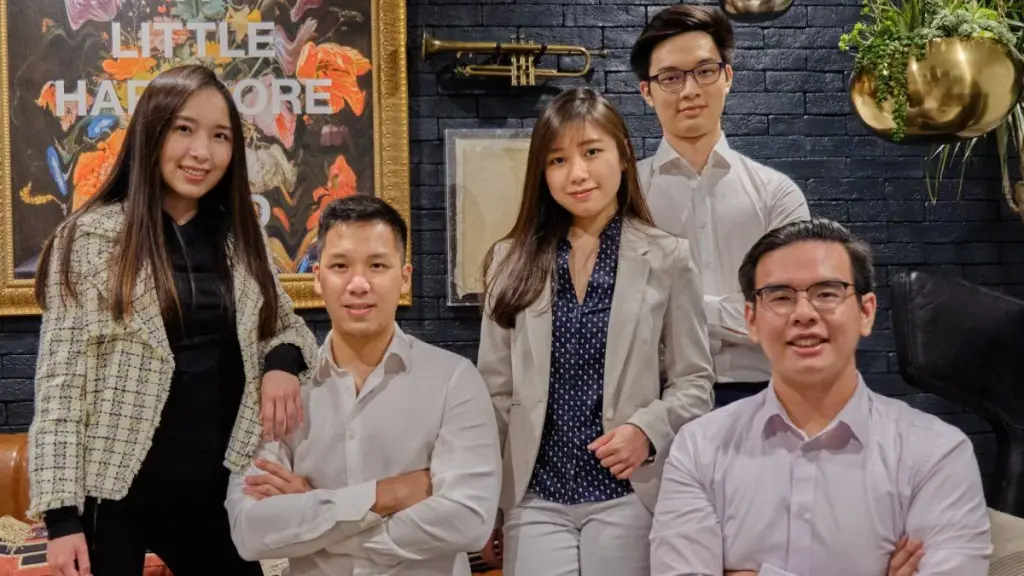
Typedream’s team / Photo credit: Typedream
Founded in 2021, Typedream is a platform that allows its users to create websites with no coding skills required. “We sit in the middle between easy-to-use platforms like Squarespace and beautiful-looking but hard-to-use ones like Webflow,” chief executive Kevin Nicholas Chandra told Tech in Asia.
It will use the fresh funds to double down on product expansion.
Chandra built the company with four of his friends: Michelle Marcelline, Albert Putra Purnama, Anthony Harris Christian, and Putri Karunia. Prior to this, they had created Cotter, an authentication service that allows users to log in to any platform without punching in their passwords. They entered Y Combinator’s incubator program in 2020 with that idea.
However, while the product generated decent revenue, it failed to achieve the growth rate that they wanted.
“We learned that developers are a very hard audience since they scrutinize every penny they spend on services. On the other hand, enterprise customers take three months to 12 months to convert,” Chandra explained.
It led them to pursue another market: people who can’t code but need to create digital products, such as influencers, schools, and small business owners. According to Chandra, while some of them have learned how to use website builder platforms like WordPress and Wix, many of them kept hiring freelancers to build websites on those platforms.
“We found out that no-code users are much easier to convince since they won’t build the services they need by themselves,” Chandra says.
Typedream charges a subscription fee of US$15 per month. Chandra shared that he had launched the minimum viable product (MVP) with just three features, but people were already willing to pay for the service. “We learned that people are willing to pay for a product that solves their problem with the least amount of technology.”
“We currently support only static websites such as landing pages and personal websites, and we want to expand our use case to commerce,” he says.
Editing by Miguel Cordon and September Grace Mahino
(And yes, we’re serious about ethics and transparency. More information here.)





Stay updated on the go with our mobile app.
Get latest insights with smoother, more personalized experience through TIA mobile app.