 Leighton Cosseboom · · 3 min read
Indonesia’s Orori 3D-prints high-end jewelry on demand, lets users design their own treasures
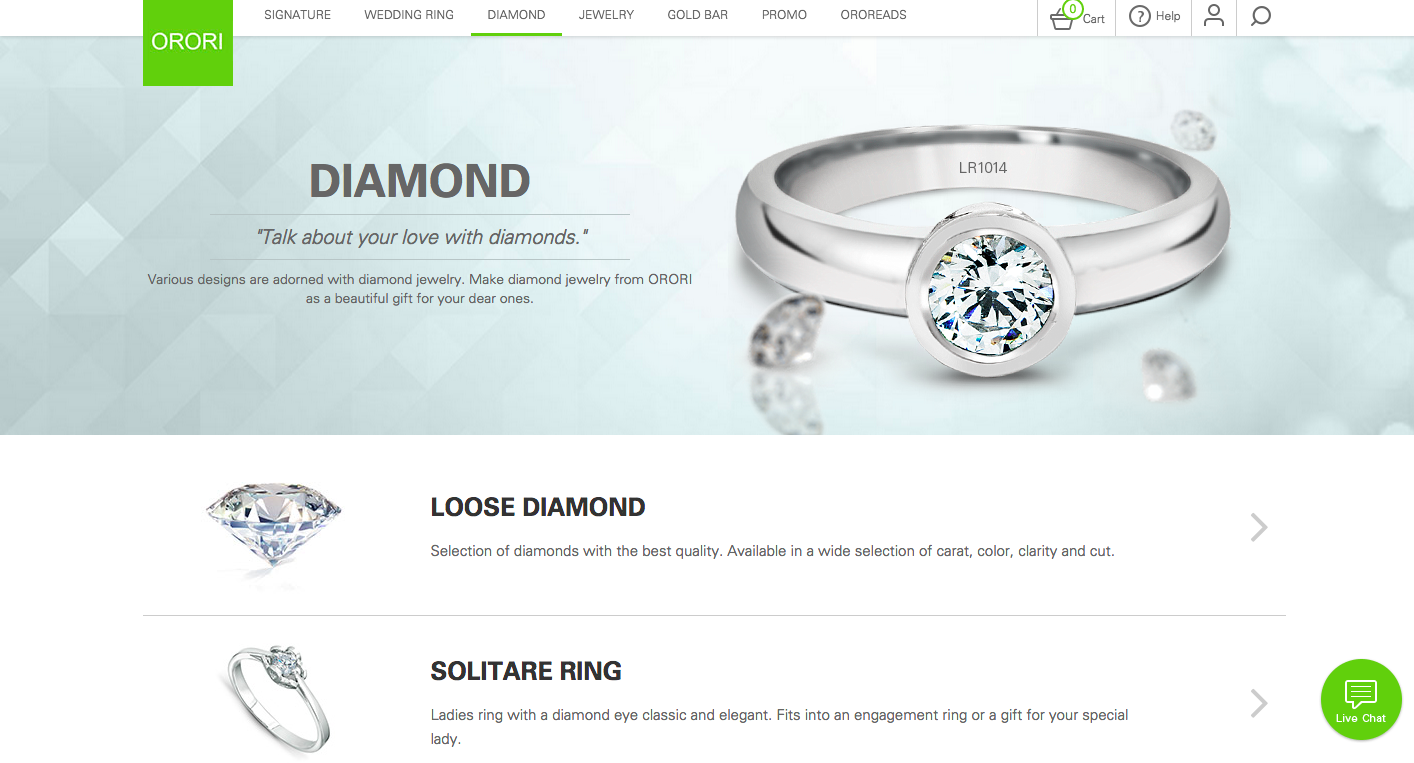
High-end 3D-printed jewelry just arrived on the web in Indonesia. An online store called Orori, which was first established in 2012, launched its revamped site with new 3D printing options last week in Jakarta.
Orori first started out with brick-and-mortar stores in 2003, but then made the bold move to shut down all the shops so as to focus on ecommerce. As far as Tech in Asia knows, it’s the only jewelry company in the archipelago to move from the streets to a fully online business model.
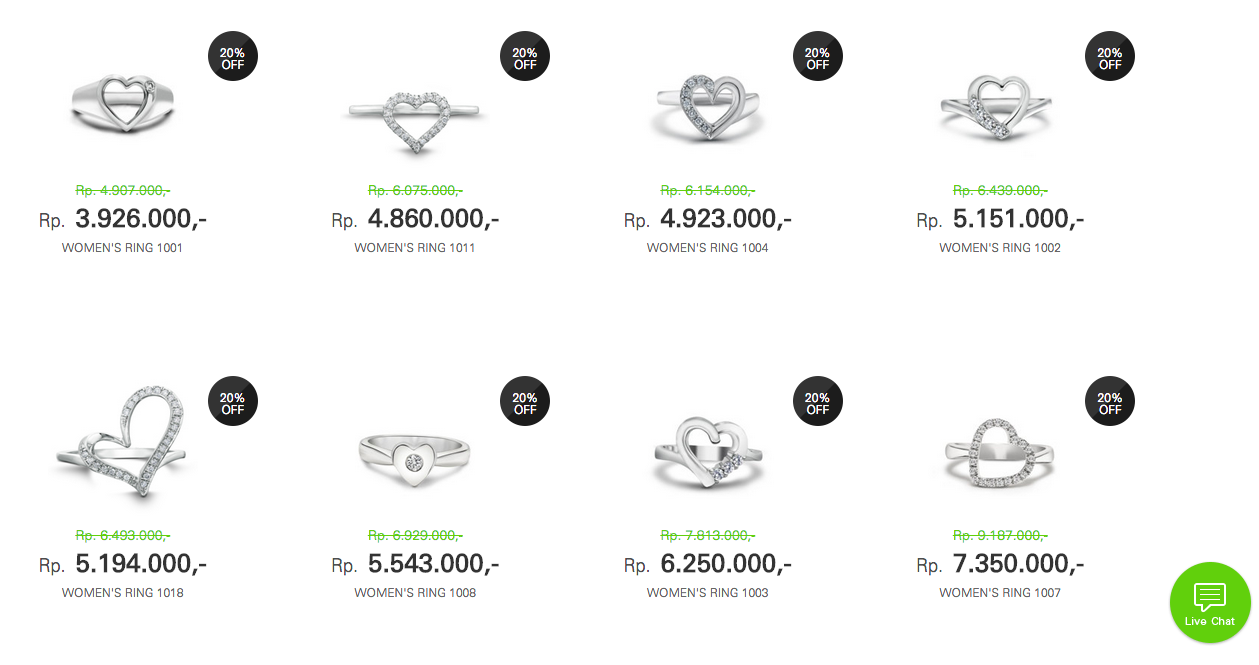
Orori founder George Budi Sumantri says the revamped site currently has more than 20,000 products (SKUs) worth more than US$35 million available for purchase. However, this does not mean Orori is holding stock of US$35 million worth of treasure – sorry, jewel thieves. In fact, it doesn’t hold inventory at all. That’s because Orori makes jewelry on demand using 3D printers.
With the help of 3D printing, Orori has incorporated a new ‘Design My Own’ feature into the site. It lets users create custom designs for their jewelry. In effect, the user-generated content also adds to the number of SKUs that Orori offers. There’s still off-the-shelf jewelry available on the estore for those who don’t want to play at being a designer.
See: JewelDistrict makes 3D-printed, one-of-a-kind jewelry
Designing wedding rings on the go
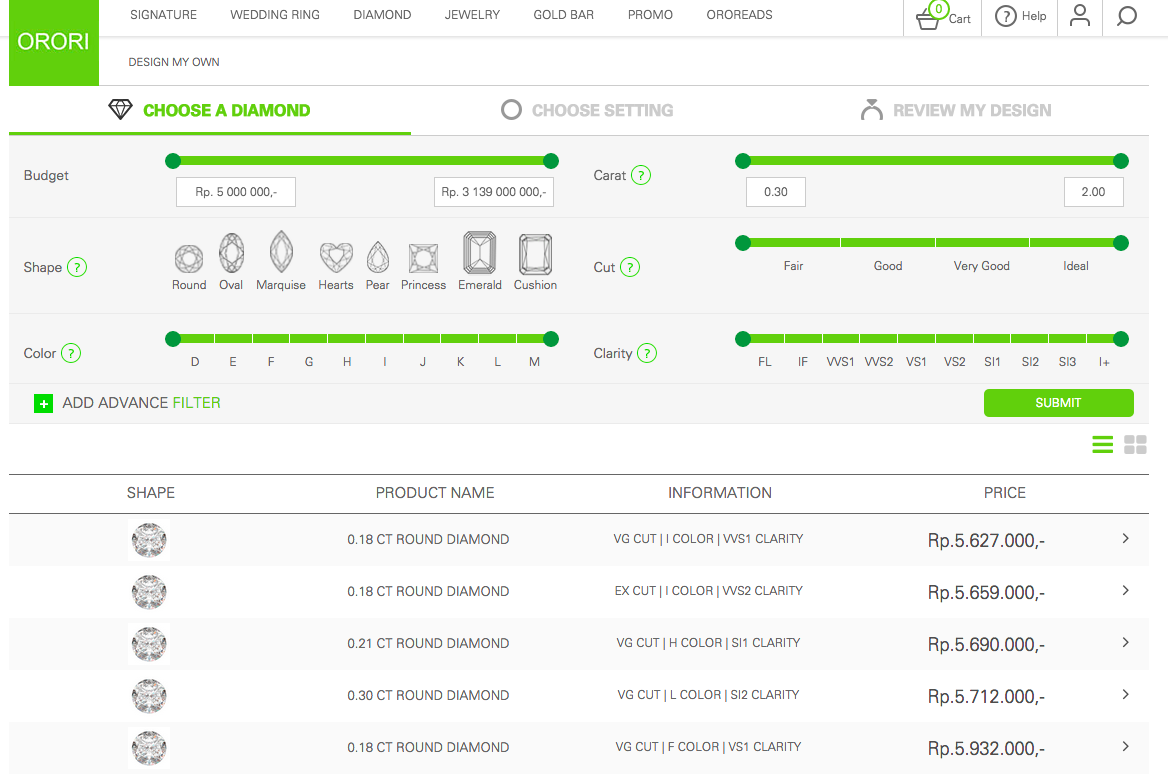
In the Design My Own experience, users can select diamonds based on budget, shape, color, carat, cut, and clarity. In the next step, the shopper can choose the band and setting for how their gem will be mounted. They can also type out engravings and see them as they will appear on the ring. In the final review stage, users can see a 360-degree image of their order. This is meant to ensure that there are no design flaws or unwanted surprises when they receive their order a couple days later.
Sumantri says Orori has not yet released its mobile apps for iOS and Android, but for now, the site is just mobile optimized. This means that it’s accessible via mobile internet browsers, and users can perform everything on their phones that they can do on the site. This includes designing their own jewelry, says Sumantri.
Back in November, Orori announced a seven-figure pre series A round of funding led by Ideosource, and followed by IMJ Investment Partners, East Ventures, and 500 Startups (Disclosure: East Ventures also invests in Tech in Asia. See our ethics page). Sumatri says Orori is currently looking to raise series A funding.





Stay updated on the go with our mobile app.
Get latest insights with smoother, more personalized experience through TIA mobile app.










📅 Upcoming Events
22 October 2026
Payoneer x CSPN Summit 2026