Terence Lee · · 8 min read
The future of online Asian travel isn’t up in the air; it’s buses, taxis, ferries, and trains

Travel involves more than flights and hotels. It’s about the journey from the airport to your lodging. It’s about making the ride as smooth as possible: knowing which cabs to book, where and when to book them, and how much to pay. That’s why hotels double as concierges. Transportation in cities is complex.
And transportation isn’t getting simpler. Cabbing involves a series of complex decisions. You decide where you’re going, the best route to take, and how long it takes to get there without being late. Supply and demand mismatches can mess you up. Cabs may not be around when you need them to be.
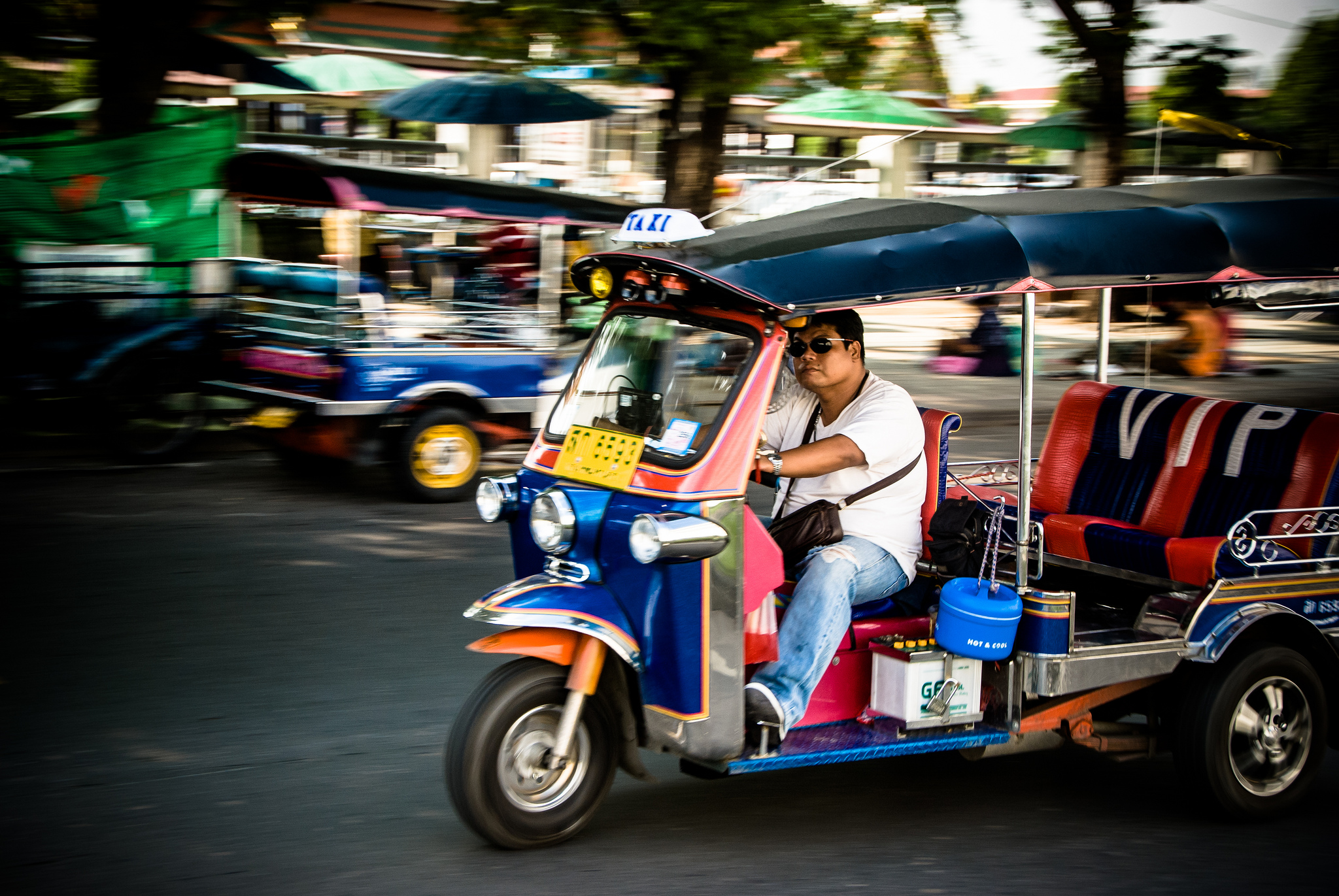
The situation gets hairier if you’re a hapless foreigner: now you have to deal with language barriers, new environments, and unfamiliar, often unfriendly, taxi operators. This friction erases the joy out of travel. Railway and subway in Taipei, for instance, run on separate ticketing systems. Auto-rickshaws, or tuk-tuks as they’re called, need you to know obscure locations in the city and pronounce them correctly. Showing drivers the map doesn’t work; some can’t read, and some can’t afford prescription glasses.
Fixing these problems is hard, but the solution is easy to articulate. It’s called networked travel, where old-fashioned motor-and-wheels pair up with computing, mobile, cloud, and software technologies. The goal: to make travel as seamless as possible through the use of both individual and operator data.
Unfortunately, folks think of networked travel too narrowly. Within the online travel industry, everyone wants to crack hotel and flight bookings, turning that segment into a highly competitive field inhabited by naive entrepreneurs and carcasses of broken dreams.
But internet companies are wising up. They are realizing that travelers don’t just care about the lowest prices and best deals, but about making the entire process of getting from home to hotel room painless. Part of the answer lies in ground transport.
Budget air travel is a luxury
It’s more than just catering to cosmopolitan travelers after they touch down. Another huge opportunity is ripe for the taking. While budget air travel has taken off in the past decade, it’s still expensive. A trip to a nearby holiday destination and back will set a person back about US$300, not including hotel stay. The cost to ride on a tuk-tuk, by contrast, is loose change.
By fixating on flights, internet companies missed out on a huge segment of travelers: the intra-country tourists in land-wealthy China and India, the intrepid Malaysian braving the traffic jam between Johor and Singapore for work each weekend, and the unhurried urban dweller seeking a cheap getaway. Entrepreneurs can make money not just from these travelers, but also the bus, taxi, ferry, and train operators that move people by the truckloads. Non-flight travel has a lower barrier to entry for consumers, which is why they do it day after day.
So, unless true airline innovation happens, non-flight travel can make even further inroads into consumers’ lives. Telepresence technology could lessen the need for business trips, while driverless vehicles can make ground travel pleasurable and productive. Think of how cruise ships became popular despite sea travel fading with affordable flight. Similarly, as robots take over the wheel, manufacturers could put a higher premium on in-car entertainment. Apple and Google know this is the future, which is why they’re focusing on customizing iOS and Android for cars.
The money is pouring in. A PhocusWright report observes that in Asia, online travel companies focused on ground transportation have collectively raised US$605 million between 2005 to 2013 – the highest of all travel categories. The investments could accelerate in 2014. Witness Uber’s US$1.2 billion fundraise in June. With its recent expansion, the company’s Asian operations seems likely to receive a sizable chunk of that investment. Also, local players are taking the fight to Uber and raising money of their own. GrabTaxi in Southeast Asia, TaxiForSure and Olacabs in India, as well as Didi Dache in China come to mind. And where opportunity beckons, you can guarantee Rocket Internet is there – its EasyTaxi is available in many major Asian cities.
See more: 10 taxi apps you can use across Asia
Uniting thousands of little tribes
All shapes and sizes





Stay updated on the go with our mobile app.
Get latest insights with smoother, more personalized experience through TIA mobile app.