- Insights This article was written by a TIA community member. Insights pieces undergo the same rigorous editorial process that newsroom-produced articles have.
 Sair Ali · · 5 min read
What to expect from food delivery platforms in 2020
Disclosure: The author is the CEO of a food delivery company.
Anyone following the food delivery space can pick up on the signs of upheavals in the industry. Uber Eats sold its India business to Zomato, and Glovo – a Spanish unicorn operating in over 20 countries – closed down operations in four countries to achieve profitability by 2021. Delivery Hero, on the other hand, merged its two brands, Talabat and Carriage, in the Middle East and North Africa region.
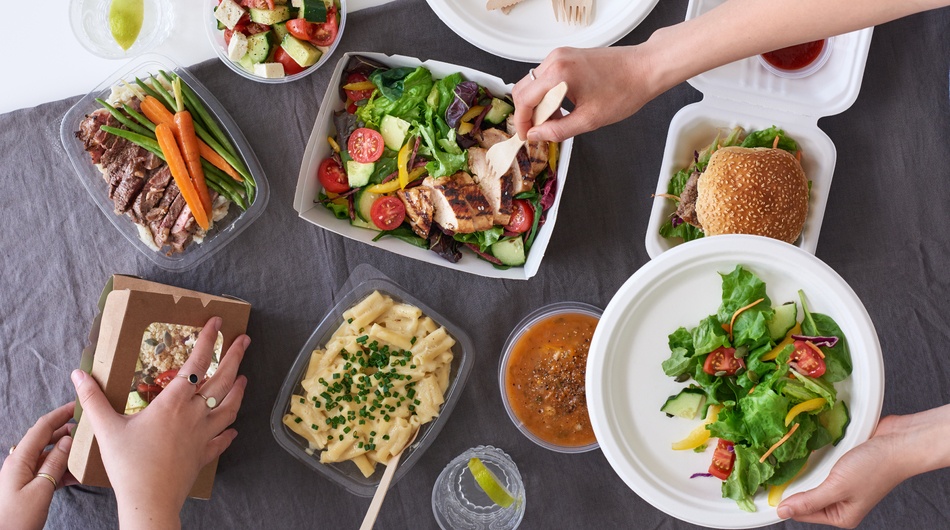
Photo credit: Warrengoldswain
Growth at any cost is no longer an option for these platforms at this stage. The Wall Street Journal recently reported conversations between multiple food delivery companies in the US to explore options of collaboration or consolidation. The reason is clear: venture capitalists are not interested in funding subsidies anymore.
The industry has very few profitable companies. Meituan-Dianping in China is one of the exceptions: The food delivery giant is operating in a competitive market and has a strong opponent in the form of Alibaba-owned Ele.me, which has turned profitable. Massive scale, focus on alternative revenue streams like ads and deliveries to other verticals, and effective fleet management has led to Meituan’s success. Another food delivery company, US-based Grubhub, is profitable, but its revenue is declining.
Other than these two firms and a few others here and there, no notable food delivery services are profitable.
Food delivery is an industry that has not yet weaned off of VC money. Uber Eats’ losses in 2019 were US$461 million on revenue of US$734 million. In 2018, Zomato lost approximately US$300 million and Deliveroo lost more than US$500 million.
The space, which has been built on subsidies, is now left stranded with little support from investors. Thin margins, low brand loyalty, and little differentiation are some of the things that make this business difficult.
But there are also signs that securing more funds will be a challenge. Swiggy raising a US$115 million round from its existing investors is a sign that its next big round is either late or is non-existent. Glovo rolling back from four markets right after its fundraising round is a sign that it has either been unsuccessful in raising the entire round or it does not expect the next one to be easy.
How will the industry evolve?
In this environment, the most natural option left for these platforms is to consolidate. By the end of 2020, it is expected that most markets will be left with a maximum of two major players, and some will become a single-player market.
During and after the consolidation, there will be corrections in the market. The natural goal of these platforms post-consolidation would be to finally return profits to their investors. Some visible and expected strategies for these platforms would be as follows.
Increase in commissions
This is already visible in markets where there is a monopoly or one large player with over 70% market share. The commission percentages have already gone as high as 40%, making a direct impact on restaurants. In price-sensitive markets, where establishments also get sizable volume from direct/phone orders, restaurants would be reluctant to increase the prices.
This problem has been addressed by the establishments in different markets by increasing the overall menu prices and then running offers/discounts on in-store and direct delivery channels. Building and growing their own delivery channel has become more important than ever.





Stay updated on the go with our mobile app.
Get latest insights with smoother, more personalized experience through TIA mobile app.