- Premium Content It takes our newsroom weeks - if not months - to investigate and produce stories for our premium content. You can’t find them anywhere else.
 Jofie Yordan · · 6 min read
TikTok Shop’s logistics dilemma: to build or not to build
TikTok Shop is emerging as a formidable contender in Southeast Asia’s ecommerce arena. It recorded a gross merchandise value (GMV) of US$4.4 billion in 2022, a 363% growth from the year before.
That figure may be a fraction of the US$47.9 billion in GMV that Shopee handled during the same year, but the ByteDance-owned platform’s ecommerce goals span wider.
However, since it’s s a newer player that entered the ecommerce space just about two years ago, TikTok Shop lacks the logistical capabilities that its competitors have built.
Shopee, Lazada, and Tokopedia all have in-house logistics for fulfillment and last-mile delivery, which reduces their operating expenses as they don’t need to rely fully on third-party logistics (3PL) firms.
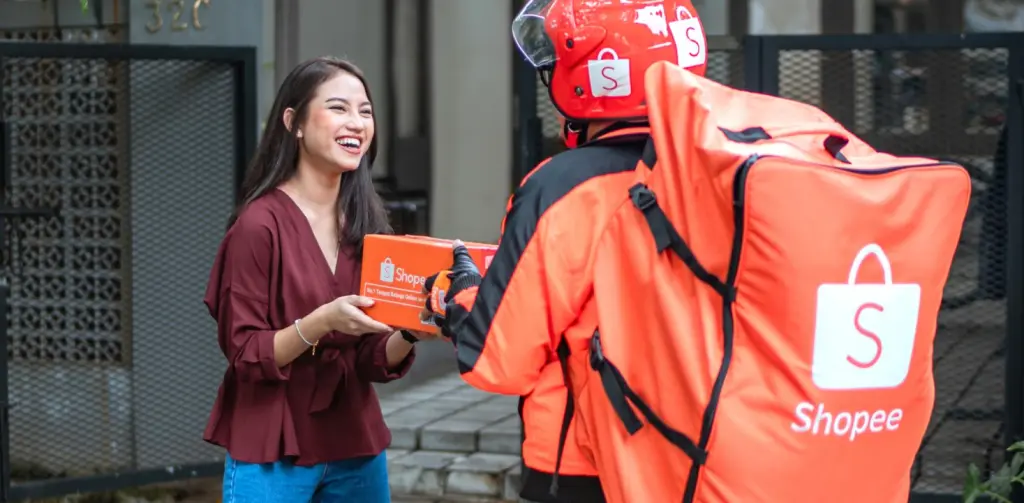
Shopee established its in-house delivery unit in 2019. / Photo credit: Sea Group
Having their own logistics unit also gives ecommerce players better control over the delivery experience, making product returns and other shipping-related issues easier to handle.
Currently, TikTok Shop relies on 3PL players such as J&T Express and Ninja Van for delivery. But having ownership over its supply chain could play a key role in TikTok Shop’s growing ambition – it’s aiming to hit US$20 billion in sales in Southeast Asia this year.
A balanced approach
Lazada was the pioneer of ecommerce logistics in the region, launching its first fleet in 2015. Shopee followed suit in 2019 with Shopee Xpress.
Indonesia-based players Tokopedia and Blibli have also made significant investments in the logistics sector. The former acquired logistics firm Swift to operate last-mile and fulfillment services Dilayani Tokopedia.
Meanwhile, Blibli is building a 10-hectare warehouse – its largest to date – in Bekasi, a city 30 kilometers east of Jakarta. The firm, which went public in November 2022, has 16 warehouses and 33 hubs across Indonesia.
“Any serious ecommerce effort needs in-house logistics capabilities,” Roshan Raj, a partner at Redseer Strategy Consultants tells Tech in Asia. He adds that the split between in-house and 3PLs can vary according to “business priorities, access to capital and other variables.”
Raj notes that to gain a wider reach and sustain its GMV momentum, TikTok Shop can build its own logistics fleet, make an acquisition, or merge with firms that have existing assets.
“A balanced approach could be to build in-house capabilities in areas of predictable demand with high network capacity utilizations while deepening partnership with select 3PLs in other locations,” Raj says.
To partner or to build?
Remedy or agony?
Stay ahead in Asia’s tech landscape
This is premium content. Subscribe to read the full story.
Top ecommerce players in Southeast Asia have in-house logistics for both last-mile delivery and fulfillment. Should TikTok Shop follow suit?
We know this is not ideal. ⌛ Sign up in 20 seconds. Cancel anytime.
Our subscriber community includes professionals from these companies:





Stay updated on the go with our mobile app.
Get latest insights with smoother, more personalized experience through TIA mobile app.