Steven Millward · · 6 min read
Dear Apple, Amazon, Google: Here’s Why Chinese Consumers Hate Your Ecosystems
Chinese consumers love your gadgets – that’s great news. But the bad news for Apple, Amazon, Google, and many more companies is that Chinese netizens hate your ecosystems. They really don’t want to be trapped in your walled garden. In an age of platforms and extended web services, that’s a huge monetization problem for tech companies entering the world’s biggest market.
Android, without the Google bits
This aversion to tech ecosystems in China is seen most starkly with Google’s mobile OS, Android. An estimated 189 million smartphones were sold in China in 2012, and as many as 86 percent of those were Android devices. But that huge user-base hasn’t translated into popularity for Google’s other apps and services.
Why not? Google has long had a rough ride in China, starting with the Great Firewall blocking YouTube back in 2007 – never to become accessible again. Many more Google services were later turned off by Net Nanny, as some scandal or spread of information made it more convenient for authorities to shut down these channels. Later the GFW blocked Picasa, Blogger, the AppSpot engine. More recently, some apps that are much more central to Android, like G+ and Google Drive, got blocked as well. That certainly hasn’t helped Google’s ecosystem, but I don’t believe it’s the leading cause of Chinese consumers being keen to remove the Google bits from Android.
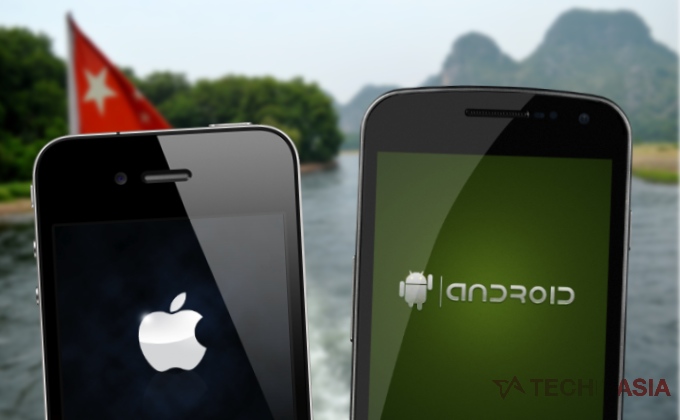
Love the phones, hate the ecosystem.
Far more crucial to this ecosystem aversion is something indicative of a healthier side of the Chinese web – lots of quality competition. Regardless of the Great Firewall or anything else, Chinese consumers love to pick and choose and mix and match – and get the best deal. We’re talking about consumers who’ll haggle for an hour to save a dollar. And so if there are better apps and services out there, then screw your ecosystem. For cloud storage, Chinese smartphone users could install apps from Baidu, or Shanda, or numerous startups. Over 30 million users have opted for Baidu NetDrive already.
Same for email. Same for web video.
It even applies to sourcing Android apps, with Chinese Android fans choosing to scour a wide range of third-party app stores for games and apps rather than using Google Play.
All that freedom of choice reinforces the general dislike among Chinese netizens of being locked in a walled garden. Using Android generally demands having a Google account and having a Gmail address – but not every user wants to be coralled into this.
Apples are not the only fruit
Apple might have been pushed down to an ignominious sixth place in terms of smartphone sales in China recently – well below Android handset makers like Samsung and Lenovo – but the iPhone and iPad are still examples of an astonishing gadget success in the country. Yet the whole Apple ecosystem hasn’t been so warmly embraced.
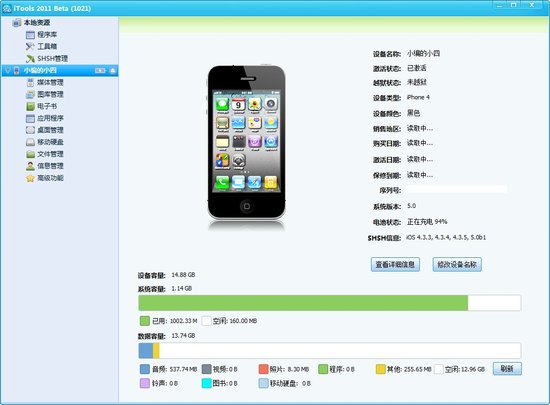
iTools is an alternative to iTunes (and helps you jailbreak) if you prefer to opt out of Apple’s ecosystem.
This is despite Apple having built up the most rigid ecosystem (probably an oxymoron, as ecosystems are fluid and adaptive in nature) that mandates having an Apple ID, syncing via iTunes, and not customizing your phone’s UI in any meaningful way. Almost inevitably, a lot of Chinese iOS owners have flipped the bird at all these restrictions and – as is the case on Android – have been greeted with plenty of locally-made resources that can be used as alternatives.
Who cares about the Kindle?
Be water, my friend





Stay updated on the go with our mobile app.
Get latest insights with smoother, more personalized experience through TIA mobile app.