Mary-Anne Lee · · 3 min read
Here are some alarming facts that suggest Kickstarter game campaigns are running out of steam
Is Kickstarter funding on the decline? Consultancy firm Ico Partners certainly seems to think so. Thomas Bidaux details some alarming facts in a report, using doubled funding figures from the first half of 2014 in comparison with 2013’s performance.
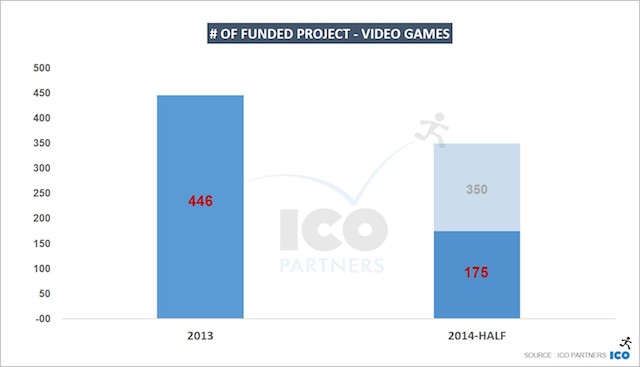
In 2013 there were 446 funded projects on Kickstarter, compared to 175 funded projects in 2014’s first half. Even with a projection of a similar number of projects in the second half of the year, 2014 only ends up with 350 funded projects—20 percent less than 2013’s tally.
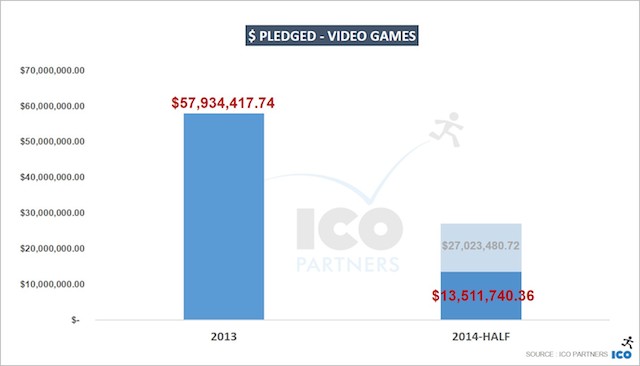
In 2013, US$58 million was pledged. In contrast, the first half of 2014 saw just US$13.5 million in funding. Assuming the same average gets pumped into crowdfunded projects this second half of the year, 2014’s total funding figure will stand at less than half of what 2013 has been.
Bidaux mused over some possible reasons for decline, the first being that all low-hanging fruit has already been grabbed. According to the report, 21 projects received more than US$500,000 funding in 2013, while only three projects managed to do so in 2014. A lot of those projects from 2013 made use of strong brands, such as Torment: Tides of Numenera and Mega Man spiritual successor Mighty No. 9. It was the same for 2014’s three heavily-funded projects: Kingdom Come: Deliverance is a project from an all-star Czech studio, Amplitude is from rhythm game giant Harmonix, and The Unsung Story is headed by Final Fantasy Tactics creator Yasumi Matsuno.
(See: Final Fantasy Tactics creator is asking for your help)
Bidaux also explains how big hits could invariably drive traffic to smaller projects, since Kickstarter’s recommendation system promotes similar projects to backers. The lack of big hitters in 2014 could explain the large discrepancy between the total amount raised in the last year, he wrote.
Bidaux felt that the end of the honeymoon period was another reason for this Kickstarter funding decline. Crowdfunding used to be new and daring back in 2012; it was an avenue for genius game developers long-stifled by the long and historic arms of their companies (coughKeijiInafunecough) to break out on their own and make the games they really wanted.
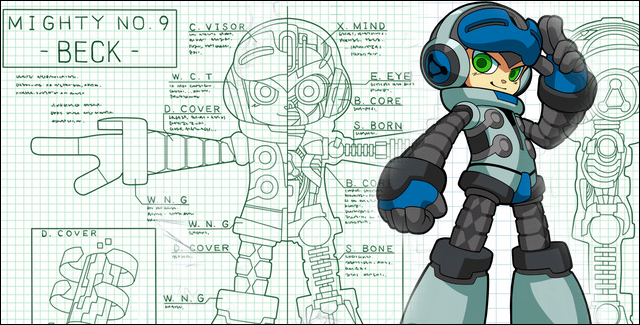
Concept art from Mighty No. 9.
But by the time 2013 rolled around, people were more cautious, and the market was more saturated. In 2014, they were starting to keep things at an arm’s length, possibly due both to failed projects, and the crowdfunding model maturing.
There’s the competing Early Access feature on Steam, which, while also having seen its fair share of failed games (War Z, for example), was a lot easier to use compared to Kickstarter. An incredible amount of marketing work has to go into creating successful and consistent Kickstarter campaigns, and this is effort that some developers don’t understand the importance of, or sometimes, simply cannot do so themselves.
China’s Qihoo invests $25 million in Brazilian maker of anti-virus apps





Stay updated on the go with our mobile app.
Get latest insights with smoother, more personalized experience through TIA mobile app.