 Paul Bischoff · · 3 min read
Political attack ads claim Alibaba will ‘decimate’ US retailers
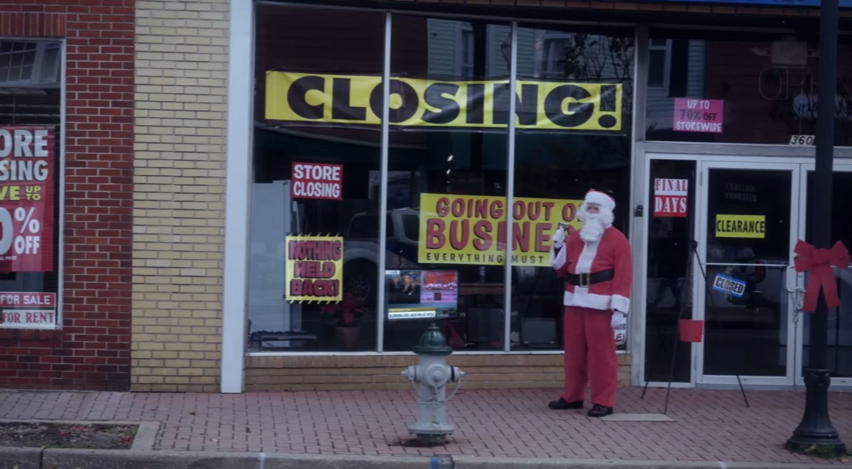
The US mid-term elections wrapped up last month, but the political attack ads haven’t ground to a halt just yet. New 30-second radio and TV spots paid for by some of the biggest retailers in America claim Alibaba threatens “Main Street” businesses. The Alliance for Main Street Fairness, which includes retailers like Best Buy, Target, and JC Penney, argues that Alibaba has an unfair advantage on brick-and-mortar retailers because of the “sales tax loophole.”
“This Chinese company will decimate our local retailers,” the ad warns:
But Alibaba is nearly nonexistent in the US other than its wholesale import marketplace, AliExpress, and the experimental 11 Main. Its major consumer marketplaces, Taobao and Tmall, do not operate on American soil, and the company hasn’t announced any plans to do so in the near future. Alibaba has stated its home market will be its primary driver of growth in the coming years.
In reality, the AMSF’s beef with Alibaba is no different than its beef with all online retailers. Three years ago, the coalition aired similar ads attacking Amazon and Jeff Bezos for utilizing the exact same loophole. Here’s one of many from 2011:
The sales tax loophole, argues the AMSF, is unfair because online retailers who sell goods outside their state of residency don’t have to pay sales taxes in those states, unlike the physical stores that do. It was a major controversy as Amazon rose to the top. Eventually, ecommerce companies won out, and the debate died over a year ago.
But Alibaba’s record-breaking IPO presents an opportunity for the AMSF to resurrect its campaign against ecommerce with a big scary Chinese company as the scapegoat. Unlike Seattle-based Amazon, Alibaba is cast in the negative light of a foreign adversary threatening the homeland.
The Marketplace Fairness Act of 2013, the successor to the original failed bill calling for online retailers to pay the same sales tax as their brick-and-mortar counterparts, was passed by the US Senate in May last year, but has not yet made it through the House of Representatives to arrive on President Obama’s desk for final approval.
See: Alibaba will launch an international version of Taobao: Ma
Alibaba’s options
If the AMSF’s new TV and radio ads are enough to get the ball rolling again on the issue, Alibaba has a couple of options. It can try to fight back like EBay through its own media and lobbying efforts, or it could try going the route that Amazon ultimately resorted to.
After publicly opposing the Marketplace Fairness Act, Amazon actually played both sides of the field, even supporting a version of the bill that would work to its advantage. Because sales tax rules vary between each US state, it’s difficult for smaller ecommerce companies to keep up with regulations. That’s no problem for a huge company like Amazon, though, and shouldn’t be a problem for the even bigger Alibaba. Secondly, Amazon agreed to start paying sales taxes in more states, where it could then build warehouses and improve its logistics and delivery speeds – another major advantage on its competitors that Alibaba could replicate.
Editing by Steven Millward
(And yes, we’re serious about ethics and transparency. More information here.)





Stay updated on the go with our mobile app.
Get latest insights with smoother, more personalized experience through TIA mobile app.











📅 Upcoming Events
22 October 2026
Payoneer x CSPN Summit 2026