Mohammad Fahmi · · 5 min read
Why Indonesia’s Toge is taking a released game to Kickstarter
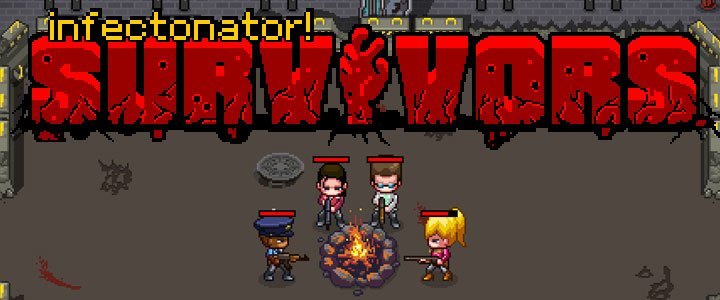
Toge Productions is one of the top game developers in Indonesia. The firm is the second Indonesian studio to get its game Greenlit on Steam, one of the most popular PC gaming distribution channels. To achieve the ‘Greenlit’ status means the game has passed a process where Steam users decide if the game is worthy to be sold on the Steam Store. Toge managed to do this on January 2014 with one of its recent hits, Infectonator: Survivors. Now Toge is taking it to Kickstarter.
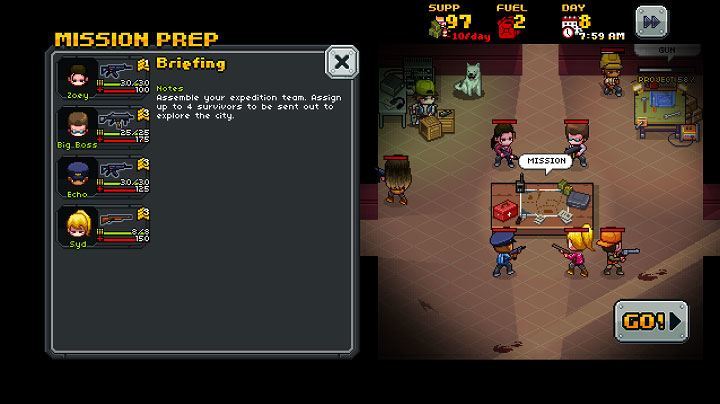
Infectonator: Survivors is a survival simulation game about a group of humans trying to survive in a world ridden with zombies. It’s a reverse scenario from Toge’s previous Infectonator games, which put the player in the role of the antagonist trying to spread a deadly zombie virus around the world. The game is currently available on Steam Early Access, a feature in Steam that allows developers to sell their unfinished games so long as they update the game periodically and keep in touch with the community.
See: Toge Productions – how to take over the world with zombies
Some people might ask, “Why would they bring a game that has already been released on one of the most popular gaming platforms to Kickstarter? To find the answer, I’ve asked Kris Antoni, CEO of Toge Productions, about his reasons for trying to crowdfund the game, but also about its future.
Building the zombie apocalypse, one update at a time
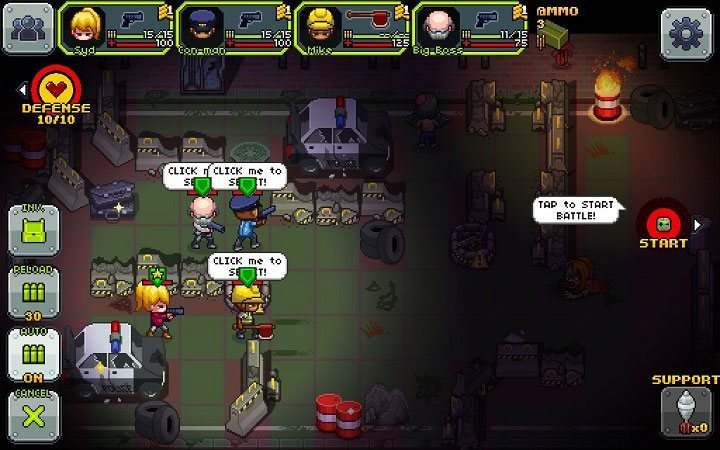
Kris and his team already worked on Infectonator: Survivors for more than two years. They made many iterations of the game and covered out-of-pocket cost themselves. Kris believes his game’s availability on Steam can be an upper hand for Toge to launch a Kickstarter campaign for the game.
“Most game studios take their games to Kickstarter first and launch them on Steam Greenlight later, forcing players to wait months, or even years, before they can try the game. Some funded Kickstarter projects got canceled before they could even see the light of day.
“We are taking a different approach. We created a working game first, got it Greenlit, listened to our fans, and proved that we are able to deliver what we promised. This way our backers know that we have a working game and don’t have to wait to get their hands on the game,” explains Kris.
Considering the high number of failed Kickstarter games in recent years, Kris’ arguments definitely make sense. At least this way, people who decide to back the game don’t need to be afraid they’ll never see a result.





Stay updated on the go with our mobile app.
Get latest insights with smoother, more personalized experience through TIA mobile app.