Paul Bischoff · · 10 min read
Thinking about crowdfunding your startup? Here’s what to expect.
Crowdfunding has become a common step in the life of hardware startups, and has forever changed how new inventions eventually make it to market. The trend is quickly growing into an entire industry, with businesses being built to supplement and improve the crowdfunding process. Production studios are tailored to make promotional videos for products that don’t exist yet. Consultants are sought on job boards who can help hold the hands of startups launching campaigns for the first time.
And while there are many guides out there for how to crowdfund a startup – including those from the crowdfunding sites themselves – Tech in Asia wanted to get a more on-the-ground perspective from Asian startups who’ve weathered the storm and came out victorious. We talked to Jess Perez, the head of marketing for Ehang, and Mariah Zhao, company spokesperson for Sleepace.
Both of the startups are based in Shenzhen, China, have active campaigns on Indiegogo as of press time, and have exceeded their crowdfunding goals. Ehang makes Ghost, a smartphone-controlled drone that claims to be the easiest to fly in the world. Sleepace makes Reston, a smart sleep tracker placed under the user’s bed sheets to quantify sleep patterns. You can find our articles on both startups here and here, respectively.
The goal for both companies wasn’t just to raise cash, but to test the grounds of the western market, build hype, get feedback, and gauge customer interest.
Let’s start with a brief walk through of the key steps before, during, and after a campaign, followed by a more detailed Q & A:
Crowdfunding 101: eight key steps
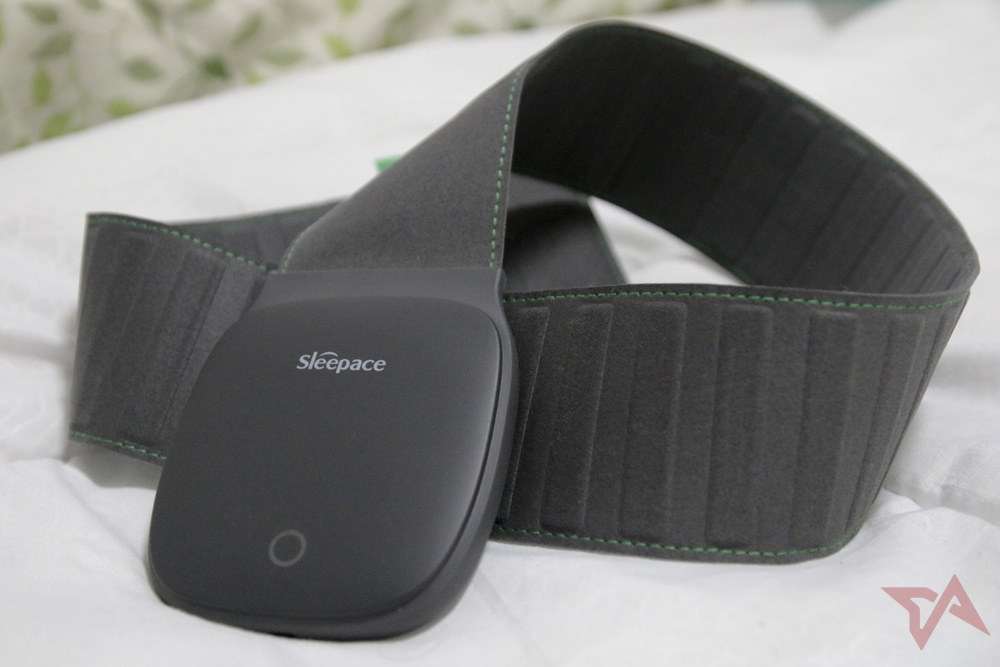
RestOn, by Sleepace
- Build your team. The three main aspects of a building and running a crowdfunding project are communication and storytelling, business strategy, and project management and execution. “This could be an all-in-one project in terms of personnel, but the division of labor should be clear even when you are splitting work for yourself,” Zhao says.
- Make a plan. Identify your objective, strategy, milestones, and budget. Give yourself a long prep time, and put a calendar together. “Do the math and figure out some projections to understand if your goals are realistic and know what it will take to reach them,” Perez says.
- Tap your resources. Once the core team knows what it has set out to do, it’s time to look into video studios, PR personnel, business consultants, visual designers, and photographers. “Pros are great, but if you can’t afford them, find the best help in your existing social network,” Zhao says, also noting that now is when you should start reaching out to the crowdfunding site and start asking questions.
- Design your page. This will vary depending on what your product is, but Zhao says to bear the result in mind. “Make sure you know exactly what you want the campaign page look like from the very beginning. Benchmark your own page against the most successful campaigns, and seek other’s opinions all the time.”
- Double check everything. Is your homepage ready for the extra traffic? Does the customer service email address work? How about the payment method? Are production and delivery timetables running on schedule? These details need to be set in stone before a potential contributor even looks at your project.
- Monitor the campaign and make adjustments. Now that the campaign has launched, Zhao says the two most important metrics are pageviews and conversion rate. Pay close attention to the source of pageviews – social media, ads, press coverage, etc. Adjust the promotion strategy swiftly based on those results. As for conversion rate, there’s no golden number to aim for because every project is different. But if it’s lower than expected, “don’t be afraid to change the way your campaign story is told and make it more compelling.”
- Follow up. Logistics are hard, and delivering on time will affect the public’s perception of both the product and your company. Also follow up with media and customer feedback. Gain as many insights as you can to help point your company in the right direction.
- Celebrate! As mentioned before, it’s not just about raising money. Zhao says, “Funding goal reached or not, the experience is always worth celebrating!”
See: Play to the crowd: how crowdfunding changed the status quo among China’s hardware startups
Q & A

Ghost Drone, by Ehang
What resources do you recommend to help startups get their campaigns off the ground? e.g. for making videos, raising awareness, etc.
Perez: Things like video depend on your budget. A video is incredibly important. However, if you look at Pebble, they raised all that money with a very homemade version. It was true and authentic, which helped. That said, there are plenty of video production companies and filmmakers who can work with different budgets. It is also important to develop relationships with the press, influencers, and online publications.
Zhao: The startup community and their existing social network are always the best resources. There is no quick trick here. Just don’t be afraid to reach out. If you see something you like, ask around who helped make it. Sleepace found its video producer this way. Our campaign strategies and productions were handled by friends back in college, who are experienced business and communication professionals.





Stay updated on the go with our mobile app.
Get latest insights with smoother, more personalized experience through TIA mobile app.