Paul Bischoff · · 5 min read
Quantified sleep: a new gadget from China wants to get in bed with you
If someone wants to lose weight, they probably wouldn’t do so – or at least do so as effectively – without a scale to measure their progress. But when it comes to getting more and better quality sleep, most of us just wing it. We go to bed earlier and set our alarms for later, but we’ve no means of objectively measuring how effective those habits really are.
The US Center for Disease Control and Prevention calls insufficient sleep a public health epidemic. Sleep is a vital component to human health, so how can we be more scientific about how we approach it?
The smart wearables movement has tackled this problem to some extent. Fitness bands like the Fitbit Flex, Jawbone UP, and Xiaomi Mi Band all track sleep cycles. These are helpful, but most only really track movement to determine whether you’re awake, sleeping lightly, or in a deep sleep. Furthermore, the discomfort of wearing a wristband to bed might even inhibit sleep for some people.
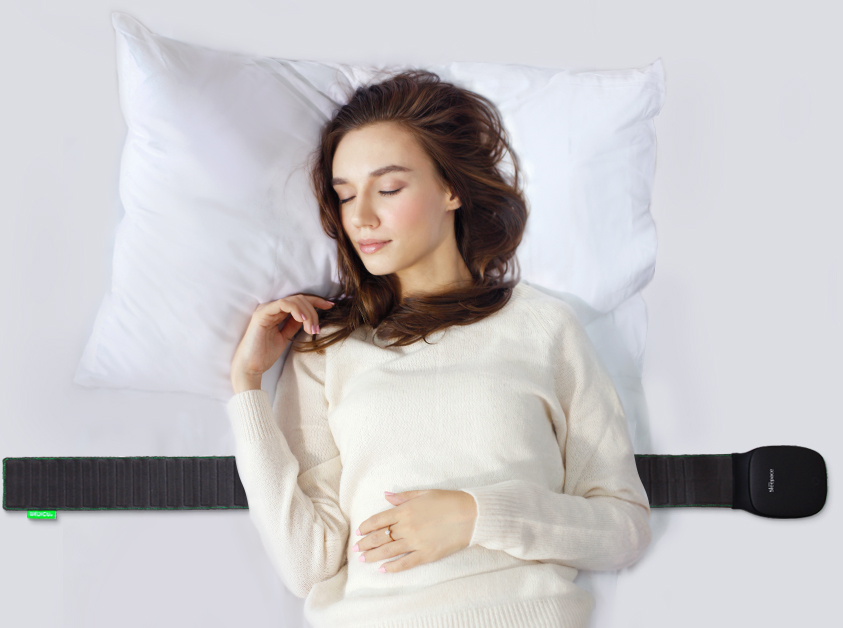
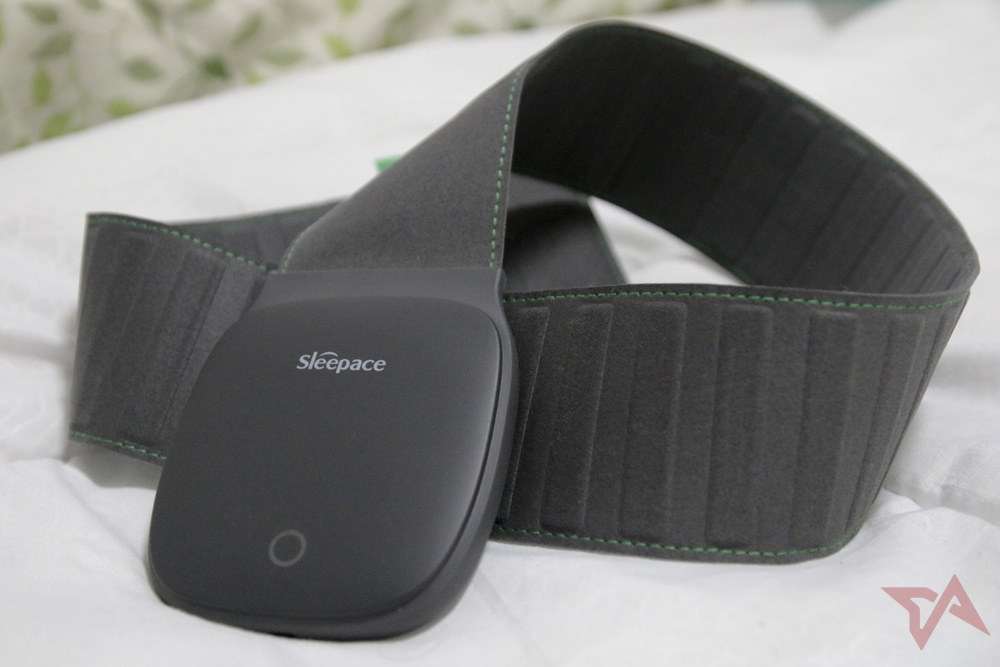
This is why Shenzhen-based startup Sleepace created RestOn, a sleep tracker placed under the user’s bed sheets to better quantify his or her sleep patterns. Vaguely resembling a safety belt on a commercial jet, it stretches horizontally across the bed roughly where the user’s chest lies. From there, it tracks heart rate, breathing, and movement.
Those familiar with popular crowdfunding campaigns might notice RestOn’s strong similarities to Beddit, a Finnish invention that raised over US$500,000 on Indiegogo. But Sleepace spokesperson Mariah Zhao argues Sleepace isn’t just another Chinese copycat. “People tend to ignore the innovation in software and user experience,” she says. “Innovation should come from how to adapt to people’s lifestyles.”
Sleepace’s previous devices use much of the same technology and actually predate Beddit. The first is a sleep monitor for infants that ultimately failed in the market. Next was a vitals-tracking pillow for the elderly that’s still being sold.
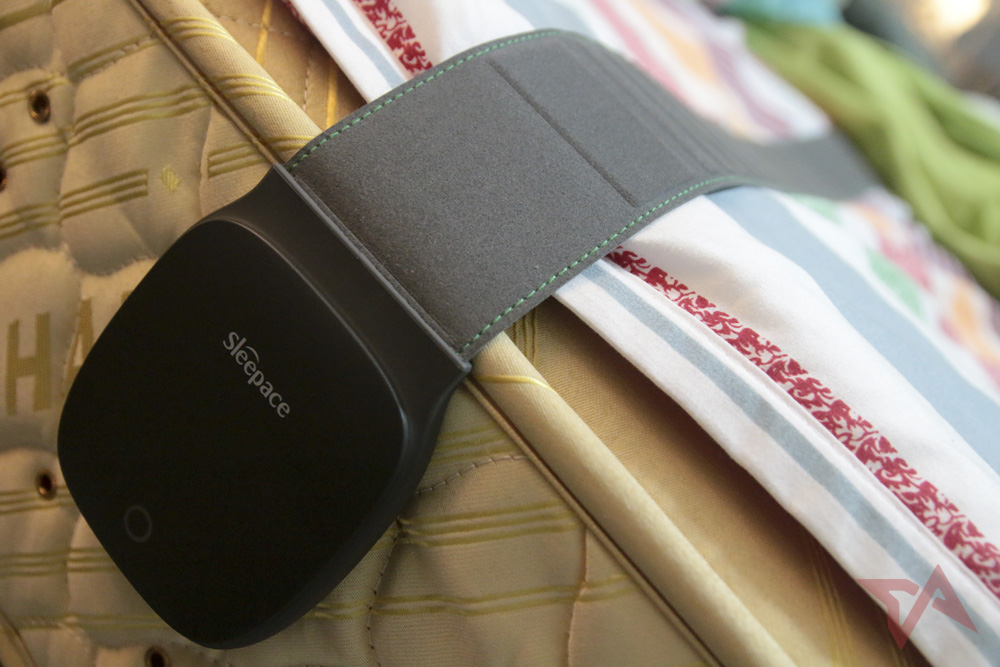
The startup argues its technology and user experience improve upon Beddit in a number of ways. First off, its battery lasts up to 30 days whereas Beddit needs to be plugged in all the time. Also, Beddit uses a sticky film that adheres to the user’s mattress, which makes switching beds or cleaning the mattress a headache. RestOn’s belt lies flat on the bed, held in place by a magnetic clamp that hangs off the edge. The device is placed under the sheet while the magnetic panel clasps to the outside. The orientation of that panel also activates RestOn. It’s a bit hard to put into words, so here’s a GIF:
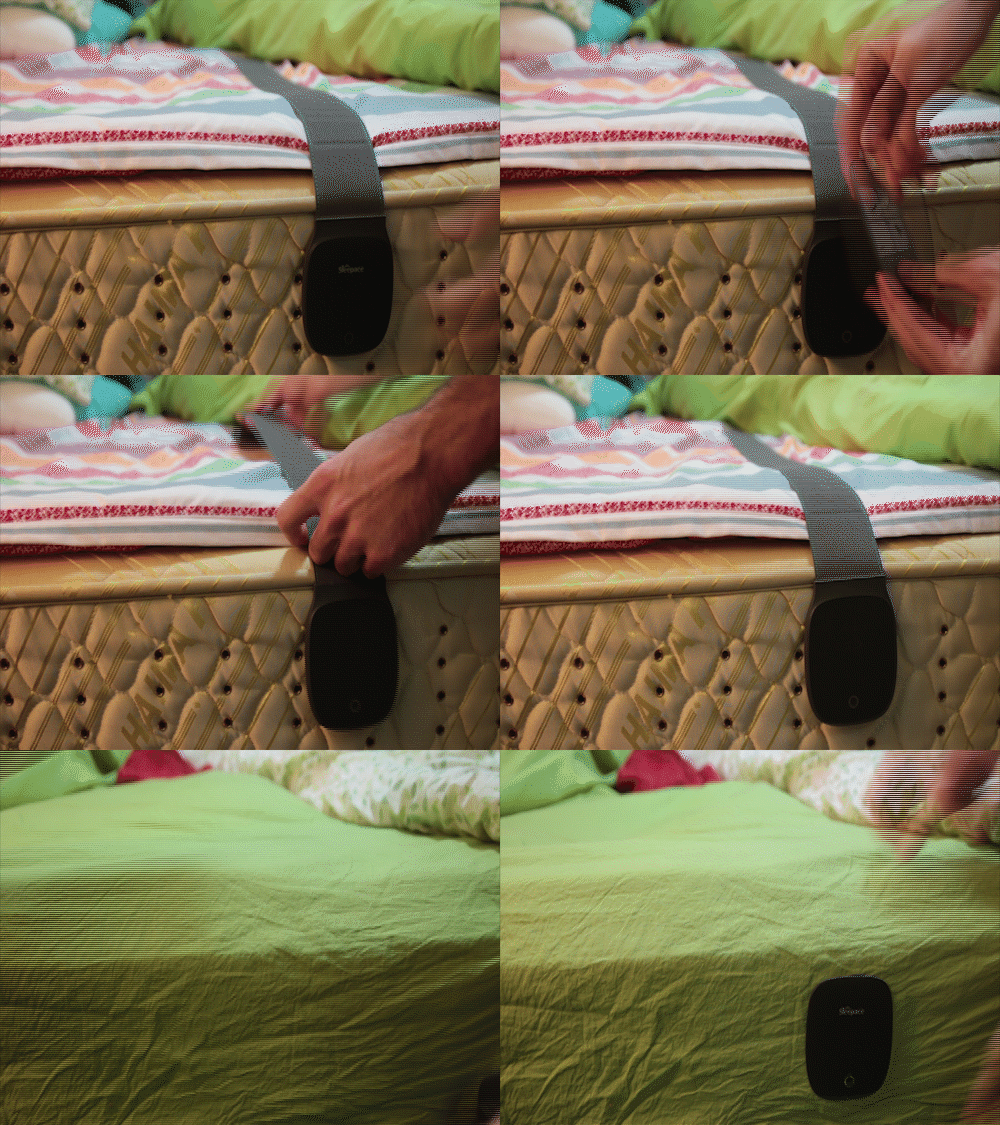
It’s a slick design that works well. I’ve tested the RestOn for just over a week now and have had no problems with it shifting or causing discomfort during sleep. Oh, and if you share a bed with someone, RestOn is only long enough to stretch across one partner’s side of the matress.





Stay updated on the go with our mobile app.
Get latest insights with smoother, more personalized experience through TIA mobile app.