Steven Millward · · 3 min read
Pakistan startup Flashcall ready to mobilize the power of the missed call phenomenon
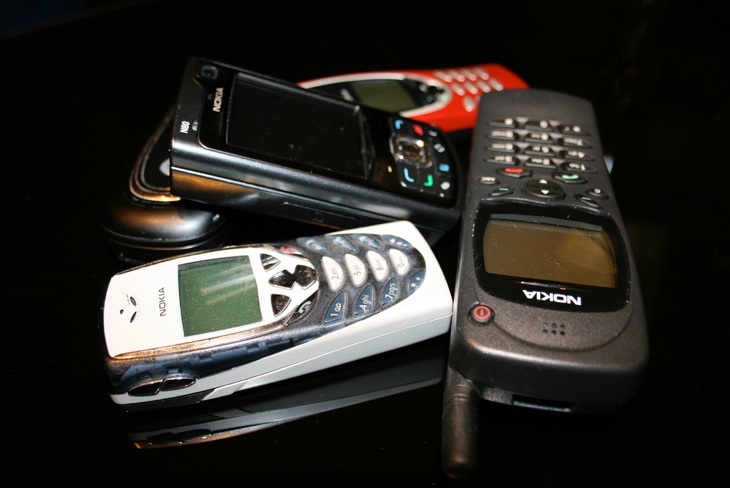
Deliberate missed calls are a curious phenomenon particular to several developing nations in Asia as well as across Africa. Where mobile phone connectivity is pricey or unreliable, friends or family members often give each other a short call, which the receiver won’t pick up, to signal something – perhaps a pre-agreed signal for something like I’ve arrived home safely. It’s something that many companies have picked up on too.
In India, a startup called ZipDial saw the potential in missed calls for businesses and grew its marketing platform around these gestural pings. It provides brands with a toll-free number that allows them to communicate with customers via missed calls, sending back SMS to people containing more information. Now a new startup in Pakistan called Flashcall is aiming to do the same thing in its home nation of 130 million mobile subscribers.
Flashcall CEO Jawwad Jafri explains to Tech in Asia that the missed call service started a few months ago with small-scale and very localized beta projects:
We have done the beta launch in small environments like classrooms to use Flashcall as an instant feedback mechanism and subscription service. Our first beta project was live voting and update subscription for Startup Weekend [Islamabad] in April.
See: Asia is the world leader in SMS innovation: here are 8 great examples
From marketing to personal banking
Now the team is busy chasing up on leads from companies who want to try this out on a much larger scale. While Jafri can’t name any brands at this stage, he says that Flashcall will soon be put to a number of uses, such as by TV channels to get viewers to rate their shows. Other possible uses include by ecommerce sites for marketing discounts or cash-on-delivery verification, or by banks for a wide array of requested options such as bank account details or payments due. The most obvious case is its usage for simple marketing – people call a brand’s specific toll-free number related to a certain product, and consumers get an SMS with more information about that product in return. It’s rather like the way QR codes or Twitter/Facebook pages are used in many developed nations, but this stripped-down solution works better for countries where people still struggle to get online on their basic phones.
The recent success – or sheer hype – of Yo messaging app prompted Marc Andreessen to compare Yo and missed calls as fascinating and very useful forms of “one-bit communication”:
5/Missed call on mobile phone is used as one-bit comm: "Used in South Asia/Philippines/Africa to communicate pre-agreed messages for free."
— Marc Andreessen (@pmarca) June 19, 2014





Stay updated on the go with our mobile app.
Get latest insights with smoother, more personalized experience through TIA mobile app.