Photo credit: Getty Images.
Ryan is a star contributor for Tech in Asia and publishes high-value content that serves the Asian tech community. Read more from star contributors here.
The iPhone X was announced last month—the latest, greatest, and priciest smartphone in the Apple family (and yes, I’ll probably break down and get one). It boasts, among other things, an edge-to-edge screen, wireless charging, and slightly creepy Face ID sensors, which recognize your face to unlock the phone.
Lost in the headlines was another interesting piece of news from a very different corner of the tech universe: Nintendo released a limited mini edition of its vintage Super Nintendo Entertainment System. Popular way back in the 1990s, the video game console sold out as soon as it hit the shelves. When the company released a retro version of its original Nintendo system last year, nostalgic fans literally lined up to grab them.
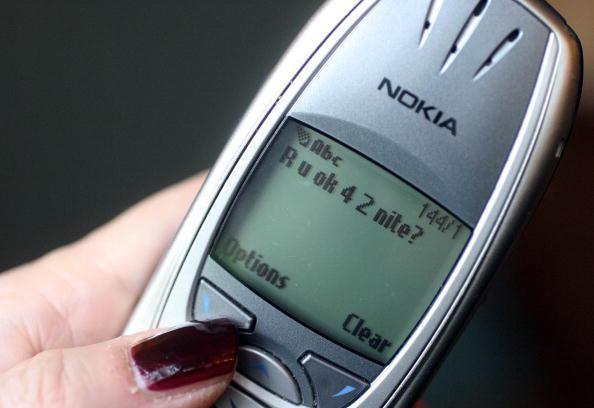
I don’t think these two stories are unrelated. In fact, I think they’re intimately connected. There’s an enormous wave of tech nostalgia at the moment. We see it in the hunger for retro gadgets (from Nintendos to the reborn US$65 Nokia 3310), TV series, movies featuring old-school tech (Halt and Catch Fire, Stranger Things, Ready Player One, etc.), and even in the vintage user interface on newer devices like Blackberry’s KEYone.
I think there’s more to this than simple sentimentality. In an age when smart devices are outsmarting the best of us, there’s a real hunger for machines that do what they say and nothing more.
When tech was less intrusive
Intrusive pieces of tech—those that gather more information than we bargain for—are everywhere these days. Amazon Echo and Google Home, for all their usefulness at turning on lights and shuffling music, are already embroiled in controversies about how much they listen and record. Plenty of apps on our phones, of course, continuously track and map our movement via GPS. Wearables might be handy for fitness, but they’re also recording our intimate health data—from calories burned to heart rate. And it goes without saying that most every keystroke, tap, or mouse click we make on the internet is tracked and scrutinized. By now, no one bats an eyelash when Amazon ads chase them around the web for weeks.
I’m not a Luddite. I know that this kind of data gathering lets us create increasingly sophisticated technology that can do amazing things. But sometimes, it’s all just a little overwhelming. Every time we use a device or even unlock our phones, we’re being watched and analyzed.
And that’s when tech nostalgia sets in. As far as I know, no Nintendo ever tried to secretly map out my bedroom. No one at Nintendo HQ was keeping an eye on how many times I saved the princess or how many jabs I took to punch out Mike Tyson. You paid for your game and had fun without signing away your privacy or having to agree to a 20-page terms of service agreement. It’s not hard to understand why that’s comforting on some level.
Keep it simple
But there’s another good reason for tech nostalgia: ease of use. And smartphones are a perfect example of this. Arguably since the iPhone came out a decade ago, cell phones haven’t truly evolved. Whether we’re talking about the first-generation iPhone or the iPhone X, you’ve still got a flat rectangle of glass and metal with a touchscreen that connects to the internet, takes pictures, places calls and texts, and supports apps.
Yes, the cameras are far better now, processing power has surged exponentially, all kinds of new sensors have been added, and the app universe is virtually limitless. But it’s not like we’re talking about the difference between a flip phone and a candy-bar style phone.
In the absence of revolutionary new technology, manufacturers have piled on endless bells and whistles to ensure that users trade out their phones every few years. Some are nice, some are pointless, and some actually make our phones less usable:
- The iTunes app used to be intuitive. Now, it’s this many-headed monster that really wants me to subscribe to Apple Music.
- I used to be able to plug in any old headphones. Now, I need to use the official Lightning EarPods or buy and link a Bluetooth pair (another device to keep track of and another battery to charge).
Lessons for companies





Stay updated on the go with our mobile app.
Get latest insights with smoother, more personalized experience through TIA mobile app.