- Insights This article was written by a TIA community member. Insights pieces undergo the same rigorous editorial process that newsroom-produced articles have.
 Jay Kim · · 8 min read
Entrepreneur, best-selling author weighs in on entrepreneurship and Asian parents
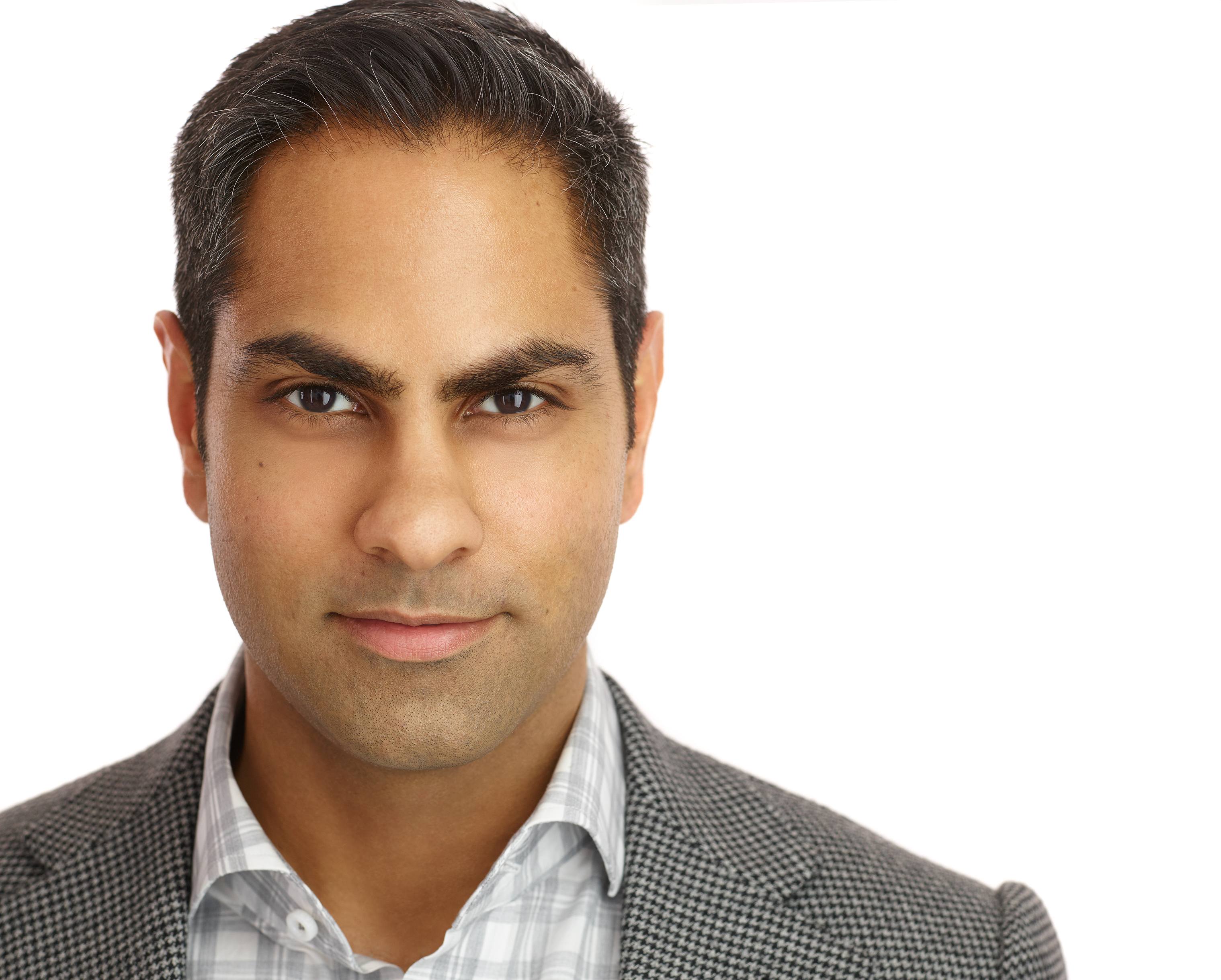
This article is part of Tech in Asia’s partnership with The Jay Kim Show where we publish the revised transcripts from the show’s podcast interviews with top entrepreneurs. This is heavily revised from the original show transcripts. For the full interview, go here.
Ramit Sethi is one of the world-class performers that Tim Ferris recently profiled in his new book Tools of Titans. Ramit himself is a New York Times best-selling author of a book called I Will Teach You To Be Rich, which is also the name of his company and website where he teaches online courses on how to make money. Ramit is very interesting because he goes deep into the psychology of consumer behavior—deeper than anyone I’ve ever met before.
Let’s jump right in. I think you’re going to get a lot of value out of this.
Can you give us an introduction on how you became such a successful entrepreneur?
“[I] started off writing about personal finance when I was in college. I was studying technology and psychology at Stanford and I noticed that a bunch of my friends would complain about overdraft fees […] I also had taken some of my college scholarship money and invested it in the stock market with very bad results. I started learning about money, learning about psychology, and I ended up trying to teach people informally at Stanford.
“I started a blog, [which] ended up doing pretty well. And I wrote a book, which became an instant New York Times bestseller, and since then have grown the business to over a million readers a month.”
How was the experience with your parents and how supportive were they of your entrepreneurial desires?
“First of all, my parents were, I guess you could say they’re pretty liberal as Indian parents go, but they’re still Indian parents. Liberal, as Indian parents go, is like 10 times more conservative than an American parent.
“There’s a couple of things they told me that I think were unusual. When I was a kid, my parents used to tell us—if we had some idea—‘Why don’t you just write that up? Why don’t you just write that up and send it to the newspaper?’ I don’t really know where they came up with that because they’re not writers, but they just encouraged us to try to share our ideas. That, I think, was unusual.
“The other thing they did, which was pretty typical I think of Indians and Asian people, is they took us to the library every weekend. Basically all Saturdays we were in the library […] We’d check out 20, 25 books a week and just blaze through those. I think there’s a lot of value in learning a love of reading, like a true love.
“My dad is an engineer. No surprise, he wanted me to be an engineer. I don’t really have the mind for it. […] By the time I got to Stanford I had already had a number of jobs, I’d gotten into a pretty good school, [and] I was getting good grades. That earned me the right to be a little bit more flexible. I think that’s an important point. You sometimes have kids who want to rebel or they want to try something totally different. That’s okay, but you earn the right to do that. If you’re sitting around getting Cs and you tell mom and dad, ‘I want to be a guitar player,’ mom and dad should slap you in the face. You haven’t earned the right to do it.
“I get a lot of Indian and Asian people writing me about their parents, and they’re concerned about that one conversation: ‘What should I say to mom and dad?’ Really what matters is what have you done for the months and years before? Have you proven that you can be disciplined in your schoolwork, in your job, or in saving money? Have you proven that you’re responsible, that you have good values, that you visit your family? If you’ve done all those things, the conversation itself is largely immaterial. But what that really means is you need to have done the work before you go in for that conversation.”
Are we at that peak of online business? Do we have to be scared about a shift? What do you think is going on?
“First of all, I welcome more and more entrepreneurs—online and offline. I think it’s an amazing opportunity. For the first time in our lives, we don’t have to wait for gatekeepers. We don’t have to wait for the Today Show to call us or some New York book publisher. We can go straight to the market and we can create amazing material. I think that’s incredible.
“At the same time, I have watched many, many people become engulfed in this very materialistic world of creating low-value courses that are ‘me too’ copycats and basically promising the world. Although they wouldn’t admit it, they are effectively promoting the idea of ‘get rich quick.’ […] I have zero tolerance for it.
“I believe that in a world of infinite noise, quality always wins. I can tell you this from my own shopping behavior. […] I can tell you that when I am ready to purchase something, it could be a leather jacket, an iron—because I love to iron my clothes—whatever it may be, I’m willing to pay for it […] In other words, if I want an iron, I want the best iron. I don’t care what it costs.
How has the term ‘rich’ changed from personal finance and just getting rich to the broader scope?
Let’s say I’m working at a job I don’t like and I want to do something else, but my Asian parents are frightful. What’s the first thing I should do?
What is your final piece of advice for any young aspiring entrepreneur?





Stay updated on the go with our mobile app.
Get latest insights with smoother, more personalized experience through TIA mobile app.