Peter Rothenberg · · 4 min read
Silicon Valley’s no longer the biggest game in startup town, these investors say

Tim Romero of Disrupting Japan. Photo credit: SunBridge Global Ventures.
Tech has stolen the market cap crown from the oil tycoons. This change is perfectly natural according to a panel of regional experts last month at Innovation Weekend in Tokyo, but the Silicon Valley kingdom is also teetering on being overthrown.
“The day of America as the single IT leader is over,” writes founding partner Takeshi Ebihara of Rebright Partners on his blog. Citing PricewaterhouseCoopers’ MoneyTree report, Takeshi emphasizes that the amount of funding for startups in China grew eightfold in just two years to US$37 billion in 2015.
That’s less than US$59 billion in the same period for the US. But Takeshi believes the US$37 billion pumped into Chinese startups in the first half of 2016 alone, as shown by the Tech in Asia Database, shows China is now on par with Silicon Valley.
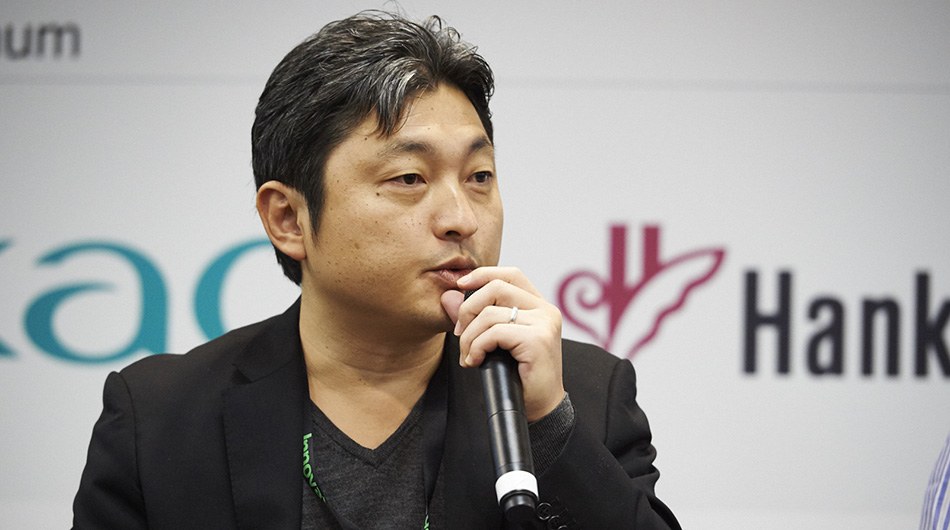
Takeshi Ebihara of Rebright Partners. Photo credit: SunBridge Global Ventures.
The panelists agree it’s not just funding. Unicorn distribution and the amount of money spent on research and development are also shifting to Asia. “China is probably going to be the biggest winner the human race has ever seen,” explains Keith Teare, co-founder of TechCrunch and partner at Archimedes Labs.
Serial entrepreneur and host of Disrupting Japan Tim Romero pushed back on that and stressed that market capitalization and valuations are poor measures of innovation. While Tim praises the research being done in life sciences and fields like autonomous driving in China, he feels Silicon Valley is still unrivaled as the birthplace of truly innovative business models.
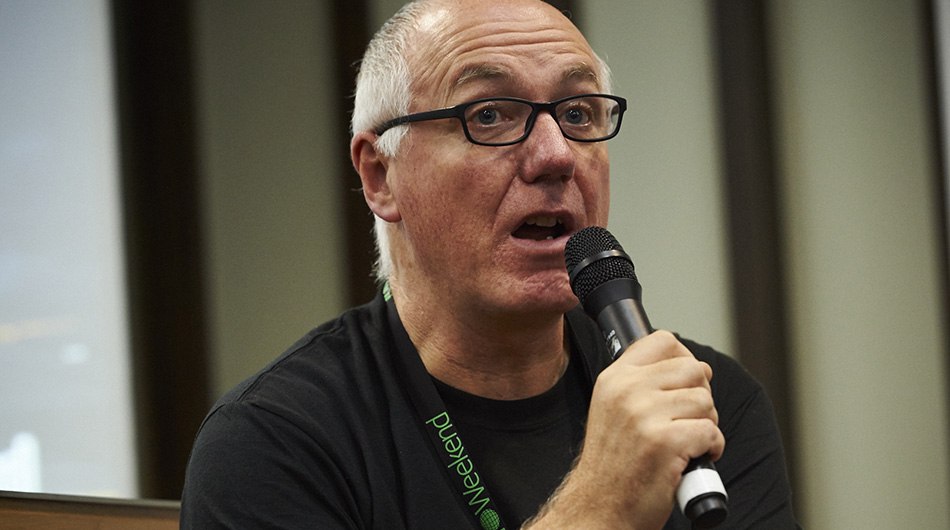
Co-founder of TechCrunch and partner at Archimedes Labs Keith Teare. Photo credit: SunBridge Global Ventures.
Keith admits the Bay Area is no longer exceptional, but it is incredible that it still produces 40 percent of the world’s unicorns. The good news for founders is that success is no longer limited to geography. Takeshi, for example, is excited for the future of India’s tech scene as well. He points out that the yearly economic growth rate in India is 7.9 percent, even faster than China’s 6.7 percent. “India will grow so much that you could even say it’s fine to ignore other places,” he laughs.
Progress
Many are quick to pin the economic boom in Asia to a simple increase in people, but Tim downplays the effect of population on the economy. “It’s entirely a function of change and the opportunities for startups to jump in.”
Founding partner of Golden Gate Ventures Jeffrey Paine has seen these opportunities grow first hand. He recounted a recent trip to China where he spoke with founders about how entrepreneurs and the middle class no longer have to work multiple jobs and finally have personal leisure time.

Kickstarting Japan





Stay updated on the go with our mobile app.
Get latest insights with smoother, more personalized experience through TIA mobile app.