Nikita Peer · · 8 min read
Startups innovate to make payments faster. But e-wallets face Ashley-Madison-like threats
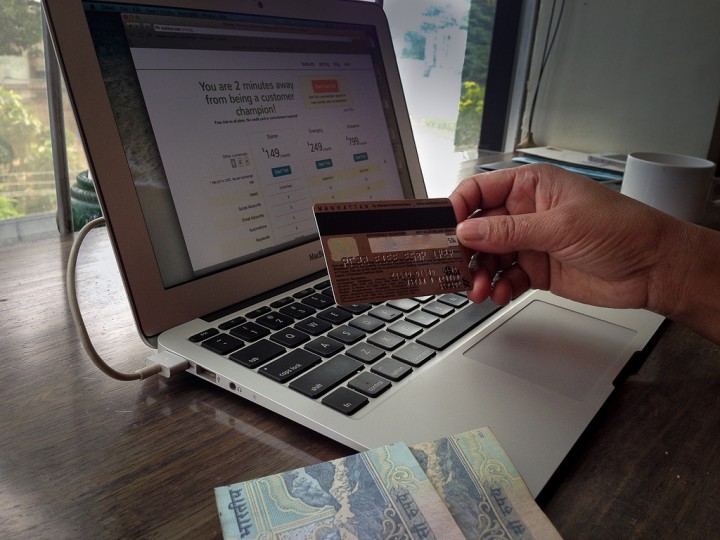
Citrus Pay, a Mumbai-based mobile e-wallet, has partnered with local movie theaters to let users order popcorn and other snacks, then pay for them with one touch. It has also developed a prepaid feature that lets users pay for a cab automatically – as soon as the ride is over, the fare gets deducted.
PayUMoney, another Indian startup, has designed a custom browser that reads a bank’s SMS one-time-password (OTP) code. Now, users don’t have to minimize their web browser, read the OTP, and type it in the browser again just to complete an online banking transaction.
There are many zero-click and fewer-click cashless payment systems built by Indian startups. “Time is of utmost importance in today’s fast-paced world,” says Citrus Pay managing director Amrish Rau, who was previously the CEO of electronic payment giant First Data. “We are trying to solve the consumer’s need and preference for faster ways to make payments in a secure manner.”
Payment using social media channels is another prime example of what Indian startups are doing differently. ICICI Bank, for example, lets users tweet to transact. To transfer INR 1,000 (US$15) to Ram from your bank account number 00000123456, you can send a direct message to the bank in this format: #Pay @ram123456 1000. Then, you will receive an SMS from a registered mobile number with a four-digit pass code. Ram will get a tweet from the bank with a link to a page for verifying his Twitter account and providing information like a name, account number, IFSC code, and the SMS passcode he received to complete the transaction.
However, experts say social media payments will take a long time before they take off. In fact, the entire digital payment system still needs to evolve in India. People in India withdraw around INR 2 trillion (US$30 billion) every month from ATMs. In contrast, card purchases amount to INR 300 billion (US$4.5 billion) per month. This indicates most people in the country prefer paying with cash as it’s convenient and familiar to most people – and that’s the case even for ecommerce purchases.
“Cash dominates the bulk of the transactions for purchases and remittances. The usage of alternate payment modes is slowly picking up,” explains Vivek Belgavi, partner and leader of financial services technology consulting firm PwC India. “The alternate payment modes are a step in the right direction and will take time to be adopted by the various customer segments. The immediate objective would probably be less cash rather than cashless.”
See: Paying in cash is so yesterday. Ezetap bags $23M to help mom-and-pop stores accept cards
Buy online, pay online
Indian startups have built payment solutions for businesses in the hopes of getting people to stop using India’s most popular ecommerce payment option: cash-on-delivery (COD). Cash is used even for ecommerce because most Indian customers don’t feel comfortable making online transactions, according to Amrish. Many local consumers think their money may just vanish into thin air, while others think their products won’t get delivered in the end.
Only three percent of personal consumption expenditure in India is through credit and debit cards. And about 10 per cent of billing is processed through electronic channels. Certainly, there is a large gap to traverse.
“Cash-on-delivery currently comprises about 65 percent of ecommerce transactions,” Vivek points out.
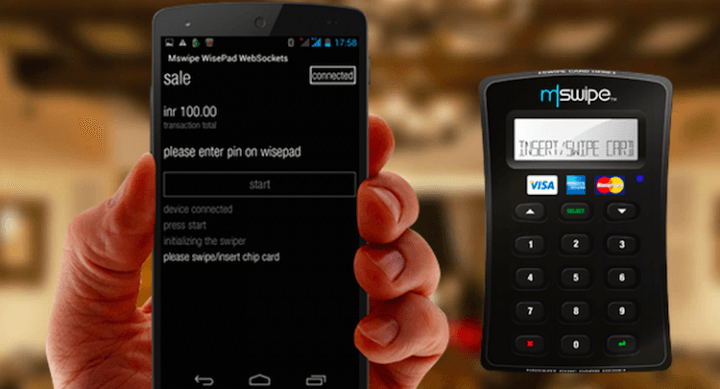
MSwipe card reader
The effective cost of COD comes to around 8 to 9 percent because of its returns, according to PayUMoney co-founder Nitin Gupta. With mobile point of sale startups like ePaisa, MSwipe, and Ezetap, Indian ecommerce stores can also accept card payments at the doorstep. But few customers pay using cards, experts say.
Less money in the ol’ digital wallet
Opportunity for carriers
Provide better service, security





Stay updated on the go with our mobile app.
Get latest insights with smoother, more personalized experience through TIA mobile app.