
Welcome to The Offset! Delivered once a month via email and through the Tech in Asia website, this free newsletter breaks down the biggest stories and trends in greentech. Get it in your email inbox by registering here.
Hello,
Lately, I’ve noticed how the air feels heavier in cities, especially after long days. It makes me wish for a little more green from trees and nature, a little less gray from buildings and human activity. Maybe I’m just being nostalgic, but it’s a sign of how much Southeast Asia has changed.
The region’s growth story has not been without trade-offs. But the mood has shifted: People still want to build but they want to do it better, as progress doesn’t have to happen at the planet’s expense.
Reading this month’s Deep Read made me feel strangely optimistic. Amid the usual buzz about funding rounds and market share, ambition seems to be taking a new form – one rooted in sustainability, not just speed.
It’s the kind of innovation worth getting excited about.
— Jofie
DEEP READ
Southeast Asia’s green tech gold rush: Startups at the heart of climate action
After the ecommerce boom and fintech wave, Southeast Asia is now in a new era: green ambition.
With governments pledging net-zero targets, investors establishing climate-focused funds, and consumers seeking low-carbon solutions, the region is in a race toward sustainability – one that could define the next decade.
Startups like Singapore’s SunGreenH2, Indonesia’s Xurya, and Thailand’s Banpu Next illustrate how Southeast Asia’s existing digital infrastructure is fueling climate innovation. From green hydrogen to solar power and electric mobility, these companies are proving that the region can compete on the global greentech stage.
But scaling this shift won’t be easy. Not only is green innovation capital-intensive and deeply tied to public policy, but monetization usually takes more time compared to consumer ventures.
But this could also be the region’s strength. Unlike the previous cycles propelled by hypergrowth and subsidies, climate tech targets fundamental needs such as energy security, food resilience, and carbon accountability. A long-term view may be what the sector needs to thrive in Southeast Asia.
THE BIG STORY
Can SG run on virtual power plants? This startup thinks so
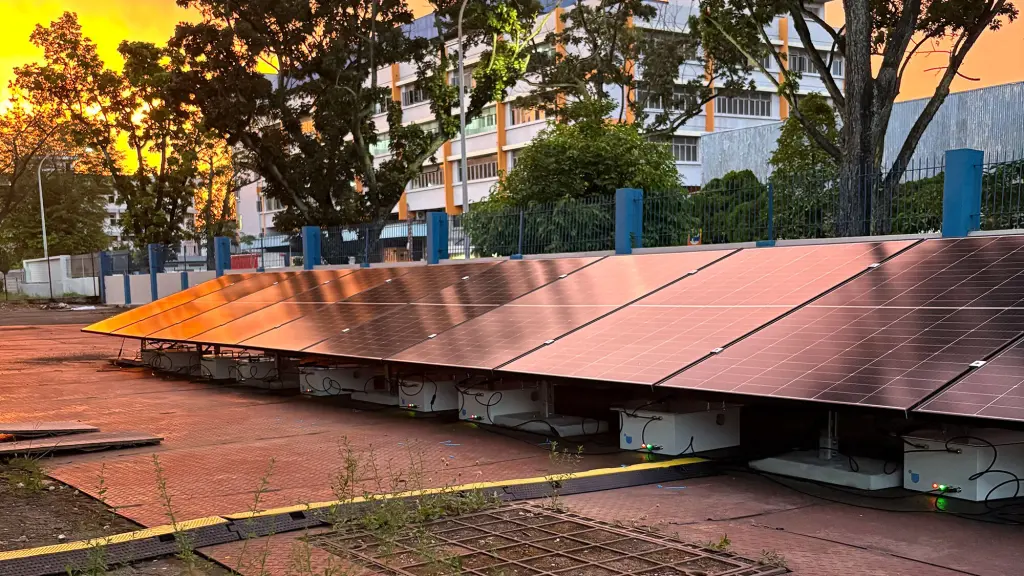
Blue Whale Energy installs sodium-ion batteries to be recharged from clients’ existing rooftop solar panels, as pictured above. / Image credit: Blue Whale Energy
After selling his AI startup Saleswhale, Gabriel Lim is betting on energy.
His new venture, Blue Whale Energy, is building Singapore’s first battery-based virtual power plant (VPP). The system connects sodium-ion batteries across commercial buildings to store and release energy to the grid.
Backed by Forge Ventures and Monk’s Hill, Blue Whale installs batteries for free and earns from revenue shared with clients, who can make up to US$278,000 a year from integrating with the startup’s VPP system.
This is all part of Singapore’s VPP Regulatory Sandbox, which is testing how decentralized clean energy can complement a grid still reliant on gas.
TRENDING NEWS
Also check out Tech in Asia’s coverage of Asia’s greentech scene here.
1️⃣ Tesla expands Middle East presence, launches Cybertruck in Qatar
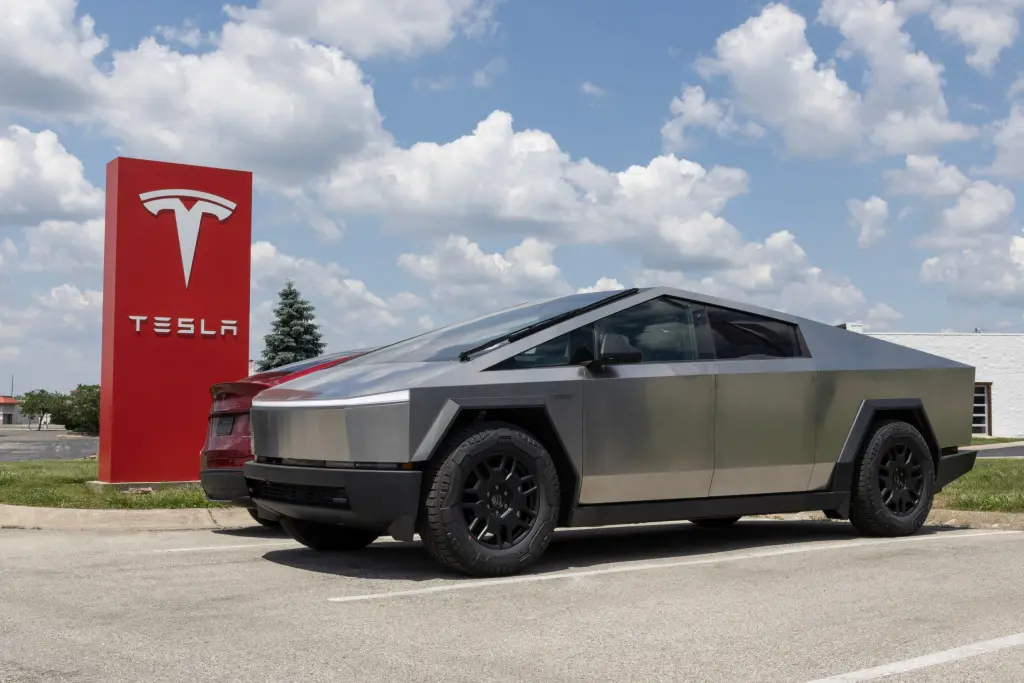
Photo credit: Shutterstock
This follows the EV maker’s launch in Saudi Arabia earlier this year, where it also began selling the Cybertruck as well as a refreshed Model Y.
Why it matters:
The rollout signals Tesla’s deeper push into the fast-growing EV market in the Middle East, where nations are racing to electrify transport and rivals like BYD and Lucid are ramping up competition.
2️⃣ China builds 252-meter diameter giant floating wind turbine
The country has reportedly finished assembling the world’s largest single-unit floating offshore wind power system in Beihai, Guangxi.
Why it matters:
This highlights China’s rapid progress in harnessing offshore wind power, strengthening its lead in next-generation clean energy and deep-sea power development.
3️⃣ Nvidia ranks last in supply chain decarbonization: Greenpeace report

Photo credit: Shutterstock
Chipmakers Nvidia and Broadcom had the weakest supply chain climate commitments, with neither company setting targets for renewable energy use or net-zero emissions, according to Greenpeace.
Why it matters:
The findings highlight a major blind spot in the AI boom. While Nvidia and Broadcom lead in chip innovation, they lag far behind their peers in tackling supply chain emissions – a growing concern as AI’s energy footprint surges.
4️⃣ EV battery race intensifies among Japanese automakers
Japan-based Suzuki Motor plans to use a lithium iron phosphate (LFP) battery – commonly used by Chinese EV makers like BYD – for its eVitara SUV launching in January.
Why it matters:
Japanese automakers are turning to new battery chemistries like LFP to cut costs and stay competitive with Chinese EV giants, signaling a shift toward safer, more affordable EVs even at the expense of range.
5️⃣ BlackRock-owned Vena to invest $14b in AI, renewable projects
The company has submitted a letter of intent outlining projects that include solar and wind facilities, battery energy storage systems, and an AI data center in South Korea powered by renewable energy.
Why it matters:
The planned investment indicates growing momentum in South Korea’s clean energy transition, as global capital increasingly ties AI development to renewable power expansion.
STARTUP WATCH
1️⃣ Indian renewable provider Clean Max plans $586m IPO in November
The company reported a net income of US$2.2 million on revenue of US$181.4 million for the year ended March 31. The IPO will include up to US$169 million in new shares.
2️⃣ SG-India green hydrogen firm Hydgen nets $5m pre-series A
Hydgen has launched pilot projects for hydrogen generation in Southeast Asia and India. It will use the funds to expand into other markets such as Japan, Europe, and the Middle East.
3️⃣ Ola Electric debuts new home battery storage system
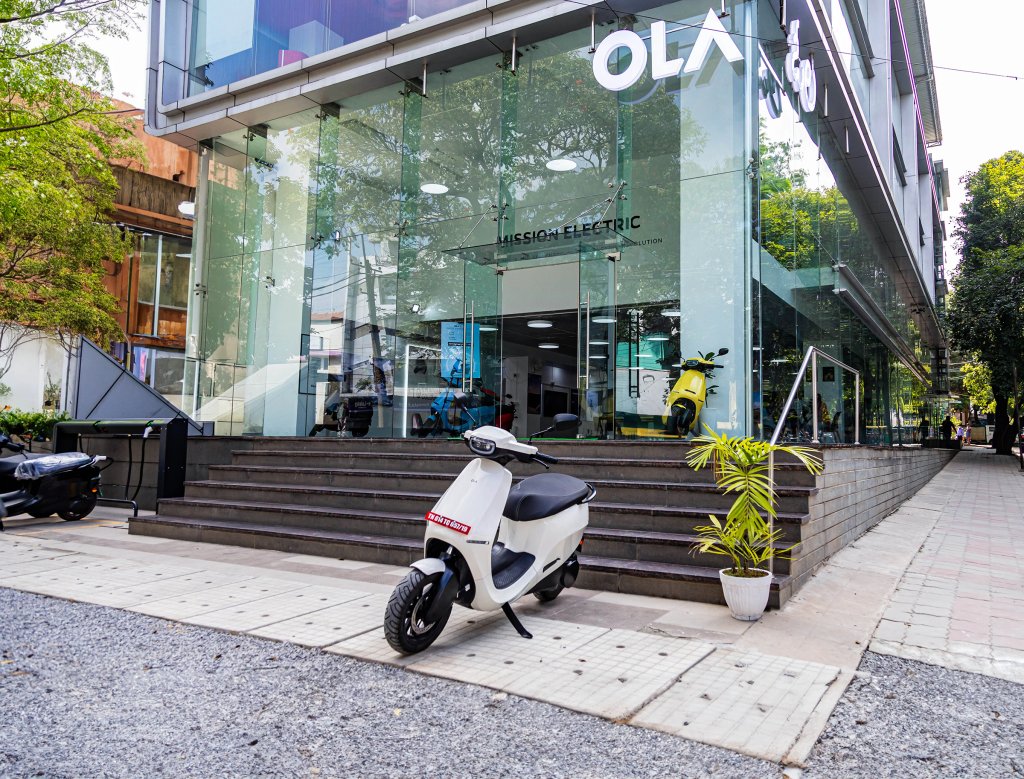
Ola Electric’s experience center / Photo credit: Ola
The new products include three models with capacities of 9.1 kilowatt-hours (kWh), 5.2 kWh, and 1.5 kWh. These batteries offer backup power for up to 1.5 hours at full load.
4️⃣ SG-based construction sourcing startup nets $700k pre-seed funding
Valtor Solutions integrates supplier sourcing, logistics, and design advisory into a single service. It plans to launch an AI-powered bill of quantities platform to speed up quote generation and track carbon output.
5️⃣ Australian startup Uluu raises $13.5m to scale eco-friendly plastics
Uluu produces natural polymers from seaweed via fermentation. The company looks to scale production from its current 100-kilograms-per-year pilot to a 10-tonnes-a-year facility in Western Australia.
That’s it for this edition – we hope you liked it! Do subscribe to continue receiving The Offset.
See you next month!
The Offset is made possible thanks to Taiwan Mobile.
The company recognized by TIME as one of the “world’s most sustainable companies of 2025,” ranking among the global top 100.
Taiwan Mobile, verified by the Science Based Targets initiative (SBTi), commits to net-zero emissions by 2050.
Stay updated on the go with our mobile app.
Get latest insights with smoother, more personalized experience through TIA mobile app.
Recommended reads
 Why AI isn’t crushing SaaS in SEA
 Batam’s data center boom is just getting started, with caveats
 Extracting battery tech from petroleum waste
 What Manus’ deal and Hong Kong’s AI IPOs tell us about 2026
 Malaysia’s data centers know no bubble
 Meet the YC-backed firm using AI to save nursing homes millions
 Why SEA won’t shake in an AI bubble pop
 Asia’s awkward embrace of Chinese AI
 AI ate your affordable RAM
 China’s AI labs sprint to go public





Editing by Collin Furtado and Eileen C. Ang
(And yes, we’re serious about ethics and transparency. More information here.)





