Anh-Minh Do · · 5 min read
The lowdown on Lang Van’s massive $400 million lawsuit to obliterate Vietnam’s VNG
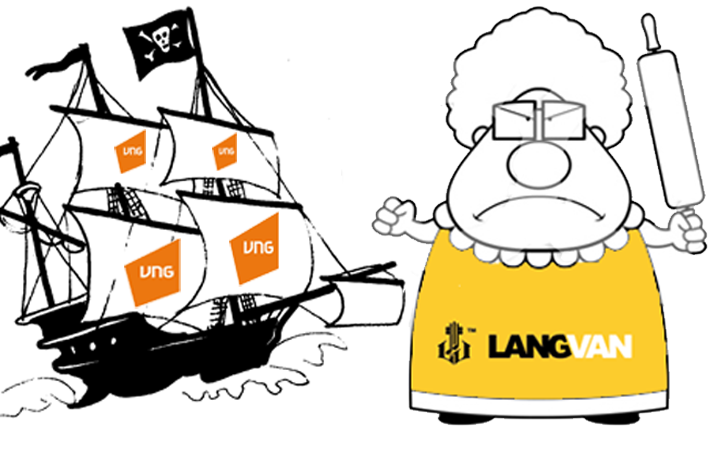
The biggest lawsuit against a Vietnamese tech company ever is now going down in Boston, Massachusetts. The American record company Lang Van just filed against venture capital firm IDG in an attempt to get at VNG, which is a major consumer web and mobile company in Vietnam.
VNG has faced many lawsuits in the past already. According to Lang Van’s press release, Zing, VNG’s major social media and music platform, has faced up to 590 infringement cases. But this latest lawsuit is notable because it is being filed in the States. VNG, and its venture capitalist firm IDG Ventures Vietnam, are going to have to legally defend themselves there. It will not be protected by Vietnam’s still evolving copyright laws.
Key details on the three companies
Lang Van: The Vietnamese-American record company, which claims to be the world’s largest repository of Vietnamese music, has been in operation since 1985. It is a family-owned business based in Westminster, California. For those not in the know, that’s where Little Saigon is – the area with the largest concentration of Vietnamese Americans in the world.
Lang Van has rights to over 12,000 recordings, 6,000 music videos, and 22 sub-labels. This includes Vietnamese-American and Vietnamese music. Lang Van claims that users on VNG’s Zing Mp3 music portal have viewed Lang Van’s content over 250 million times. One source in the music industry stated that “Lang Van’s content is very old but if they win it will set a very loud tone for the local industry.”
Most of Lang Van’s revenues come from compact disc and DVD sales, and the company has five main outlets in Vietnamese Overseas communities across the world. It’s arguable that Lang Van is still trying to catch up to the digital world and this lawsuit is a clear indicator of that.
VNG: VNG is Vietnam’s largest consumer tech company and started in 2004. Its name formerly meant VinaGame, and it is Vietnam’s most successful gaming company, posting more than $90 million in revenue in 2012.
According to Le Hong Minh, CEO of VNG, “back in 2006, 90 percent of revenue [came] from one game”. That game is Vo Lam Truyen Ky, which VNG licensed from Chinese gaming company, Kingsoft.
Since 2006 though, VNG has aggressively pushed into multiple categories of Vietnam’s online space. This includes categories like e-commerce, social media, online media, and online music. But Minh claims that VNG’s number one game still accounts for 20 percent of revenue today. Nonetheless, VNG’s influence over the ecosystem is pronounced. Mid-last year the company had over 20 million users on its social media platform, Zing.
This current copyright lawsuit is not new for VNG. Most recently, local Vietnamese newspapers sued VNG’s news aggregator (a Flipboard-like app), Bao Moi, in March last year.
Also, a group of internet companies banded together last year to form a consortium called Sky Music to battle VNG and its claims to copyrighted music in Vietnam.
Coca-Cola and Samsung also pulled out of advertising on Zing when they discovered that VNG was pirating software. In other words, the Lang Van lawsuit is likely the straw that broke the camel’s back.
IDG Ventures Vietnam: The main body that invested into VNG is IDG Ventures Vietnam, not to be confused with IDG, which is the parent company. IDG Ventures Vietnam secured a fund of $100 million to invest in over 40 companies mainly in the technology, media, telecom, and communication spaces.
It was founded in 2004 and its main limited partner is IDG. IDG Ventures Vietnam invested into VNG, and also helped to form the founding team in 2005. At that time, the investment was the largest for IDG Ventures Vietnam yet. Since that time, IDG has exited VNG and does not have a controlling interest in the company any longer, although Minh does continue interaction with the IDG Ventures Vietnam team from time to time.
The mechanics of the case
Payment is the crux of the issue





Stay updated on the go with our mobile app.
Get latest insights with smoother, more personalized experience through TIA mobile app.