Stefanie Yeo · · 6 min read
QuickBytes: Changing the edfintech game with Carmina Bayombong, InvestEd’s CEO
As part of Tech in Asia’s 2022 International Women’s Day campaign “Break The Bias,” we conducted a survey of female founders in Southeast Asia to learn more about their experiences. We also sat down with some founders from the region to dive deeper into their stories. Here’s one of them.
Carmina Bayombong is the co-founder and CEO of InvestEd, an education and fintech startup in the Philippines. In January this year, she was named by the Cartier Women’s Initiative as one of its nine “Impact Awardees.”
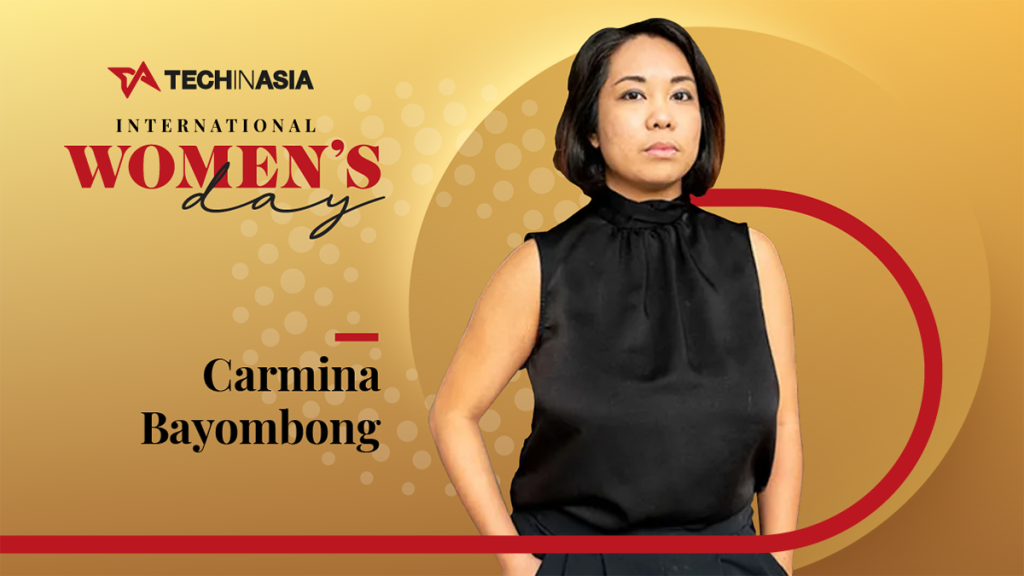
In this interview, Bayombong talks about what InvestEd hopes to achieve, her experiences as a Filipino startup founder, and what she envisions for the Southeast Asian startup scene in the future.
The following interview has been edited for clarity and brevity.
What does your startup aim to do?
Today, there are about 30 million college-age youths and early-career professionals in the Philippines who can’t afford upskilling and therefore can’t move up in life, especially in the pandemic. InvestEd exists to change this reality by trying to help these young people overcome these barriers to success.
We provide success essentials for under-resourced youth through our program, which offers services covering what we call “the three Cs” – capital, coaching, and community. We provide capital for education and upskilling, such as tuition fee loans. We also provide skills coaching to young people to navigate challenges they face with education and adulthood, as well as a community to provide social and emotional support to youth on this journey.
To date, we’ve done about US$1 million in loans to about 1,500 students, with a very good repayment rate, and we’ve raised more than US$2 million in funding.
What are the best and worst things about being an entrepreneur?
I would say the best thing about being a founder is that ability to execute a unique vision. I’ve always had this vision to reduce the barriers to success for young people because when I was growing up, I saw first-hand how challenging it can be. If they aren’t able to get access to capital, coaching, and community support by the time they’re 30, their potential is often forever capped. I also hated redundancy in the sector and wanted to execute my own unique vision to really tackle this problem. Being a founder has allowed me to create this new version of the world that I imagined.
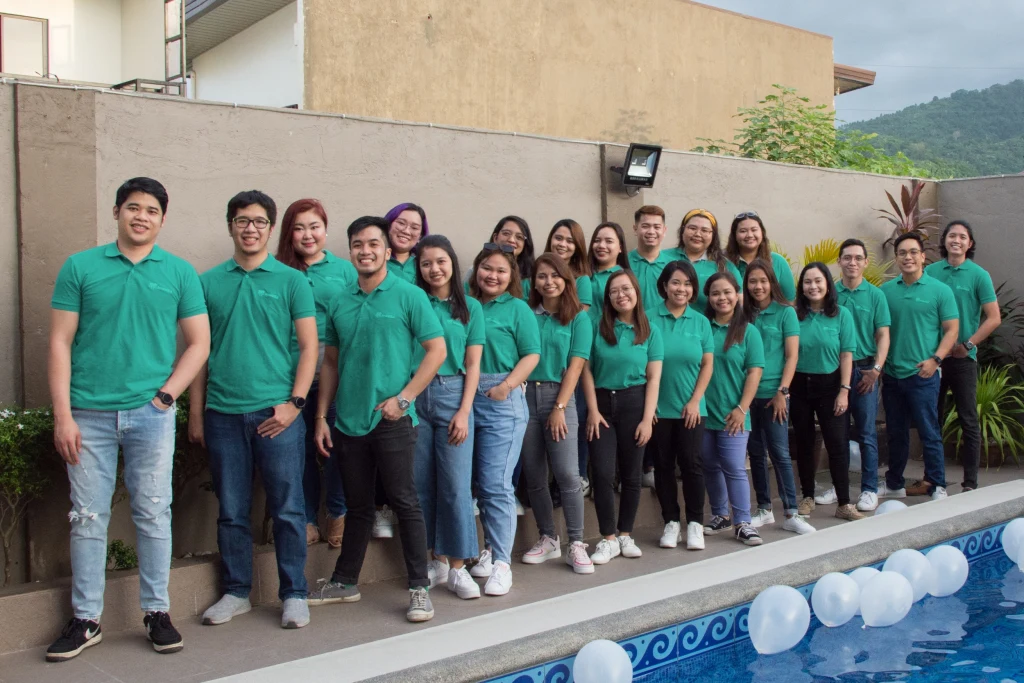
Photo credit: InvestEd
The worst thing would be the burnout. To me, innovation is fundamentally changing the way something is done, like what Uber did for transportation. At InvestEd, we’re trying to change the status quo. We’re trying to change up how parents understand success, how employers understand success, and how schools understand success because now it’s all credentials-based. We’re trying to change how financial institutions see students because students are seen as unbankable and risky, even more so if they’re from low-income backgrounds. You feel like a broken record, and you can get pretty run-down as a founder doing that – trying to talk to all the stakeholders and get them to see things from a different point of view.
What’s the biggest challenge you’ve faced on your journey so far?
That the playing field is not equal for Filipino startup founders, especially for the founders who aren’t from affluent families and don’t have Ivy League educations. Most of us don’t have that kind of pedigree that investors are looking for, and we always have to try three times harder to get a meeting, three times harder to get funding. Our networks aren’t as large, and the quality of advice we receive is not the same as that of founders who were able to go abroad and develop those connections.
Additionally, seed funding in the Philippines has been so small. It’s only recently that it’s becoming decent. As late as last year, seed funding here was something like US$10,000. What can you do with that? As a result, many founders have to work side jobs, and they can’t focus fully on their startups.
Have you faced any biases on your journey, be it from yourself or others?
Has being a female founder made a difference to your entrepreneurial journey? How so?
What’s been the most rewarding part of being a female founder?
What do you think needs to be done to drive more female entrepreneurship in Southeast Asia?
What is the future you hope to see for female entrepreneurship in Southeast Asia?





Stay updated on the go with our mobile app.
Get latest insights with smoother, more personalized experience through TIA mobile app.