Here at Tech in Asia we often come across well-funded companies that have been in existence for a number of years, but began as a startup. Personally, I used to think the term “startup” simply referred to an immature technology business, or a small company starting out on their journey to success.
But flying in the face of this logic are world-renowned entities like Xiaomi, Didi Kuaidi, and US companies Airbnb and Uber. They’ve all been referred to as startups, but at some point they clearly managed to graduate to fully-fledged giants. Surely there must be some way we can distinguish between fledgling upstarts and the more established companies that continue to dominate headlines.
To answer this, we have to first consider in some detail precisely what a startup is.
What’s the difference between a startup and a regular company?
Often when you look at the origin stories for today’s mega companies, they all had humble beginnings. Though the tech press likes to pretend the startup community invented ‘bootstrapping’, getting a venture off the ground with your own savings is common for small businesses. So then, if both start out small, have a focus on making money and growing the rate at which they make money, wherein lies the difference?

The difference lies in their mentality from the outset, says world-renowned serial entrepreneur and University Lecturer Steve Blank. Small businesses typically focus on making a profit as soon as practical, with their usual goal being a sustainable business designed to provide a livelihood and career for a business owner. A startup on the other hand, is a more risky experiment, set up to explore a new business model or aspect of a market with potential for much greater growth.
The key distinction is this: where a small business might happen to pursue significant growth due to organic expansion, a startup is designed, at outset, to be scalable. Startups look to create new markets or disrupt existing ones, and in pursuing either pathway, hope to see large growth.
Another critical difference includes the growth strategies that a small business or startup might pursue. Where a small company might focus on increasing revenue with a near-term view to enhancing profitability, startups have a couple of alternative pathways to determine growth.
One such path is pure user acquisition, where companies bullishly invest in acquiring users with a view to generate revenue later – usually through advertising. Examples include YouTube and Facebook. Another example includes focusing on increasing revenue without much attention devoted to profitability (Amazon).
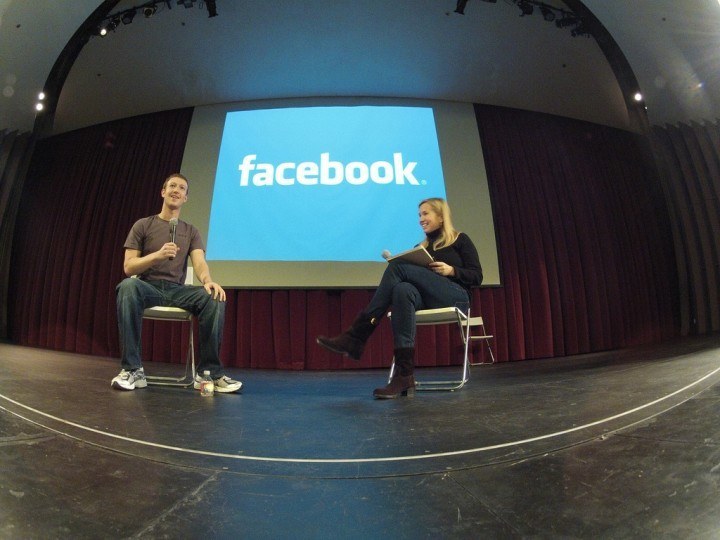
Facebook – the preeminent example of the startup in the minds of many.
Okay, so when should startups shed the label then?
Just as there are no real hard and fast rules in the startup game, there is no one answer to determine when exactly a startup graduates. Below we have provided instead a list of generally accepted guidelines that you can use to a determine a startup’s business position.
Startups on the other hand typically have more wiggle room and are more free to take risks and act quickly without regard to long established company protocol or bureaucracy.




Stay updated on the go with our mobile app.
Get latest insights with smoother, more personalized experience through TIA mobile app.