 Kaya Domingo · · 4 min read
3 tips for doing business in the Chinese and Hong Kong markets

What makes for an ideal place to establish a company?
Beyond offering a strategic advantage and world-class infrastructure and systems, leading business hubs boast high numbers of financial institutions, favorable government policies, and abundant growth opportunities.
That’s true for both Hong Kong and China, which is why they’re known as Asia’s financial center and the world’s largest trading nation, respectively.
In 2019, Hong Kong was home to 3,184 startups, and its stock market remains a world leader, with market capitalization numbers in 2018 up six times compared to 2000.
China is no slouch either, having the most number of unicorns the world in 2019 and ranking highly across several key indicators, including being the world’s second-largest economy, behind only the US.
The social, political, and economic stability in China over the last three decades has been instrumental to this. The government has forged a supportive business environment, crafting policies that support entrepreneurs both local and foreign. There are also ample business opportunities in both urban and rural areas of the country, and foreign investors can easily connect with local business partners.

Photo credit: Sean Pavone / 123RF
Across the border in Hong Kong, it only takes a week to set up a company. According to the World Bank, the city has the most business-friendly tax system in the globe, and it has been named the world’s freest economy for the 25th year in a row. Having no capital controls also makes funding and switching easy for potential business owners in Hong Kong. Additionally, the market has a booming digital banking scene.
Navigating business challenges
Despite these plus factors, however, starting a company in these markets is not without its share of challenges.
For instance, Hong Kong and China have regulations that could affect a company’s finances. And while both places have world-class infrastructures, logistical problems such as remittance issues may still occur. Doing business in these markets may also be especially difficult for an entrepreneur who only speaks one language.
Cross-border payments hub Tranglo experienced these advantages and challenges first hand when it entered both markets. The Malaysia-based company aims to make international business payments easier for business owners and startups.
Tranglo has inked partnerships with fellow fintech players WeChat Pay Hong Kong and China’s Alipay so it can help clients expand their reach at low cost.
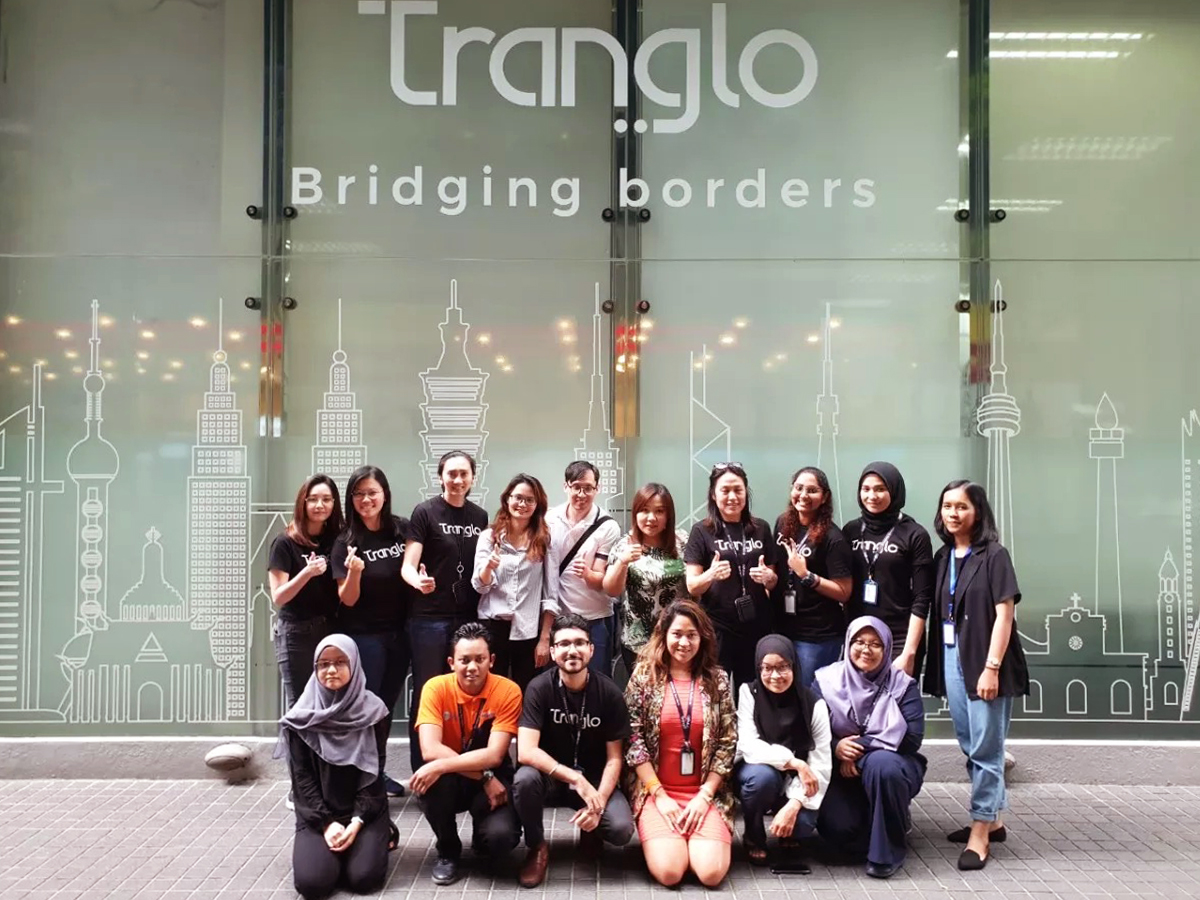
The Tranglo team, with their Alipay counterparts / Photo credit: Tranglo
For those looking to set up offices in Hong Kong and China, here are tips from Tranglo on how to successfully navigate these territories.
1. Hire people who know the markets well
China and Hong Kong have financial regulations that may drive up business expenses. For example, differences in trading currencies may mean that companies could incur additional foreign exchange exposure and be subjected to unpredictable global market movements. To make things more complicated, China also has strict restrictions on overseas media and information.
With these in mind, it’s crucial to have people on your team who are knowledgeable about local laws and customs as well as savvy with using the popular social media and communication applications in these places.
That’s why before Tranglo expanded to these markets, the company put together special project teams composed of legal, marketing, and product experts who have worked at or done business with Chinese and Hong Kong firms.
These teams got the ball rolling for the company. Their experience helped with networking at fintech conferences and exhibitions, where Tranglo CEO Jacky Lee first met representatives from WeChat Pay Hong Kong and Alipay.
Following the initial introductions, Lee took to WeChat to connect with WeChat Pay personnel, and ultimately a partnership between the two firms was born.
2. Overcome the language barrier
When working with partners from China and Hong Kong, entrepreneurs must speak as the locals do. Fluency in Mandarin is obligatory in China, but in Hong Kong it’s often better to hold business discussions in Cantonese or English.
“Conducting business discussions in the local languages will ensure points come across as intended and are not misunderstood,” says Tranglo’s Lee.
Team members who were fluent in either Mandarin or Cantonese were appointed to liaise with Alipay or WeChat Pay Hong Kong, respectively. To avoid misunderstandings, backups also sat in for every conference call.
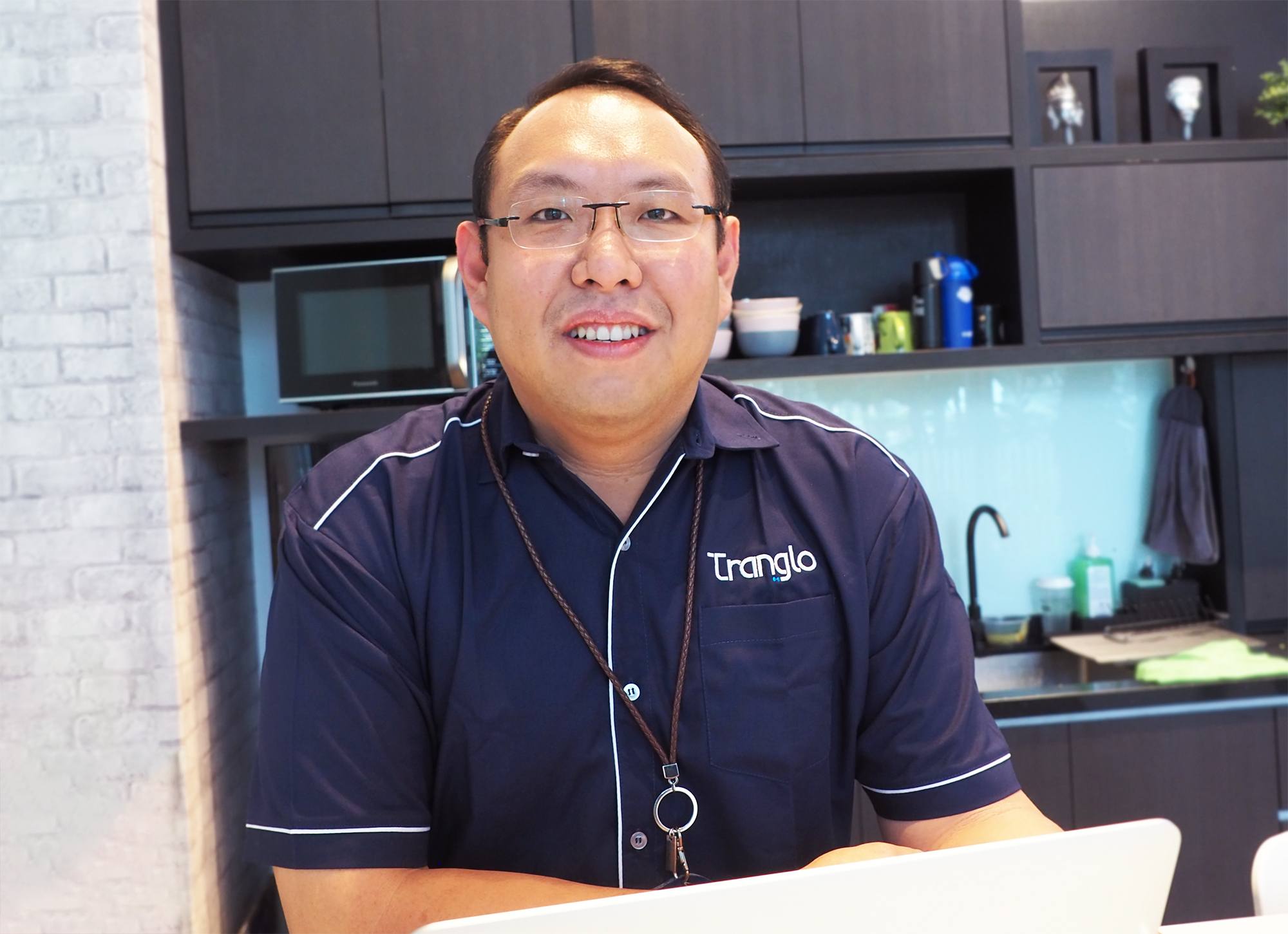
Jacky Lee, Tranglo CEO / Photo credit: Tranglo
3. Have business flexibility and transparency
From contract negotiations to data sharing, flexibility is crucial in these markets. There are instances when potential partners may request for sensitive business information before finalizing an agreement. In such cases, businesses have to strike a balance between flexibility and transparency.
To secure a tie-up, Tranglo and its partners had to conduct plenty of negotiations on contracts, compliance, and marketing issues. Flexibility was vital especially during commercial discussions, where promotion strategies had to be aligned and Tranglo had to ensure that the needs of partners in targeted markets were met.
Making payment across borders easier
Its global expertise and familiarity with the Chinese and Hong Kong markets enabled Tranglo to secure partnerships. These collaborations were a boon to the startup’s overarching mission to consolidate the fragmented payment ecosystem and to streamline the remittance process.
“Within the Tranglo ecosystem, we integrate everything,” says Lee. “A business aiming to expand globally only needs to establish a partnership with us.”
To find out more about Tranglo and its remittance services, visit its website.
Stay updated on the go with our mobile app.
Get latest insights with smoother, more personalized experience through TIA mobile app.
Recommended reads
 SG minister highlights AI adoption pitfalls in SEA
 Experts weigh in on Indonesia’s proposal to ban imported goods below $100
 ASEAN needs $2t to reach net-zero goal: climate forum
 Revolut to invest $45m in India, hire 300 employees
 Australia mulls stricter laws for BNPL players
 Indonesian minister warns TikTok over ‘monopolistic’ practices
 Coinbase, Crypto.com eye expansion into Indonesia
 Binance to sell Russia business to CommEX
 Upbit Singapore secures provisional license for local digital assets biz
 Meet the company bringing cybersecurity solutions under one umbrella





Editing by Winston Zhang, Jaclyn Teng, and Eileen C. Ang
(And yes, we’re serious about ethics and transparency. More information here.)







📅 Upcoming Events
22 October 2026
Payoneer x CSPN Summit 2026