Glenn Kaonang · · 3 min read
GPT-5 arrives: faster, smarter, and with fewer hallucinations
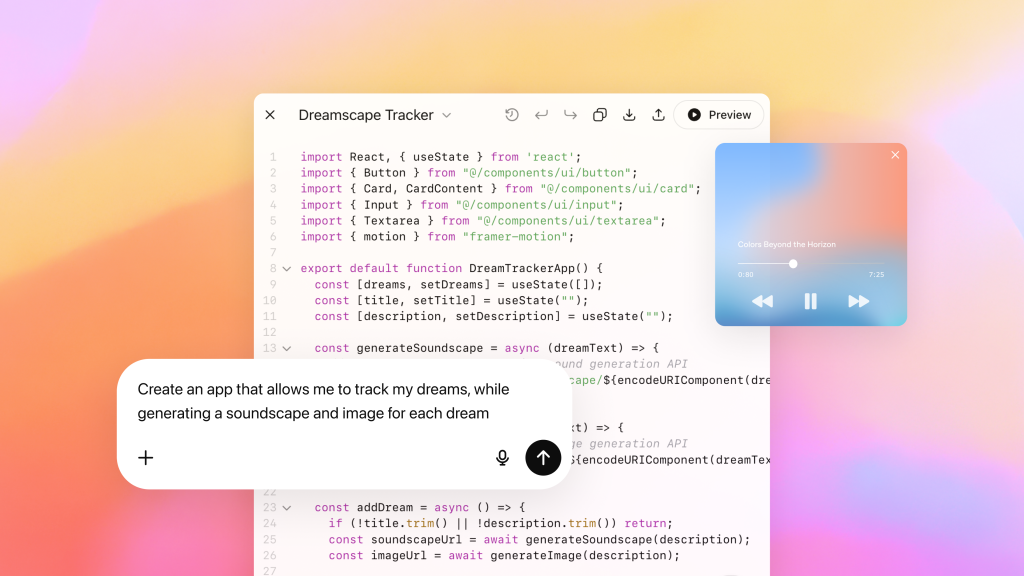
Image credit: OpenAI
ChatGPT’s reasoning, coding, and creative writing skills are all expected to see major improvements in GPT-5, which was released on Friday in Southeast Asia.
The new model is rolling out to both free and paid users (Plus and Pro plans), with enterprise and education customers to follow a week later.
During a press briefing on Thursday, OpenAI CEO Sam Altman described GPT-5 as a major improvement over its predecessors. “I went back to using [GPT-4o], and I was really struck by just how much it felt like antiquated technology,” he said.
Altman compared the models’ progress over time to levels of human expertise. He said that while GPT-3 performed like a high school student and GPT-4 like a “smart college student,” GPT-5 is now at “Ph.D. level.”
OpenAI emphasized GPT-5’s coding capabilities, saying it can complete tasks with minimal prompting. During the briefing, the company demonstrated how it could generate an interactive web app for learning French in under a minute.
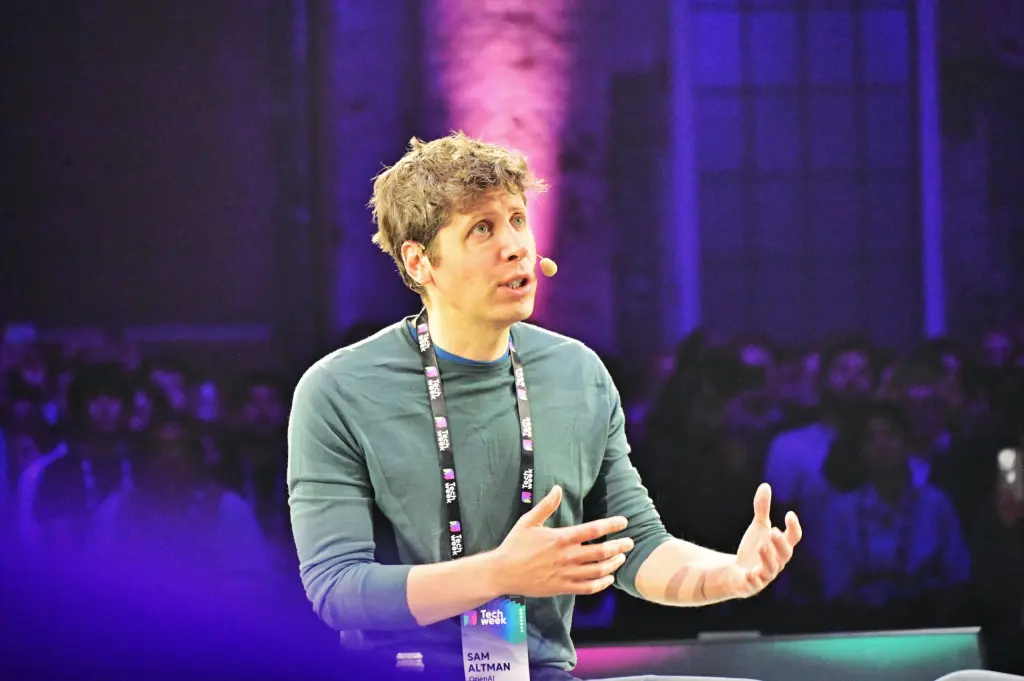
Photo credit: Shutterstock
The improvements in coding signal that OpenAI is serious about catching up to Anthropic, whose models are the default in popular AI-powered coding tools like Cursor and Lovable.
OpenAI said GPT-5 is “state of the art” across several academic benchmarks that test math, science, and programming proficiency. It also performs better on health queries, offering more precise and context-aware responses.
GPT-5 hallucinates less and is able to acknowledge its limitations. “When the task cannot be finished, it just says it versus hallucinating it,” said Olivier Godement, OpenAI’s head of platform, during the briefing.
The model supports a context window of up to 256,000 tokens – twice the length of GPT-4 – enabling it to process and respond to longer prompts.
One model for everything
GPT-5 is also a unified model. Users no longer have to select specific models for different tasks, as GPT-5 can decide for itself, including when to use reasoning models.
OpenAI didn’t specify how much access each subscription would give users. According to the briefing, free users will receive a “good amount” of GPT-5 usage before defaulting to a separate model called GPT-5 Mini, while Plus subscribers will get “significantly higher usage limits.”





Stay updated on the go with our mobile app.
Get latest insights with smoother, more personalized experience through TIA mobile app.