- Insights This article was written by a TIA community member. Insights pieces undergo the same rigorous editorial process that newsroom-produced articles have.
 Chris Sirise · · 6 min read
How NFTs are building communities online
My biggest takeaway after falling into the NFT rabbit hole is learning about the technology’s long-term potential as a community-building tool.
One of the most challenging parts of any virtual ecosystem is scaling authenticity, but NFTs are changing this. These are some of the interesting ways I’ve seen NFTs used in community building and how they might evolve over time.
Exclusivity: airdrops or early access for new releases
One of the clearest benefits of holding an NFT is having early or exclusive access to future releases from your favorite brands and creators. This could be in the form of a free NFT from a future release by a brand whose NFT you already hold.
Alternatively, some creators give those who already hold their NFTs early access to succeeding launches. This type of exclusivity becomes valuable if the demand for the drop is greater than the supply.
A subsequent collection produced by a creator is often a large milestone in the community, generating a lot of engagement and excitement in the lead-up to the drop. For brands with a large following, there is generally monetary value for the second set of NFTs they release, which benefits their NFT holders.
A good example of this would be the Robotos project, which had a highly anticipated launch in October last year. Robotos is a collection of droid characters designed by artist Pablo Stanley that are minted as NFTs.
Every single one of the 10,000 robotos are unique and algorithmically generated using more than 170 different hand-drawn traits. Their design – coupled with Stanley’s enthusiastic personality – established a vibrant community around the NFTs. It’s an active group that holds conversations about the direction of the project on platforms like Discord or Twitter Spaces.
Every roboto holder will get a free “robopet companion,” which has been a much-awaited milestone in the project, and the community has been trying to guess what the robopets look like for weeks. When a sneak peak was finally announced, the artist did not disappoint: Every robopet will inherit one trait from the roboto they are based on, which holders already love.
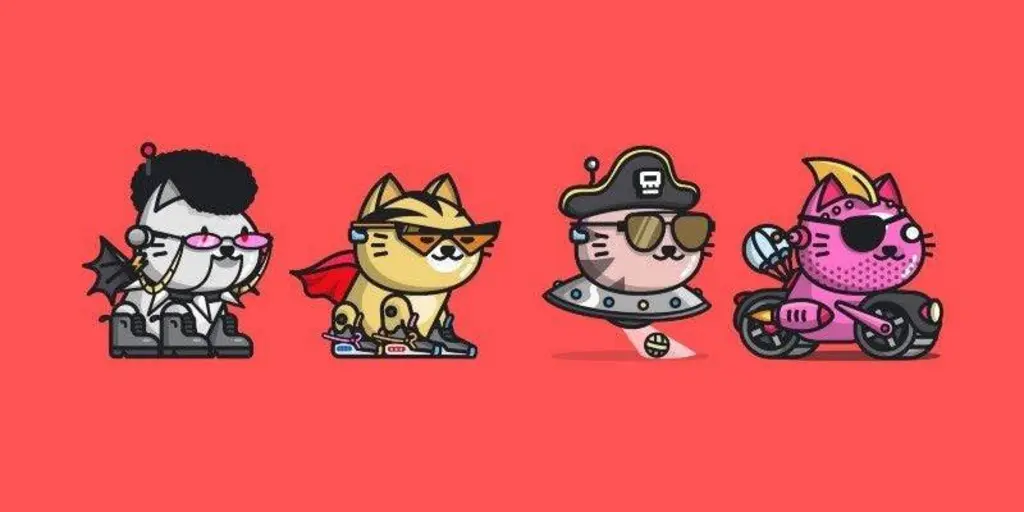
Robopets from the Robotos project by Pablo Stanley
Physical merchandise is also often exclusively distributed to NFT holders. This is particularly effective for brands that have already created a certain level of exclusivity and loyalty. For a digital-native generation, owning virtual assets and being part of tribes is important, just like owning a recognizable watch or driving a nice car is important for some people.
One recent example would be the Mutant Ape Yacht Club’s merchandise store that is only available to its NFT holders.
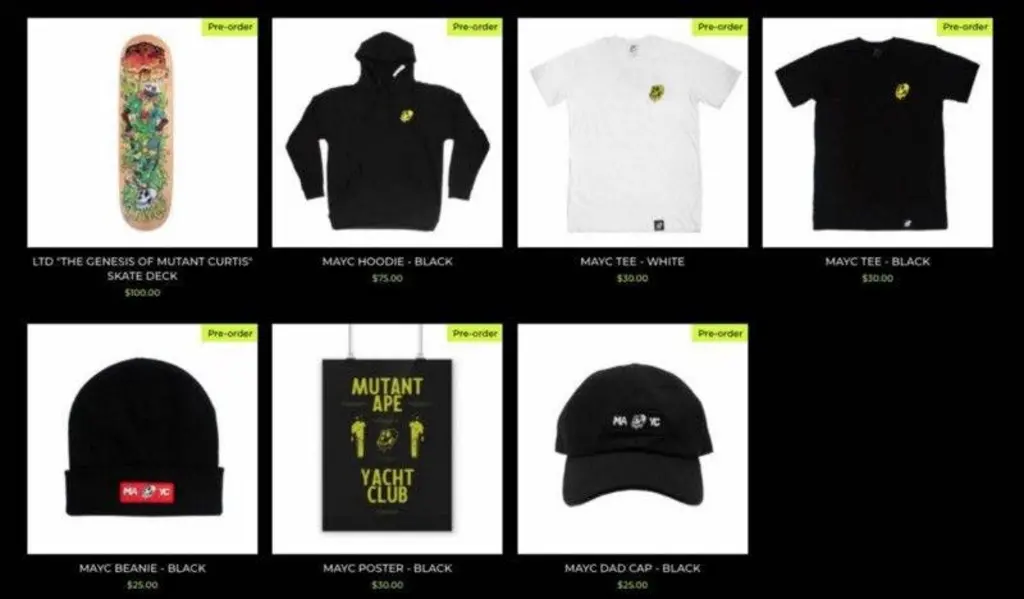
Merchandise that can only be purchased if you hold a Mutant Ape Yacht Club NFT
Voting and governance: shaping the direction of the brand
Different communities are innovating with the participation of its members, and brands are experimenting to see what it would be like to include token holders in decentralized decision-making.
Internal economy: utility tokens
Possible evolution of communities





Stay updated on the go with our mobile app.
Get latest insights with smoother, more personalized experience through TIA mobile app.