Steven Millward · · 2 min read
Two months after Delhi sexual assault, Uber starts screening its drivers in India
Nearly two months after a female Uber passenger was raped by her driver in India’s capital, Uber is now implementing full background checks on its drivers.
Uber’s blog just announced that the firm will use a nationwide driver screening system for India after partnering with a background checking company called First Advantage.
Uber touts this as “additional layers of screening,” but the company’s many missteps in the run-up to the rape tragedy reveal that its original screening was practically non-existent. The Uber driver who attacked his passenger in December, Shiv Kumar Yadav, is a convicted rapist who served jail time in 2011. Yadav has confessed to the crime, but the trial has not yet started.
Authorities in Delhi banned Uber on December 8, a few days after the sexual assault. The company was allowed to recommence operations in the capital on January 23 after the US-based startup applied to become a licensed radio taxi operator. That will require all of Uber’s drivers to install GPS-based tracking devices and acquire a transport department badge just like those displayed by regulated city cabbies.
Failing on safety
Delhi police said last month that the “driver did not undergo the mandatory police verification, and a background check was not conducted by [Uber].” Immediately after the attack, Uber blamed Indian authorities for failings in the mandatory verification system.
“Across India, Uber has always partnered exclusively with commercially licensed and insured driver-partners who are required to go through multiple verifications as part of government mandated transport licensing processes,” stressed Uber’s newest blog post.
The new deal between Uber and First Advantage means “additional layers of screening over and above the standard transport licensing process,” such as “address verification, a local criminal court search, and a national criminal database search.”
Many will point out that those are safeguards that should have been in place from day one. Uber first launched in India in August 2013.
See: Uber’s ride in India could get bumpier as Ola and TaxiForSure get set to merge
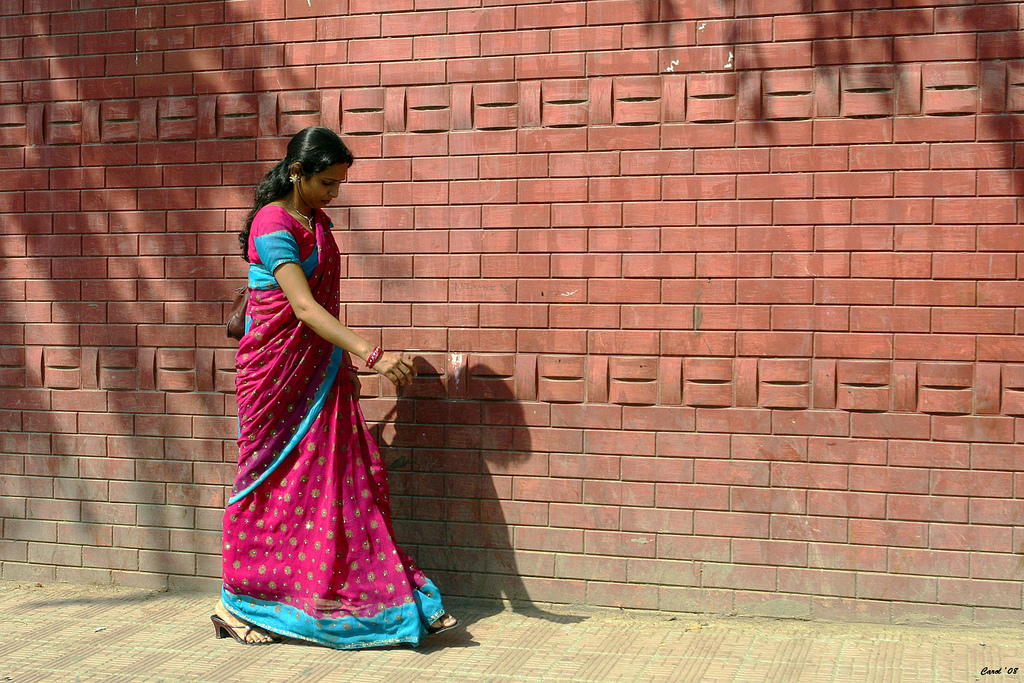
Editing by Mary-Anne Lee; image by Carol Mitchell
(And yes, we’re serious about ethics and transparency. More information here.)





Stay updated on the go with our mobile app.
Get latest insights with smoother, more personalized experience through TIA mobile app.