- Insights This article was written by a TIA community member. Insights pieces undergo the same rigorous editorial process that newsroom-produced articles have.
 Jaclyn Tiu · · 6 min read
How food delivery players can out-compete each other to win Asia
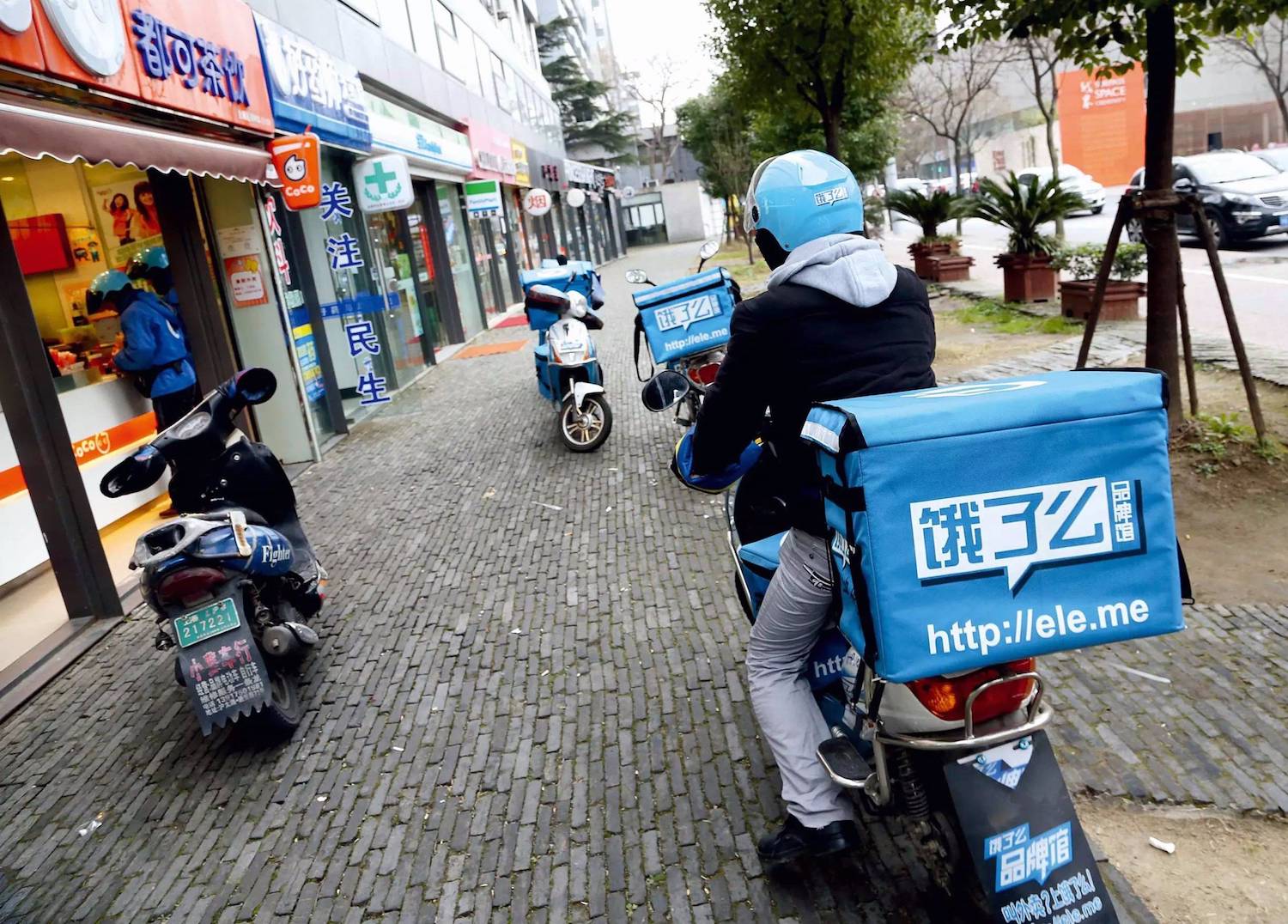
A pack of Ele.me scooters. Photo credit: iFeng Tech
Discuss features short but strong and insightful opinions on interesting startup, entrepreneurship, and tech topics. Got a topic or question to suggest? Drop us an email or leave a comment.
Asia’s food delivery scene is turning up the heat. Just this week, Alibaba bought out food delivery startup Ele.me in a multi-billion dollar deal and China’s biggest ride-hailing app, Didi Chuxing, confirmed it is launching a pilot food delivery service. And lest we forget, the Grab-Uber deal also has food delivery implications.
We asked three experts to get their take on what startups can do to win the market.
Editor’s note: Answers have been edited for clarity.

Jianggan Li, founder of Momentum Works and former managing director at Foodpanda
The food delivery business model is now well understood and will become less about operational efficiency and more about capital. Crucially, this market is harder to enter than ride-hailing because the product is not standardized and is operationally complex. If you become the dominant player, you actually control a significant portion of consumers’ daily spend.
Alibaba and Tencent have been dumping billions of dollars into this sector for that reason. And with Naspers’ investment in Swiggy, India’s food delivery scene is also heating up. Eventually, the (current and emerging) internet giants will need food delivery as a key piece of their empire.
In Southeast Asia, we already see Go-Jek effectively control food delivery in Jakarta, making it more logical for people to spend money in their GoPay wallet. That said, the food delivery scene in the region is definitely not as developed as that of China or India. I would naturally assume that the two key reasons for the relatively low uptake are the availability of cheap quality eateries and the lack of sustained subsidy campaigns. I can’t be certain of that at the moment, however.
Winners and losers
The winners will be those with big capital, for sure. The losers are the small players who do not have the scale, cost advantage, or big war chest. For example, those delivering hawker food will be wiped out—if they haven’t been already. Restaurants will eventually be at ease with giant platforms, as they get more customers. However, big platforms will likely squeeze their margins. For bigger restaurants or chains, diversifying their online customer channel would probably make a lot of sense.
How can startups win in food delivery?
Let’s discuss





Stay updated on the go with our mobile app.
Get latest insights with smoother, more personalized experience through TIA mobile app.