 J. Sexton · · 2 min read
Korean gaming companies are being forced to team up if they want to compete
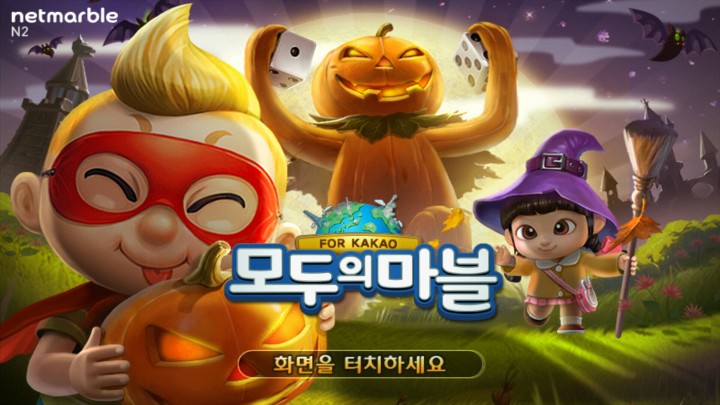
Several high-profile mergers or acquisitions in the Korean mobile games market have taken place in the past year. These include CJ Netmarble and CJ Games combining to form Netmarble Games Corporation and Gamevil’s 2013 acquisition of Com2uS. While not a traditional gaming company, Kakao, a major player thanks to the platform it provides publishers for their games, merged with Daum.
With increased competition both inside Korea and from its neighbors in Asia, game publishers are being forced to pursue lateral growth as seen from these mergers or partnerships. They are also relying more on mobile social apps to maintain player bases, as opposed to traditional advertising. It’s likely that most people are too busy looking at their phones to see subway ads anyway.
See: Unity engine gets even more fuel in Asia thanks to partnership with NHN
According to App Annie’s recently released September index for Korean games, these mergers are already yielding fruit, especially at the top of the revenue charts. Some of the top games on the charts have been made possible through these mergers.
One example is Gamevil’s 2013 acquisition of Com2uS. The meeting of each company’s respective strengths has facilitated the rise of Summoners War since the game’s release in April. There’s also the projection of October’s index, which sees the newly formed Netmarble Games Corporation – the fruit of the CJ Netmarble and CJ Games merger – leading in revenue. Netmarble alone was already responsible for three of the top 10 games by revenue in September for both iOS and Android.
With the high level of competition atop the mobile charts in South Korea, the report argues its mobile market may be one of the most competitive in the world. That’s even if its online PC game charts are rather predictable.
Adapting to this, companies are increasingly leveraging social applications such as KakaoTalk’s KakaoGames platform to increase visibility and help players discover games. Kakao’s strategy has differed from those of say Line or WeChat, who tend to acquire games or fund development outright.
A growth strategy relying heavily on social media and social applications has proven to be effective even in China, where many social networks are prevented from operating. We can likely expect these integrations to continue, as developers and publishers will be encouraged to get their games in front of as many eyeballs as possible. In Asia, those eyes are already on mobile games and chat apps.
Click here for the full report.
Editing by Mary-Anne Lee
(And yes, we’re serious about ethics and transparency. More information here.)





Stay updated on the go with our mobile app.
Get latest insights with smoother, more personalized experience through TIA mobile app.











📅 Upcoming Events
22 October 2026
Payoneer x CSPN Summit 2026