- Premium Content It takes our newsroom weeks - if not months - to investigate and produce stories for our premium content. You can’t find them anywhere else.
 Jofie Yordan · · 5 min read
Indonesia’s govtech ambitions shadowed by concerns
In May, then-Indonesian President Joko Widodo announced the creation of INA Digital, a govtech platform that aims to aggregate and integrate all digital public services in the country.
It was an opportune time for such an initiative. Indonesia currently has around 27,000 public service apps, and most of them remain unintegrated with one another despite this year’s annual budget of 6.2 trillion rupiah (US$397 million).
Of course, it’s easier said than done. While industry observers believe the intentions behind this move are “good,” they caution that the government hasn’t had the best track record when it comes to tech.
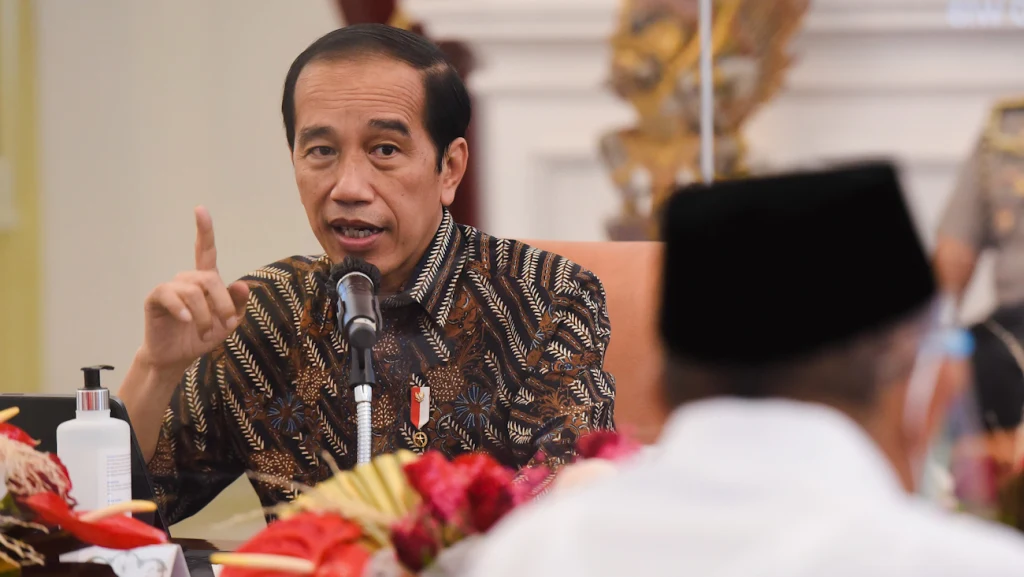
Then-Indonesian President Joko Widodo / Photo credit: Cabinet Secretariat of the Republic of Indonesia
A primary concern industry observers have relates to data protection and security, especially with INA Digital’s plans to enable single sign-on. In June, for instance, a cyber attack on the national data center disrupted immigration checks across Indonesia’s airports.
Tech in Asia reached out to INA Digital for comments but has not received a response.
Learn from mistakes
On September 30, INA Digital launched its first three platforms: the digital identity portal INApas, the public service portal INAku, and the civil servants portal INAgov.
Regular citizens will primarily use the first two platforms. They can register their identity through INApas and then use it to access public services on INAku.
For now, these three portals are still in limited release. The rollout timeline is currently unclear, especially amid Indonesia’s transition to Prabowo Subianto’s presidency.
On the whole, centralizing apps for public or government services makes sense, says Tesar Sandikapura, chairman of the Indonesian Digital Empowerment Community.
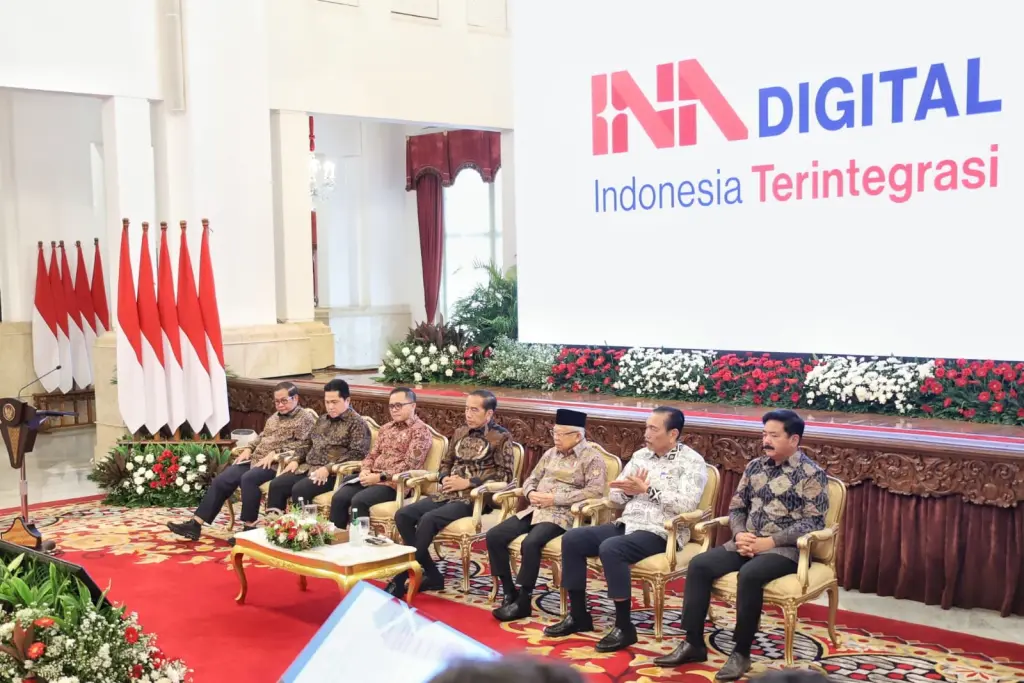
INA Digital’s launch in Jakarta / Photo credit: Ministry of Administrative and Bureaucratic Reform
Currently, ministries and government agencies develop apps on their own, without a unified standard. Experts have also described some public service applications as “incompetent,” with issues such as rough user experience or poor usability.
Data security is particularly pivotal. INApas states on its website that it will implement layered data encryption while enforcing multifactor authentication, such as face recognition and fingerprint scanning, like Singapore’s Singpass.
Too many heads?
All about execution
Stay ahead in Asia’s tech landscape
This is premium content. Subscribe to read the full story.
Despite trusting the initiative’s motives, some industry observers warn about the government’s spotty track record in tech.
We know this is not ideal. ⌛ Sign up in 20 seconds. Cancel anytime.
Our subscriber community includes professionals from these companies:





Stay updated on the go with our mobile app.
Get latest insights with smoother, more personalized experience through TIA mobile app.