J.T. Quigley · · 3 min read
Edtech startup in Japan raises $1M to get students to share their notebooks
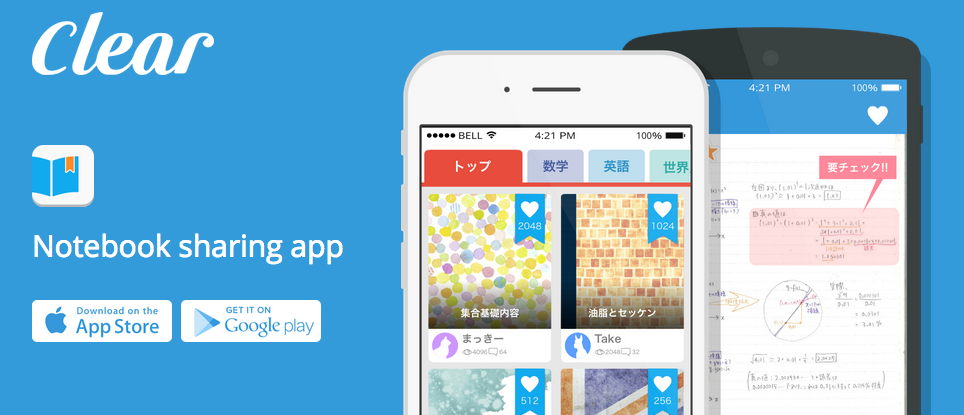
Japanese edtech startup Arcterus today announced that is has raised JPY 130 million (approximately US$1 million) from Dentsu Digital Holdings, Startia, and Bon Angels.
Like many edtech startups in Japan, Arcterus targets the country’s ubiquitous juku, or cram schools – after-school tutoring academies that have grown into a US$10 billion industry.
The Japanese educational system is largely based on rote memorization and standardized tests. Getting into a respected high school, university, or career is also largely based on a student’s performance on rigorous entrance exams. The juku industry has become such an economic force because parents are willing to do just about anything – and pay any price – to ensure their child’s success.
What sets Arcterus apart from other players in the cram school space is that the startup acts as more of a complement than a direct challenge. While fellow Japan-based ventures like Mana.bo and ClassDo are trying to replace the physical classroom with smartphone and tablet screens, Arcterus’ core services supplement the education process itself.
Schoolbook scribbles go digital
The startup’s main offering, Clear, allows users to view, share, and rate notebooks. Students simply snap a photo of their own class notes, add stickers and highlights, and upload it for the community. Someone studying the same subject or using the same textbook can then review the notes and follow note-takers they like. For someone with sloppy handwriting or less-than-stellar note-taking skills, this could be a huge time-saver and a powerful tool when preparing for exams.
At present, searching for relevant notebooks relies on the uploader manually entering information and tags related to the corresponding subject or course – but that will change in the future. Goichiro Arai, Arcterus’ founder and CEO, tells Tech in Asia that the startup is investing in optical character recognition (OCR) technology that will automate that process.
Clear is currently available in Japanese, English, and Thai for iOS and Android. The service has half a million total downloads and more than 30,000 notebooks in its database.
“More students and businesspeople around the world are starting to study on their smartphones,” he says. “As [this phenomenon] increases, we aim to accelerate our global expansion. Southeast Asia is our primary target in 2015, especially Indonesia, Malaysia, the Philippines, and Thailand. We launched Clear in Thailand back in April, and the traction shows the same curve as we had in Japan a year ago – a very good sign.”
Complementing cultures
Choosing to scale in Southeast Asia first was based on three factors: investment in education, a growing population, and what Arai calls a “culture match” – specifically, an interest in self recognition and the desire to help others. “People in countries we chose tend to have this culture stronger than other countries, based on our research,” he says.
Arai explains that North and South America, as well as additional markets in Asia, are on the Clear roadmap for 2016. He lists the US, Canada, Brazil, India, Korea, and Taiwan as specific target markets.
Apart from Clear, Arcterus also operates Caiz, a service that assesses a student’s learning style and recommends tailored study plan to their teacher.





Stay updated on the go with our mobile app.
Get latest insights with smoother, more personalized experience through TIA mobile app.