- Premium Content It takes our newsroom weeks - if not months - to investigate and produce stories for our premium content. You can’t find them anywhere else.
 Melissa Goh · · 7 min read
Private exchanges could be the cheaper, faster alternative to an IPO
Imagine this: You are an early employee of a startup like Grab or Traveloka who joined the company with a stock options plan. Years later, the startup has entered decacorn territory, now worth over US$10 billion. But until the company lists on a public stock exchange or gets acquired, there are limited avenues for you to cash out.
As companies choose to stay private for longer, the wait time for founders, former and current executives, early institutional investors to get returns on their investments have also increased.
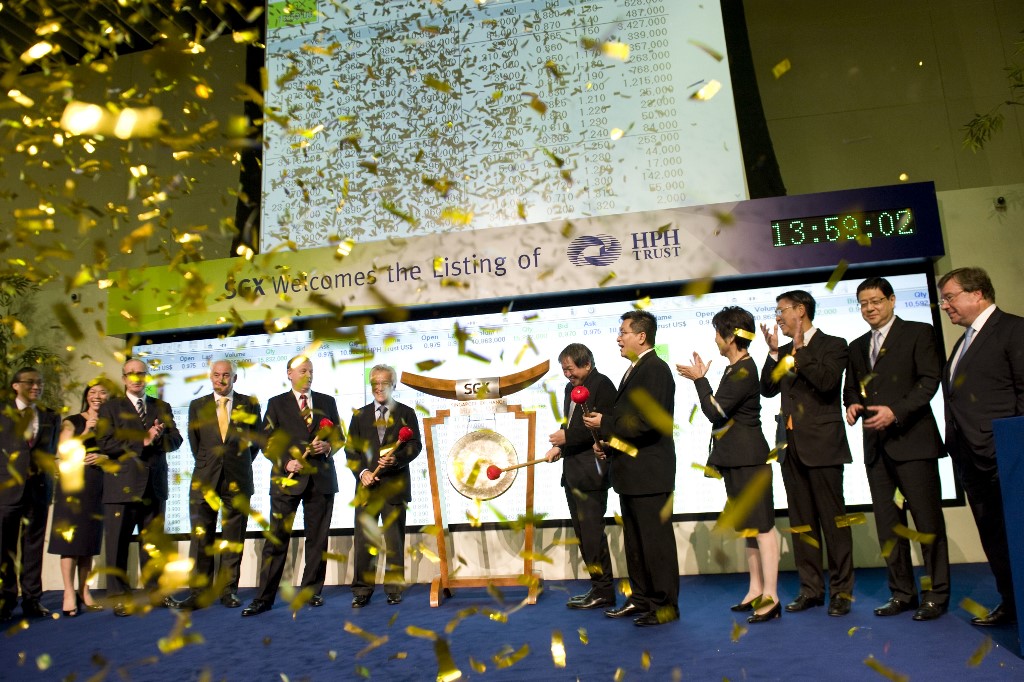
Hutchison Port Holdings Trust’s listing of the company’s China port unit of Hong Kong on the Singapore stock exchange in March 2011. / Photo credit: Simin Wang, AFP
An initial public offering (IPO) opens up a much-needed liquidity channel for both existing investors as well as new ones, but it’s a costly and time-consuming endeavor. At the same time, the abundance of venture capital and private equity funds are delaying the need for companies to list in order to obtain growth capital.
Private exchanges, which allow the trading of securities for non-listed companies, helps investors and other stakeholders to realize paper gains ahead of potential IPOs.
It’s a relatively new phenomenon in Asia but has been around in the US since 2003, when the Nasdaq set up its own private secondary exchange with the aim of providing liquidity and financing to companies at earlier stages of their life cycles. Since then, the Nasdaq Private Market has provided secondary liquidity worth over US$23 billion for over 33,000 stakeholders.
Closer to home, we’re seeing a similar trend. 1Exchange, Singapore’s first regulated private securities exchange, launched in 2018 and counts the Singapore Exchange (SGX) as a strategic investor and shareholder.
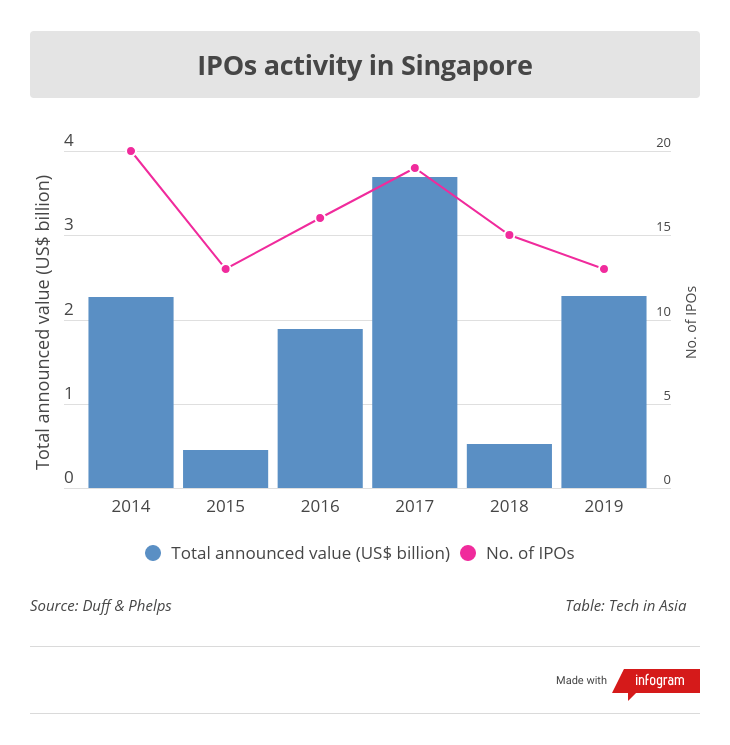
“We wanted to create a private exchange which would allow private growth companies to remain private yet enjoy the benefits of listing, which is liquidity and global investment outreach,” 1Exchange CEO Choo Haiping tells Tech in Asia. For SGX, which attracted 11 out of the 126 IPOs in Southeast Asia last year, it was a tactical choice.
Avoiding a ‘painful’ IPO process
Becoming a public-listed company has long been regarded as the pinnacle of a business’ growth journey. For many entrepreneurs, it’s validation of years of hard work.
But the premium that these firms are placing on a public listing is changing as other viable sources of funding sprout up.
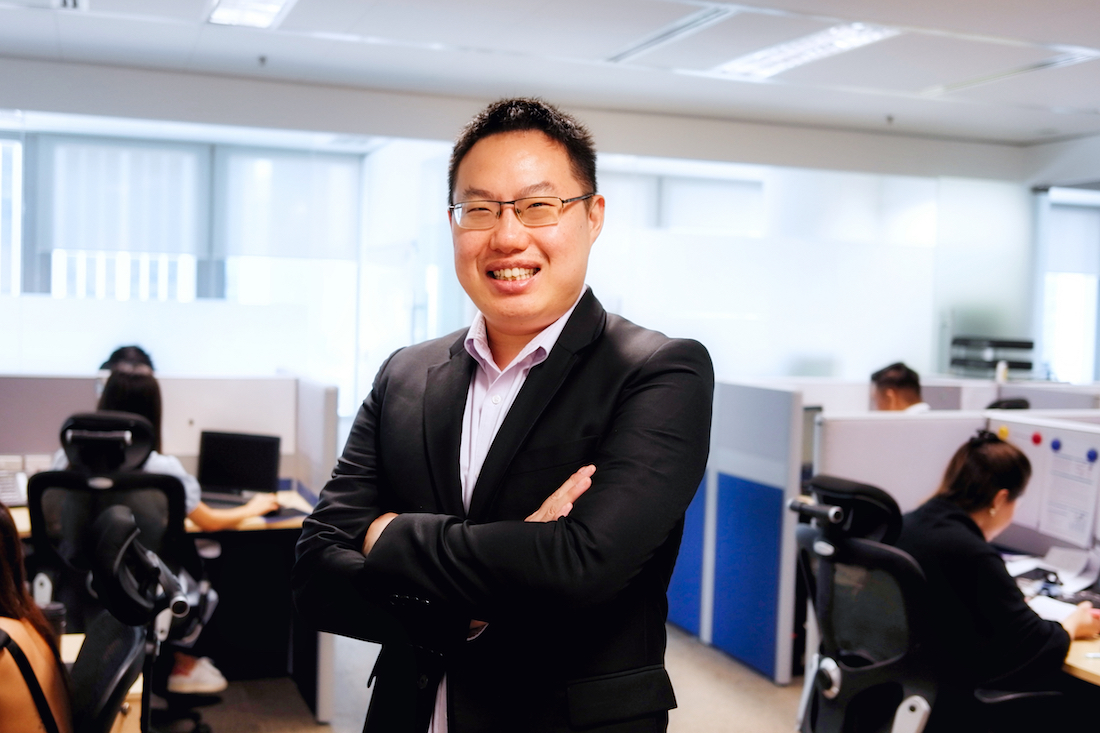
“When you do an IPO, you have to create a prospectus, hire investment bankers, lawyers, auditors, and so forth,” says 1Exchange’s Choo. “You could raise US$5 million to US$10 million, but your fees could range from US$1 million to US$2 million.” For small and medium-sized enterprises (SMEs) or growth startups, this is a huge portion of their fundraise – roughly 10% to 20% – he says.
Alternative investment platforms
Springboard to an IPO
Stay ahead in Asia’s tech landscape
This is premium content. Subscribe to read the full story.
As companies stay private longer, private exchanges could provide much-needed liquidity events to longstanding shareholders.
We know this is not ideal. ⌛ Sign up in 20 seconds. Cancel anytime.
Our subscriber community includes professionals from these companies:





Stay updated on the go with our mobile app.
Get latest insights with smoother, more personalized experience through TIA mobile app.