Leighton Cosseboom · · 3 min read
Fiber-optics and smart cities: Indonesia gets aggressive with infrastructure modernization
Over the next five years, the Indonesian government plans to spend more than US$420 billion on infrastructure projects in the archipelago. A large portion is to come from the private sector; for telecoms projects in particular, nearly all of it will.
Indonesia’s tech minister, Rudiantara, is looking to streamline the new network build-outs and has asked the nation’s three major telcos – Telkomsel, Indosat, and XL Axiata – to submit their plans. The minister wants to ensure that the telecoms infrastructure push is efficient nationwide, and not just limited to the greater Jakarta area.
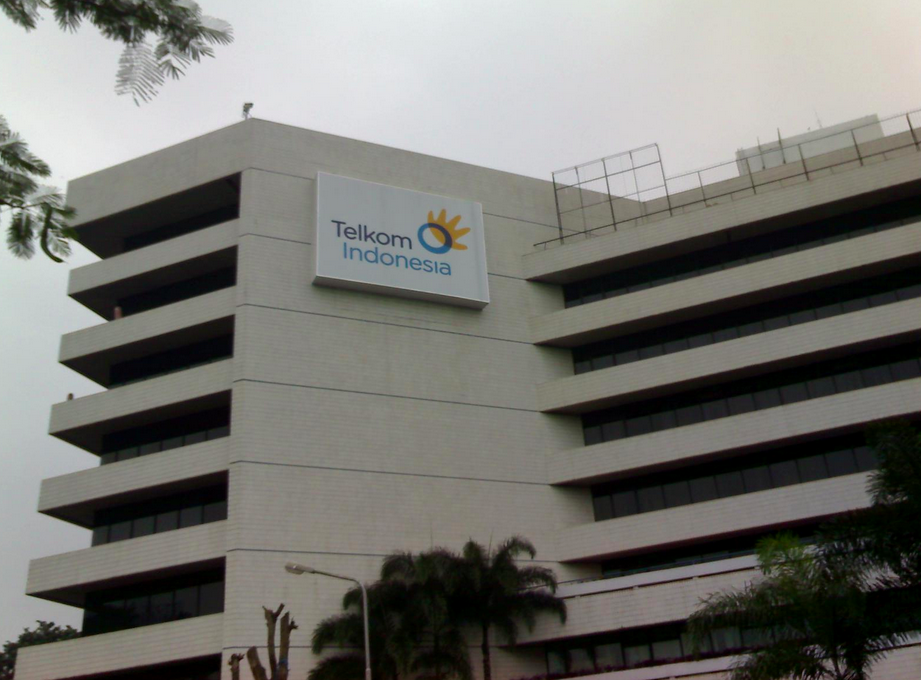
Meanwhile, every day, more than 2,000 new customers are signing up for Telkom Indonesia’s IndiHome service, reports local media portal Detik. IndiHome is a three-pronged package that features fiber-optic connectivity for high-speed internet, cable television, and home phone service. Optical fiber lines allow for super fast data transmission and the technology is revolutionizing the telecoms industry worldwide.
Indonesia is no exception, but it is one place where telco infrastructure development is desperately needed. Indonesia’s volume of data traffic is forecast to grow by a factor of six, from 84 exabytes last year to 656 exabytes by 2020, according to a recent study.
This year, Telkom is looking to build a fiber-optic network that’s capable of serving up to three million customers of IndiHome, according to Detik. All of this is part of an initiative to connect the entire archipelago from Aceh, North Sumatra to Papua in East Indonesia. Telkom’s fiber-optic efforts in Indonesia are also meant to reduce the nation’s “digital divide,” which could be seen as one catalyst for the nation’s education gaps and cultural differences across the islands.
“We’re sorry if anyone still has to wait due to the large public interest,” Prasabri Pesti, an executive general manager at Telkom, told Detik.
See: Indonesia’s Telkom to invest $200 million for tech startups
Satellite cities hope to become smart
Apart from fiber-optic infrastructure efforts, Telkomsel, Indosat and XL Axiata are all simultaneously racing to develop their recently-launched 4G networks. Local news outlet Kompas reported today that Telkomsel just launched its 4G network in Indonesia’s second largest city, Surabaya.
The inauguration of 4G service in Surabaya marks an important infrastructure pivot point for East Java. Surabaya’s mayor, Tri Rismaharini, wants to use telecoms infrastructure to help transform her city into a “smart city,” one in which an interconnected IT framework supports everything from government administration to traffic control and even crime prevention. Rismaharini says she hopes that the presence of 4G technology can improve the city itself, and not just be used for commercial purposes.
The term “smart city” usually refers to the use of information and communications technologies to monitor and automate a city’s infrastructure and operations, according to research group IHS Technologies. Specifically, it often involves using wireless sensors throughout a city to monitor status and collect data that can be used to improve planning, increase efficiency, lower costs, or even offer new services.





Stay updated on the go with our mobile app.
Get latest insights with smoother, more personalized experience through TIA mobile app.