Osman Husain · · 5 min read
Hotel aggregator Jovago wants to consolidate and shift its focus to Pakistan
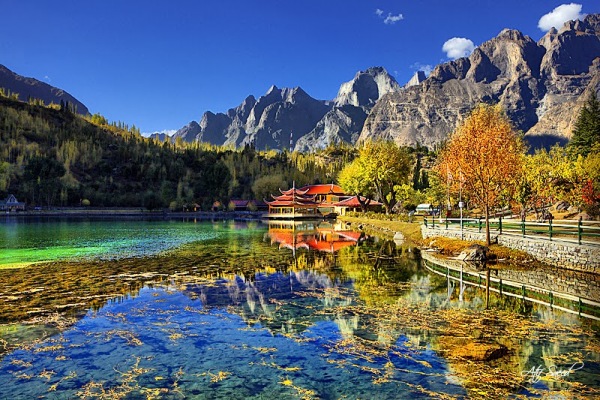
Shangrila, Northern Pakistan
Photo courtesy: Parhlo
Jovago, the Rocket Internet-backed online hotel booking portal, set up shop in Pakistan in February last year. The startup took a while to streamline operations, preferring to test the waters instead of jumping in with both feet. The company was originally built to serve the African market, but Pakistan was the first country where Jovago chose to expand into. Now, after more than a year of operations, Jovago is looking to further embed itself into the minds of Pakistani consumers.
The tourism industry of Pakistan ripples with potential. In 2009, the World Economic Forum’s travel and tourism competitiveness report ranked Pakistan as one of the top 25 percent tourist destinations for world heritage sites, recognizing the six UNESCO-certified world heritage locations and confirming its rich historical and cultural lineage.
However, in the same report, Pakistan ranks 122 out of 140 countries in its travel and tourism competitiveness index. The report points to an abysmal state of policy rules and regulations, as well as substandard travel and tourism facilities. Several years of violent terrorism, insurgencies, high-profile kidnappings, and travel advisories have also contrived to keep foreign tourists at bay. A shame, given the sheer scale of geographical diversity and natural phenomenon at display in the country.
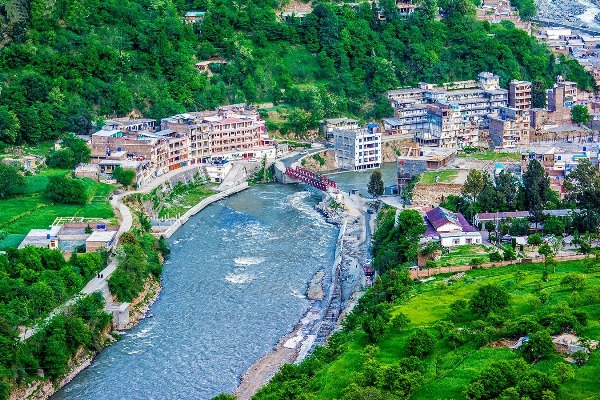
Madyan, Swat.
Photo courtesy: Parhlo
Lack of transparency presents an opportunity
Despite the negative perceptions, antiquated facilities, and poor standard of information, domestic tourism in Pakistan continues to make steady growth. For now, this is the market that Jovago aims to capture.
Country manager for Jovago Pakistan Nadine Malik states that they initially experienced a lot of traction, despite minimal marketing spend. This initial exuberance was instrumental in convincing Rocket Internet to establish a firm presence in the country.
“In the first six months of our operation we only had about 50 hotels in our database and were not engaging in extensive marketing efforts,” Malik tells Tech in Asia. “Despite this, our bookings kept increasing on a monthly basis, and we became convinced that we had a real game-changer on our hands.”
The biggest problem faced by domestic travelers is that Pakistan’s tourism industry is scattered, with the most beautiful locations also being the most remote and inaccessible. The northern parts of the country features lush green valleys, rivers, and streams, although they are situated in some of the highest mountains in the world. Similarly, the nation’s most pristine beaches are found mainly in the southwest region, although this area is also the most sparsely populated in Pakistan.
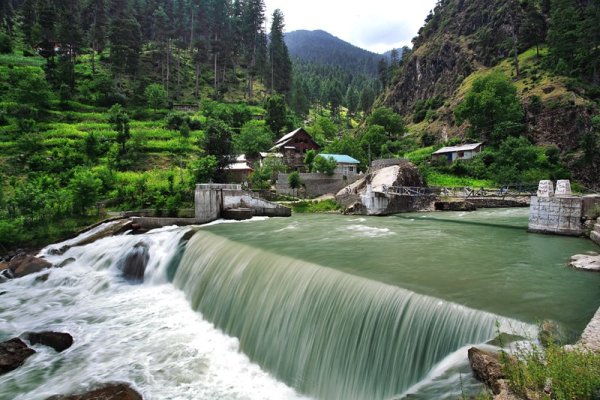
Kundal Shahi, Northern Pakistan
Photo courtesy: Parhlo
Jovago’s value proposition sits in aggregating all the rental properties available, building a repository of hotels and guest houses on a scale that has never been attempted before. As network infrastructure outside urban and semi-urban areas is poor, there are few ways to collate information and build a mechanism for users to access. Hence, potential travelers are reliant on referrals from friends, or having to pay exorbitant rates through travel agents.





Stay updated on the go with our mobile app.
Get latest insights with smoother, more personalized experience through TIA mobile app.