- Premium Content It takes our newsroom weeks - if not months - to investigate and produce stories for our premium content. You can’t find them anywhere else.
 Putra Muskita · · 5 min read
A successful IPO gives hope to Singapore’s deep-tech ambitions
Nanofilm’s recent initial public offering made it Singapore’s latest unicorn, with a valuation of US$1.2 billion. The IPO raising up to S$510 million (US$375 million), and Reuters reported that it was Singapore’s biggest listing in at least six years.
But for many outside the deep-tech space, it can seem like Nanofilm’s success sprung out of nowhere. Many of the most prominent tech companies in Southeast Asia have not managed to go public.
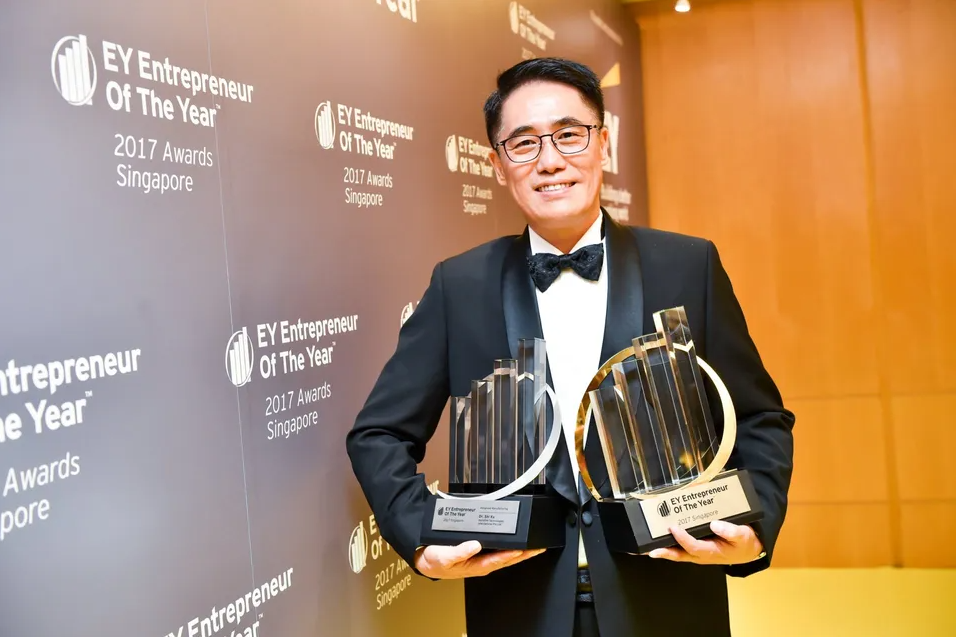
Shi Xu, chief executive at Nanofilm Technologies International / Photo credit: Nanofilm
It has been a long journey for Nanofilm – over 20 years, to be exact. The nanotechnology company was spun off from Singapore’s Nanyang Technological University (NTU) in 1999.
The Nanofilm IPO proves that despite its high risk, “deep tech can also bring about high returns,” says Lim Jui, CEO of SGInnovate, a Singapore government-owned firm that invests in deep-tech startups.
Nanofilm also possesses a quality that’s elusive among tech companies: profitability. In 2019, it earned close to S$40 million in profits before income tax – a 14% increase compared to the previous year.
The company is poised for more growth as it offers more than just advanced materials. But being a deep-tech company that’s focused on business-to-business presents its own set of challenges.
Beyond advanced materials
Nanofilm’s bread and butter is advanced materials – specifically, coating. While these are largely invisible to the end consumer, they’re actually found on many electronic devices that people use daily, says Lim.
Indeed, Nanofilm’s customers include the likes of Fuji Xerox, Microsoft, and Huawei. These companies use Nanofilm’s products for consumer electronics (such as the logos on smartphones and tablets, or smartwatch bands), printer components, and piston rings.
Its coatings make products more durable or more aesthetically pleasing. For instance, smartwatch bands get discolored or scratched easily as they undergo a lot of movement and rubbing when worn. Nanofilm’s coating helps prevent damage like that.
Its Tac-On formulation is among the “hardest materials in the world known to mankind,” comparable to diamonds and graphene, according to a Frost and Sullivan report that Nanofilm cited.

Examples of applications for Nanofilm’s solutions / Photo credit: Nanofilm
The FCVA technology behind Tac-On had been a research focus for Shi Xu, Nanofilm’s founder and executive chairman, during his stint at NTU.
Can Nanofilm’s IPO spur investments in deep tech?
Stay ahead in Asia’s tech landscape
This is premium content. Subscribe to read the full story.
Despite the research strengths of Singapore’s universities, deep tech has remained a niche space. Nanofilm’s IPO, however, can change that.
We know this is not ideal. ⌛ Sign up in 20 seconds. Cancel anytime.
Our subscriber community includes professionals from these companies:





Stay updated on the go with our mobile app.
Get latest insights with smoother, more personalized experience through TIA mobile app.












📅 Upcoming Events
22 October 2026
Payoneer x CSPN Summit 2026