China has no shortage of smartphone brands these days. Outside of the established players like Huawei and ZTE, who are already in the US, the newer players like Xiaomi, OnePlus, and Letv have all been hesitant to launch in the United States. Xiaomi and Letv both have online stores in the US but none of their phones are available; OnePlus phones are technically available in the US but can only be purchased with an invite. Nobody has yet been willing to dive headfirst into American waters.
This is not without reason – until recently the American mobile market was dominated by carrier-subsidized phone purchases. America’s major carriers offered expensive plans with the price of a decent new phone every couple of years built in. This system allowed American consumers to buy even the highest-end phones – like brand new iPhones, for example – for just a couple hundred bucks. That made it virtually impossible for China’s smartphone startups to compete. If you can get an iPhone for US$200, why take the risk on some Chinese brand you’ve never heard of?
But in the past year, the US mobile market has changed. Major carriers like Verizon have abandoned carrier subsidy plans, instead moving to (slightly) lower-priced plans that require users to pay for their phones up-front in full or purchase them via a payment plan system that adds to their monthly bill. Customers who don’t want to add to their monthly bill now have a much easier time buying phones up-front at full price. For those customers, an iPhone now costs US$650 and up, which gives Chinese brands a bit more of a chance to compete.
Of course, the removal of mandatory carrier subsidies is just a starting point. To actually make a big impact in the US, Chinese smartphone brands will need to do a lot more than that:
Brand correctly
To make a splash in the crowded US market, a Chinese smartphone’s best hope is to come across as something hip and new. Being a Chinese company is, if anything, a hindrance, and being cheap isn’t a selling point. Affordability might be icing on the cake, but first and foremost American smartphone consumers want something cool.
OnePlus has actually done a great job of this, getting coverage from all of the US’s major tech sites by selling itself as a hip new brand with good phones that happen to be cheap and Chinese, as opposed to cheap Chinese phones. The selling point is that they’re “flagship killers” – flagship-quality phones at lower-than-flagship price points, and that has generated some interest in the U.S.
Xiaomi and Letv have more work to do on this front. Xiaomi is well-known among US tech geeks, but that has now been the case for long enough that it’ll be hard for the company to come off as new or fresh if/when it finally does launch phones in the US. Letv, in contrast, is relatively unknown, and its launch of a Xiaomi-style US online store selling only cheap accessories has not helped (nor will it).
No “starvation” marketing gimmicks
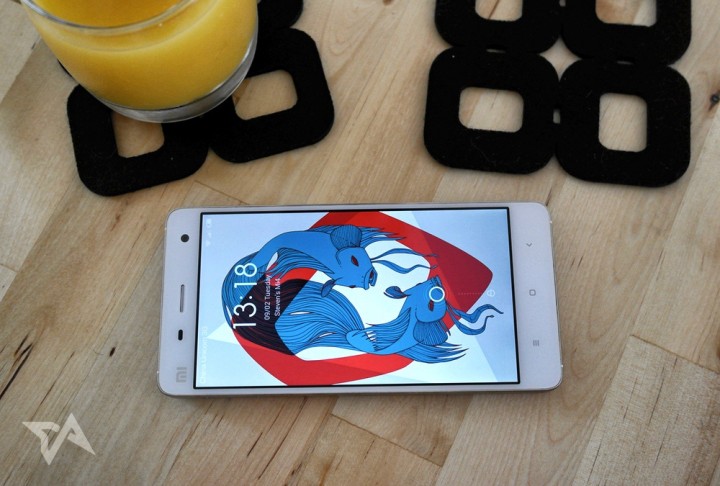
In China, Xiaomi has been able to get a shocking amount of mileage out of what the Chinese call “starvation marketing,” its approach of releasing extremely limited quantities of phones at a time, leading to flash sales where tens of thousands of units sell out almost instantaneously.
This approach might work once or twice in the US for building hype, but my instinct is that after that, American consumers will tire of it fast. Aside from OnePlus (a relatively new entrant with a very tiny slice of the market) I can’t think of a single smartphone brand that regularly takes this approach in America. It prevents people from impulse-buying your phone, or buying your phone when theirs breaks, and frankly it just gets old. I was willing to sit around and wait through flash sales for the original Xiaomi phone (despite that experience being awful) because it was a hip new company and I was going to be one of the first users of its first handset. But the more models a company has released, the less appeal being an early adopter holds.
Offer things competitors don’t
Partner with local carriers





Stay updated on the go with our mobile app.
Get latest insights with smoother, more personalized experience through TIA mobile app.