Osman Husain · · 8 min read
After the war on terror: an ancient Pakistani city looks to tech for its revival
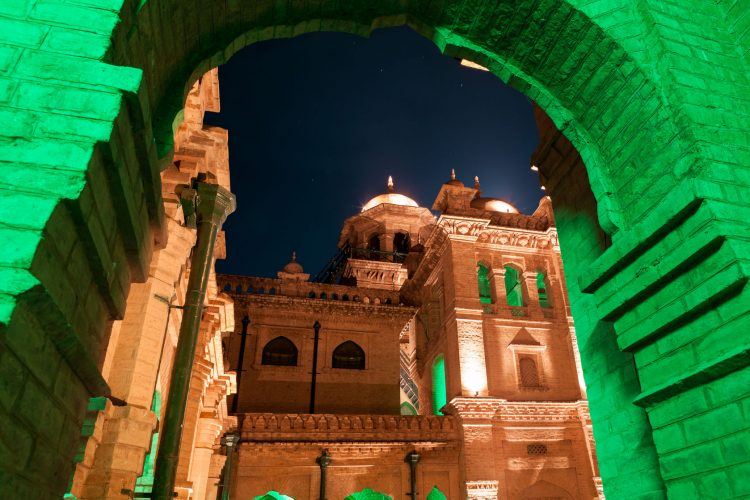
Islamia College in Peshawar. Photo credit: sakhaphotos / 123RF.
The city of Peshawar, located in Pakistan’s northwestern region, tends to make headlines for the wrong reasons. It’s just a two-hour drive from the capital, Islamabad, but also the last major urban centre before one enters the loosely governed tribal areas bordering Afghanistan.
In recent years, the city has borne the brunt of the state’s fight against religious extremism and terrorism, with reprisal attacks against government and security installations.
Things have calmed down since last year, but this troubled narrative belies the rich cultural history of Peshawar. Its origins date as far back as 539 BC, making it one of the oldest surviving cities in Asia. It was once the capital of the Gandhara civilization and still houses many ancient Buddhist monuments and relics. Conquerors like Alexander the Great have trekked across this land.
The city has traditionally relied on an endless stream of migrating merchants, large bazaars, and a smattering of industry as the primary drivers of its economy. But the internet has well and truly permeated public life in Peshawar as well as the larger province of Khyber Pakhtunkhwa (KP).
During my visit to the city last month, I saw evidence of how the web is changing lives: small businesses use it to sell products across the country. Ordinary citizens glean vital information from Facebook. WhatsApp video calls are an important way for overseas workers to stay in touch with family members back home.
The internet’s economic potential is real and not going unnoticed.
That’s important because the province is in desperate need of jobs. Estimates suggest Pakistan has lost US$118 billion due to fewer investments, lower exports and taxes, and non-existent tourism as a result of the ongoing war on terror. Even local institutional investors are reluctant to invest in Peshawar in the fear that their business interests might be harmed.
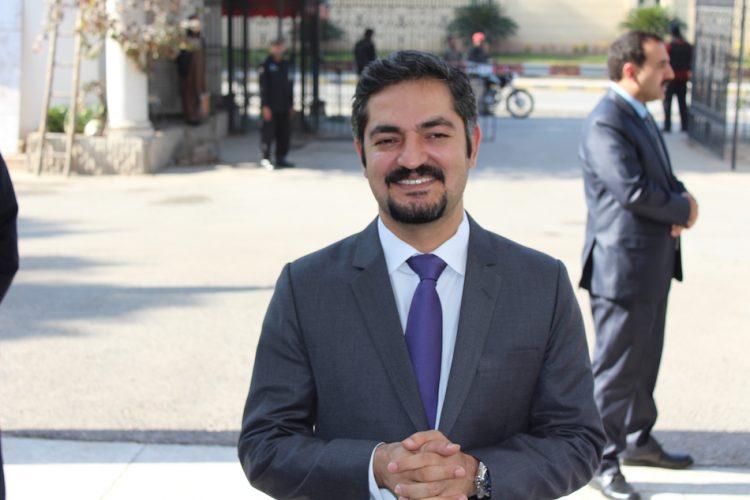
Shahbaz Khan, Head of the KPITB. Photo credit: KPITB.
Man on a mission
Leading the charge to digitize the province of KP, impart digital literacy, and encourage entrepreneurship and freelancing is Shahbaz Khan. He holds a doctorate in computer systems engineering from the UK and has almost a decade of experience working in academia and industry-funded research.
Shahbaz’s passion lies in wireless devices and multispectral imagery, but that’s taken a backseat for now as he aims to galvanize the public sector, work with universities, and build co-working spaces. He’s been trying to do that since June, following his appointment as the head of the KP IT Board (KPITB).
The province needs a systemic shift in the way it approaches its digital future.
I meet Shahbaz in his squeaky-clean but modest office located in the heart of Peshawar. Unlike other bureaucrats in the province, Shahbaz doesn’t have any airs or pretensions. He’s friendly, warm, and willing to learn from others. The door to his office remains ajar and one doesn’t need to schedule a meeting in advance.
Upskilling
Latching on to Chinese presence
Startups matter too





Stay updated on the go with our mobile app.
Get latest insights with smoother, more personalized experience through TIA mobile app.