Sign up for the Daily Newsletter, sent exclusively to our premium subscribers. We break down the big and messy topics of Asia’s tech and startup community. Get the newsletter in your inbox everyday with a premium subscription.
Hello reader,
In the 2018 movie Avengers: Infinity War (has it really been that long since it came out?), the villain Thanos has an iconic line: “Dread it. Run from it. Destiny arrives all the same.”
Right now, destiny for tech companies and investors around the globe could potentially be the rising tensions between the US and China. No matter how hard they try to avoid it, the impact of this geopolitical situation cannot be denied. It’s going to influence how these firms operate on the road ahead.
Earlier this week, my colleague Peter wrote about how investors have been affected by the US-China trade war. Today, we’re exploring the companies that have been caught in the crosshairs and how they’re dealing with the heat.
Today we look at:
- The tech firms caught in the US-China trade war
- A Singapore-based payments firm that’s just raised some funds
- Other newsy highlights such as GoPay getting a standalone app and Sea Group’s latest investment in its digital banking subsidiary
Premium summary
You can run, but you can’t hide
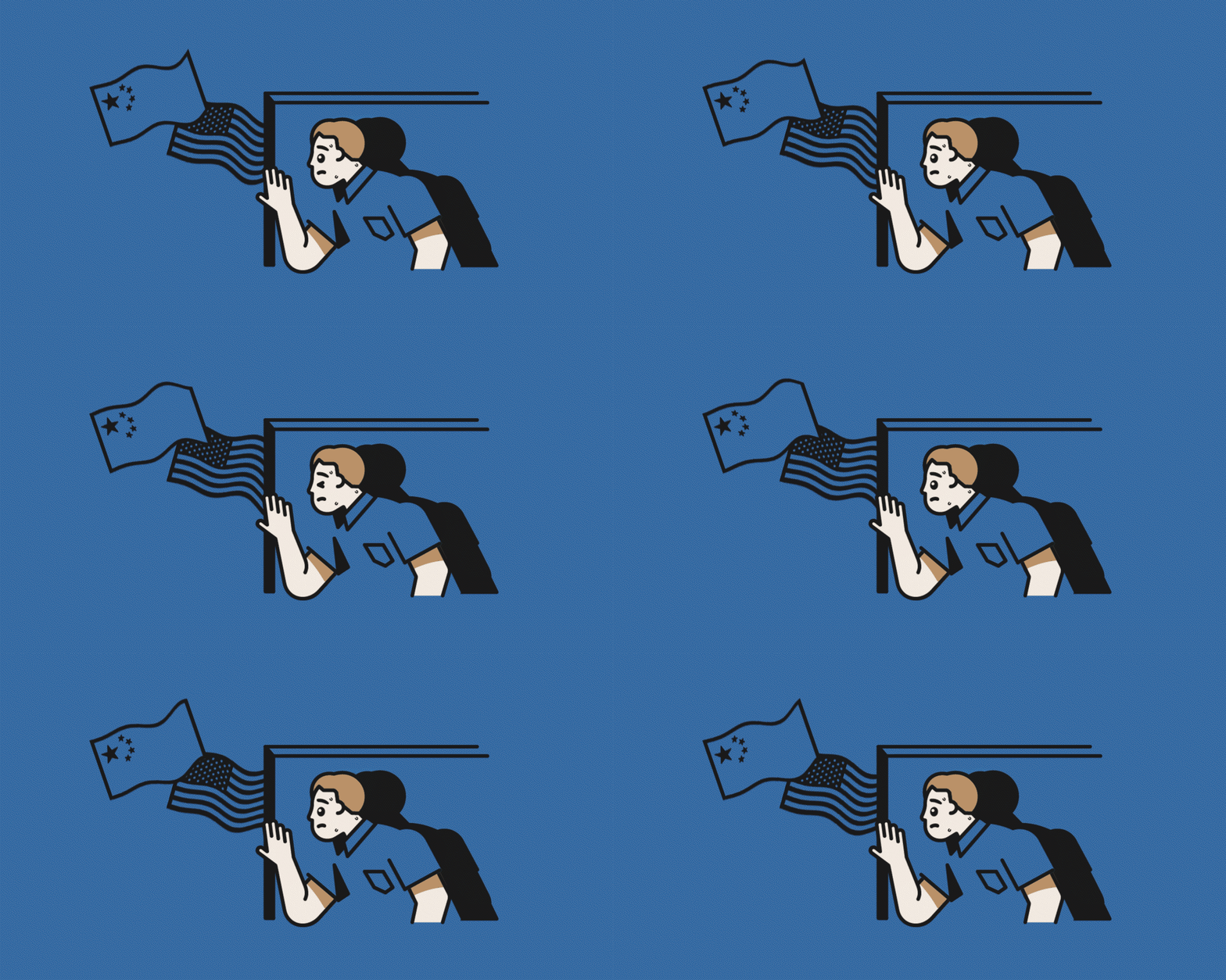
Image credit: Timmy Loen
Things are tough for companies caught in the middle of the US-China tensions, and the situation only seems to be getting tougher. Here’s a look at how businesses are trying to navigate this minefield.
- Hello, new home: Some firms are taking preemptive measures to avoid scrutiny by moving their company headquarters to places like Singapore in an effort to distance themselves from China. Shein and TikTok are two examples.
- Picking a side: Countries may feel pressured to pick a side as US-China tensions drag on, which could affect how businesses operate. For example, the Netherlands has put in place rules that will require firms like semiconductor manufacturer ASML to obtain a license from the government before it can export its high-end chipmaking machines overseas. While the rules are “country-neutral,” the restrictions are expected to disproportionately affect machines headed toward China.
- Plus one: Many companies are also adopting a “China plus one” strategy, looking to diversify supply chains to minimize their risks. Markets like Thailand, India, and Vietnam are in a position to benefit from this.
Read more: Mapping the tech firms ensnared in rising US-China tensions
Startup spotlight
Pay it forward

Quick bytes





Stay updated on the go with our mobile app.
Get latest insights with smoother, more personalized experience through TIA mobile app.












📅 Upcoming Events
22 October 2026
Payoneer x CSPN Summit 2026