Owen Churchill · · 4 min read
US ‘will let firms sell to Huawei if no national security risk’ as trade talks resume
The United States will allow American companies to sell technology to the blacklisted Chinese telecommunications giant Huawei where there is no threat to US national security, Commerce Secretary Wilbur Ross said on Tuesday.
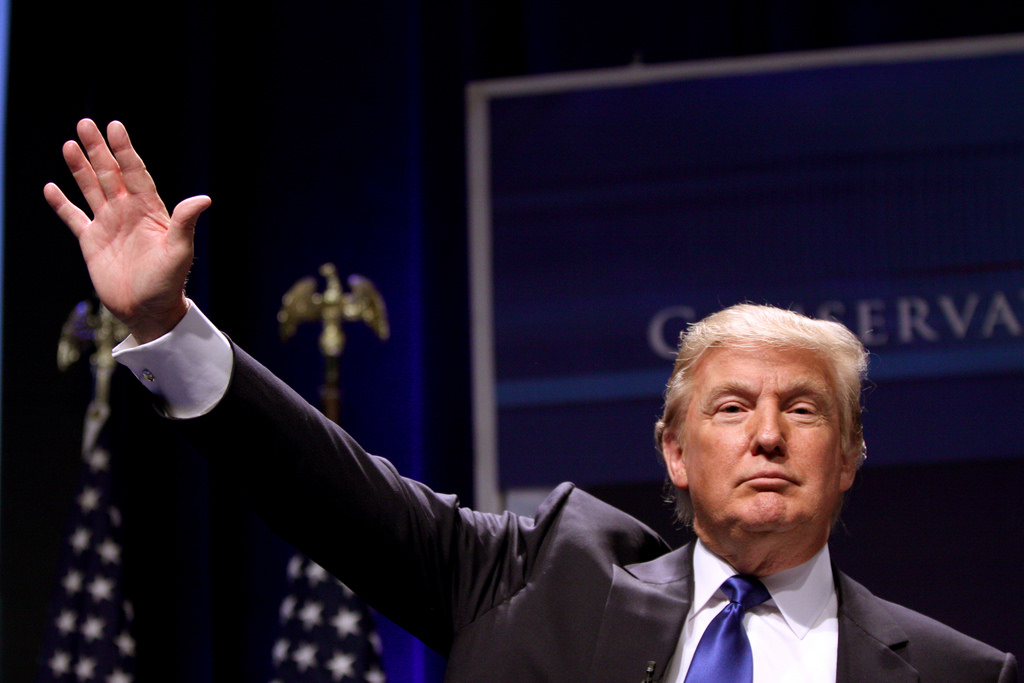
Photo Credit: Gage Skidmore
Ross’ comment was made as top trade negotiators from the two nations spoke by phone, after an agreement to resume negotiations by presidents Donald Trump and Xi Jinping at the Group of 20 summit in Osaka in late June.
White House economic adviser Larry Kudlow said the phone conversation was “constructive.” He said the two sides were talking about a face-to-face meeting, but warned that negotiations would be tough.
“President Xi is expected – we hope in return for our accommodations – to move immediately, quickly, while the talks are going on, on the agriculture [purchases],” Kudlow said on Tuesday at an event hosted by CNBC. “That’s very, very important.”
A brief statement by the Chinese commerce ministry said Vice-Premier Liu He and Minister of Commerce Zhong Shan spoke to US Trade Representative Robert Lighthizer and Treasury Secretary Steven Mnuchin to “exchange views on the consensus reached by their leaders in Osaka.”
A US official said in a short statement after the call that “both sides will continue these talks as appropriate.”
Ahead of the phone conversation, Chinese state media had cautioned that China would not buy more American products – which Trump said China had committed to following his meeting with Xi in Osaka – if the US “flip-flopped” on its promises. Observers said the restriction on Huawei would be a contentious issue.
In May, the commerce department placed Huawei and 68 affiliates on its Entity List, prohibiting the sale of US technology to the smartphone maker.
That May 16 ruling followed the US government’s determination that there was cause to believe Huawei was involved in “activities contrary to the national security or foreign policy interests of the United States.”
Following a summit between the two countries’ leaders aimed at restarting stalled trade talks, however, Trump announced that the US would continue to sell products to Huawei, given certain provisions.
“To implement the president’s G20 summit directive two weeks ago, Commerce will issue licenses [for sales to Huawei] where there is no threat to US national security,” Ross said on Tuesday at a conference hosted by the Bureau of Industry and Security, the Commerce Department arm that oversees export control.
Such a move would help the US government ensure that “we don’t just transfer revenue from the US to foreign firms,” he said.
But emphasizing that Huawei would remain on the Entity List and that the “presumption of denial” for applicants seeking exemptions would remain in place, Ross said the US government was “alert to China’s civil-military fusion strategy, and understands China’s tenacious pursuit of American technologies it needs to modernize its military.”





Stay updated on the go with our mobile app.
Get latest insights with smoother, more personalized experience through TIA mobile app.