Glenn Kaonang · · 5 min read
Don’t blame AI for bad video games
Welcome to Tech in Asia’s daily newsletter, your essential dose of Asia’s tech and startup buzz. Not yet a subscriber? Register here. Got a story tip? Send it to editors@techinasia.com.
In focus
- How Asian game studios learned to stop worrying and use AI
- The winning streak for the BuzzFeed of Indonesia continues
- XSGD stablecoin is set to list on Coinbase by September 29
Hello reader,
I’m a huge fan of The Lord of the Rings, and Gollum is my second favorite character after Gandalf. So when I heard in 2019 that someone was making a video game called Gollum starring the titular character, I was ecstatic.
The game launched in May 2023, and it was a disaster. The reviews were so bad that the developer issued an apology the next day.
Why am I bringing this up now? Because Gollum proves you don’t need AI to make a bad video game.
As Shieny Aprilia, CEO of Indonesia-based studio Agate, told me in my latest piece: Bad games existed long before AI showed up.
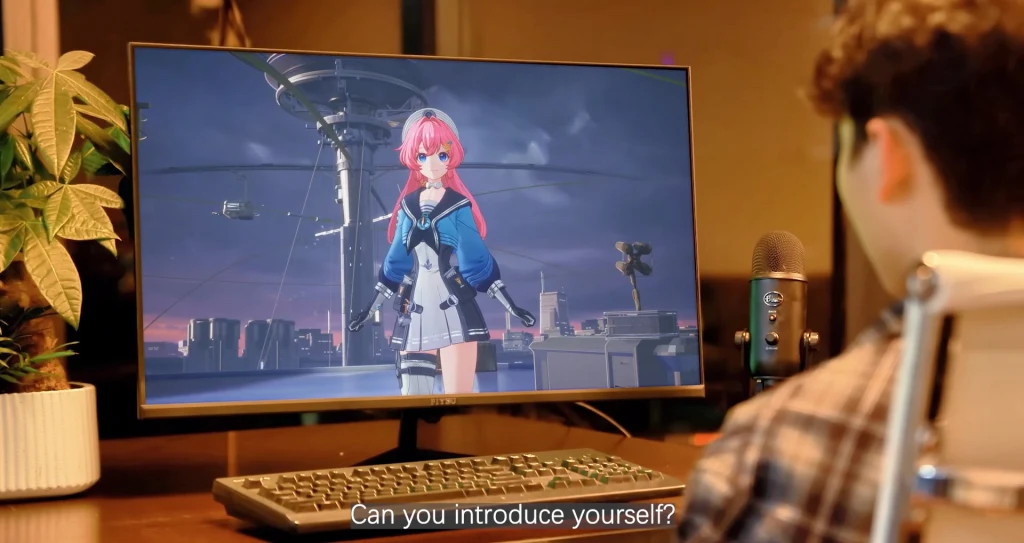
In today’s first Top Story, I look at how game developers in Asia are embracing generative AI as a behind-the-scenes tool. While Western studios are treading carefully, nearly all developers in China and South Korea are using AI somewhere in their pipeline.
But one thing they can all agree on is that AI won’t magically improve the quality of games.
It has, however, been a boon for IDN, which is regarded by some as the BuzzFeed of Indonesia. AI could bolster the firm’s recent push in its microdrama segment.
The company recorded its seventh straight profitable year, as detailed in our second leading story.
Whether it’s hacking through monsters in an action adventure game or binging on cliched love stories delivered through bite-sized episodes, you can be sure AI is going to have some part to play.
Glenn Kaonang, journalist
Top Stories
1️⃣ Game developers embrace AI, but not for reasons you’d expect
Let us know how you’re building with AI stacks
Trending news





Stay updated on the go with our mobile app.
Get latest insights with smoother, more personalized experience through TIA mobile app.