By Valerie Tan, head of digital marketing (global) at Dropmyemail
It’s undeniable that marketing in B2C and B2B companies have fundamental differences.
One example is purchase motivation. In B2C businesses, the buyer is typically the end user, but that is not the case in B2B setups. This leads to vastly different sales cycles and marketing messaging.
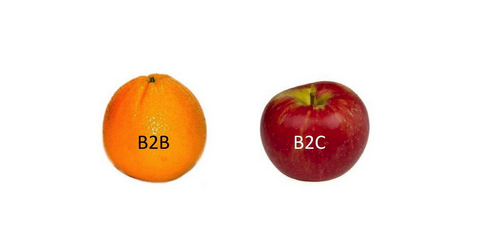
B2C requires the traditional approach of convincing the user on the benefits of owning the product. It usually involves mass messaging and a single step to minimize e-commerce drop-off.
Meanwhile, the purchasing process in B2B is much longer, requiring several consultative discussions and sometimes bespoke work that lasts many months. The B2B approach is also more complex due to having multiple consideration parties (end users, influencers, and decision makers).
But while B2C and B2C marketing may look vastly different, both involve the same basic concepts: Branding and Simplicity.
Branding
A branding vehicle is any channel across Paid, Owned and Earned Media that brings your brand into contact with the user.
In the B2B model, maintaining communication and building trust is equally important. Your brand representative needs to be client-centric. The focus on the clients’ business requires in-depth understanding of their needs and servicing them in a prompt, timely manner.
While brand loyalty and customer retention are ultimate goals, customer value could grow over time as maintaining current customer satisfaction would lead to repeat sales and possibly subsequent transactions of higher monetary value. More revenue can be generated from integrating new products.
To illustrate my point, let’s look at Apple. Of all the users of computer operating systems around the world, over 90 percent are on PC while only around 8 percent are on a Mac. Even in the smartphone world, Android phones outnumber iOS phones two-to-one. Yet although Apple products are not the most widely used, the brand has been consistently ranked in the top 3 by Interbrand.
I’m sure everyone knows of someone who is an ardent Mac fan (affectionately called MacEvangelist) who would NEVER EVER go back to a PC and will argue fervently with anyone who isn’t a Mac convert. The same people will stay loyal to Apple iPhones even after the Maps gaffe or even when the new iPhone/iPad becomes old after a mere 6 months.
Apple has created a cult following in its philosophy of innovation, design and quality — Mac, iMac, iPod, iPhone, iTunes, iPad, just to name a few. Since the ‘80s, Apple has successfully challenged the status quo in computers, followed by the ‘90s in mp3 players, ‘00s in mobile phones, ‘10s in digital music, tablets and beyond. Under the guidance of icon Steve Jobs, Apple has always churned out revolutionary products that changed the world.





Stay updated on the go with our mobile app.
Get latest insights with smoother, more personalized experience through TIA mobile app.