 Eric Ng · · 3 min read
This Bill Gates-backed startup can screen for cancer using blood, urine samples
A Hong Kong biotechnology startup claims to have come up with a new procedure that could dramatically improve the efficiency and lower the cost of cancer screening.
Phase Scientific International has developed a new way of preparing samples for liquid biopsy, a diagnostic screening tool to detect cancer cells or their DNA fragments in fluids such as blood and urine.
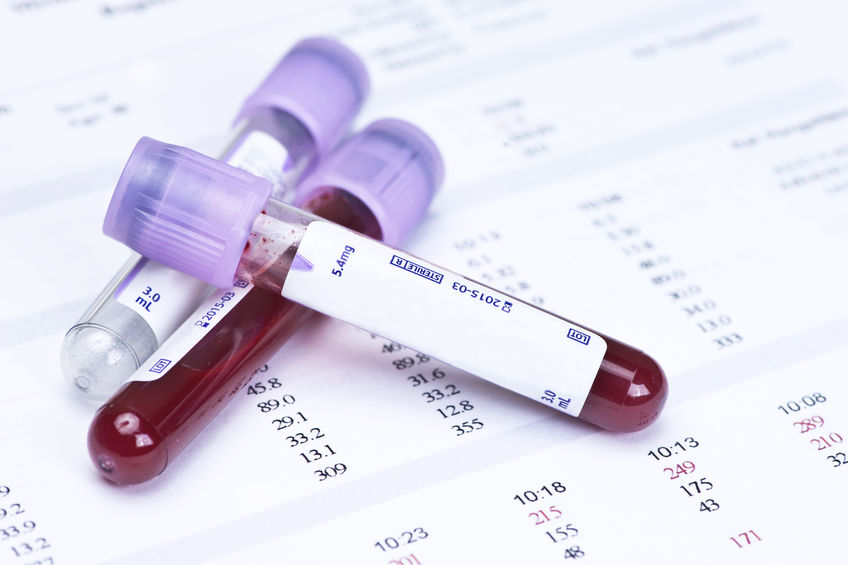
Photo credit: Sherry Yates Young / 123RF
In the short to medium term, the nascent technique of liquid biopsy could allow doctors to more accurately monitor a tumor’s progress and its response to drugs, without the need to obtain a tissue sample – an invasive, costly, and time-consuming procedure.
This would also be helpful for detecting relapses in patients who had undergone treatment to remove or shrink tumors to the point that they are undetectable by magnetic resonance imaging (MRI) scans, which carry the risk of exposing patients to radiation.
In the longer term, researchers hope liquid biopsy can be used to test asymptomatic populations – people showing no symptoms – for different types of cancer to achieve early detection and increase the odds of successful treatment.
“The potential of [blood cancer cells capturing] as an aid to cancer management was limited by the low abundance of the cells, detecting and counting them has been compared to finding a needle in a haystack,” wrote Peter Charlish, a retired editor, in life sciences publication In Vivo.
“Companies have been trying to come up with methods to capture enough of the target cells and maintain their integrity for identification.”
Ricky Chiu Yin-to, who founded Kwun Tong-based Phase Scientific International in 2012, claims it has developed a sample preparation method that would address just that.
He said the method has been shown in around two dozens of blood samples to be able to capture 4x more DNA fragments than the current industry “gold standard” – the sample preparation kit of Germany-based Qiagen, which last year booked just over US$1 billion in sales.
The method also contains reagents that can separate fragments that belong to cancer cells from those of healthy cells, he claimed.
Chiu said Phase Scientific has been asked by professors at the University of Texas’ MD Anderson Cancer Center – one of the world’s top cancer hospitals – to demonstrate his claims in over 100 samples, with the results expected in a few months.
“[The current gold standard] is a bit like having a whole library of books and one has to go through each word to find out whether there was a spelling error […] our technology can siphon out until there are only certain pages that need to be checked,” he said. The method could lower the cost and enhance the efficiency of DNA tests, he added.
Since its inception, Phase Scientific has raised just over US$12 million from backers including the Bill and Melinda Gates Foundation, US governmental agencies the National Science Foundation and National Institute of Health, and Joseph Tam, founder of Hong Kong-based test laboratory DiagCor Bioscience.





Stay updated on the go with our mobile app.
Get latest insights with smoother, more personalized experience through TIA mobile app.









📅 Upcoming Events
22 October 2026
Payoneer x CSPN Summit 2026