- Premium Content It takes our newsroom weeks - if not months - to investigate and produce stories for our premium content. You can’t find them anywhere else.
 KC Calpo · · 7 min read
How the Zalora Mafia helped create Southeast Asia’s startup scene
While the past decade saw the birth of many tech startups in Southeast Asia, it could be considered a different era, especially for ecommerce. Shopping online wasn’t commonplace then, and ecommerce transactions were done via blogs, forums, and social networks.
That is until German startup incubator Rocket Internet set its sights on Asia, launching several ecommerce businesses in quick succession including fashion e-tailer Zalora back in 2012.

Photo credit: Zalora
Following in the footsteps of its ex-corporate sibling and current rival Lazada, Zalora is now a top fashion platform across six Asian markets. And like Lazada and National University of Singapore’s Overseas College program, Zalora has produced a long line of entrepreneurs and executives in its short history.
Move fast, hire fast
From the beginning, Rocket’s plan was to replicate its business model in Asia: build and roll out clones of their Western ecommerce websites within a relatively short time frame.
The incubator went on a hiring spree in 2012, scouting from the same management, consulting, and financial talent pools and asking its employees to recruit former colleagues. For high-ranking prospects, it sweetened the deal by offering “co-founder” job titles.
These strategies helped attract droves of talent with similar profiles and work ethics. When Matteo Sutto, Zalora’s former director of marketing, joined the company six months after its launch, Rocket had already hired more than 1,000 employees throughout the region. “They gave you the chance to experience the whole startup movement, but with a pretty nice salary especially for startup standards,” he tells Tech in Asia.
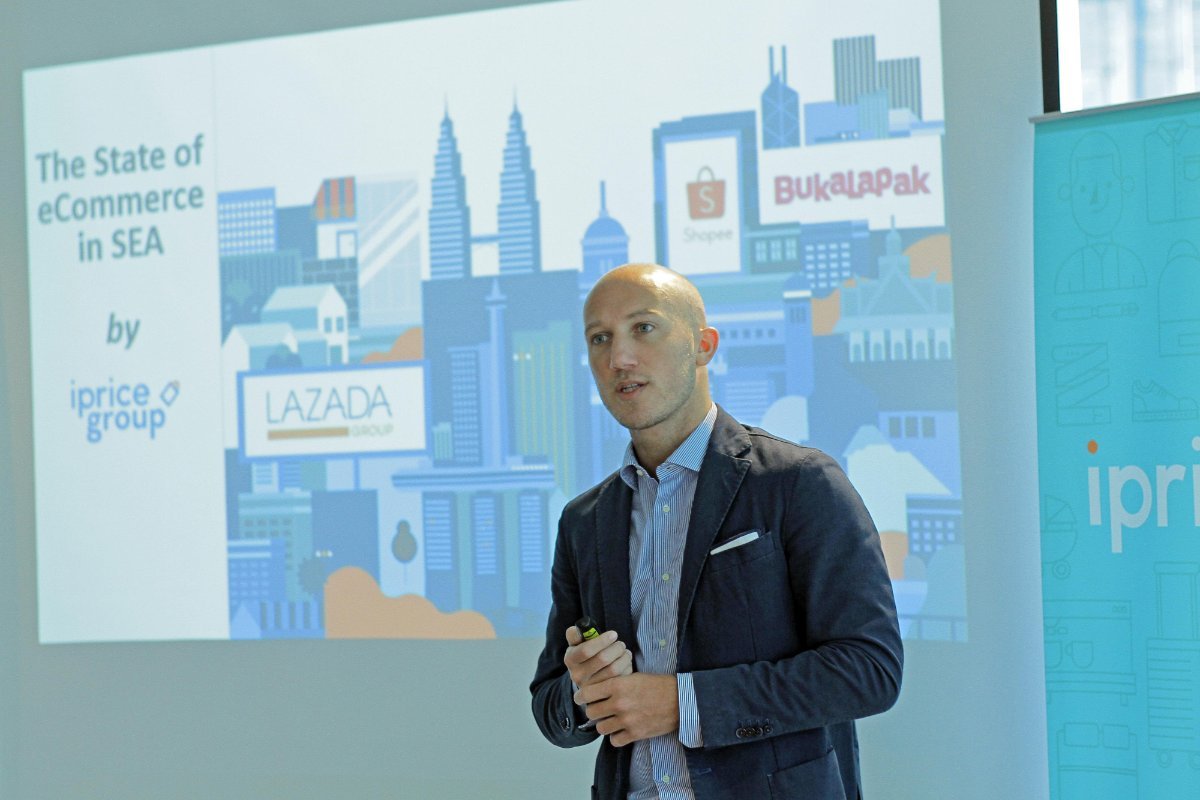
Matteo Sutto, CEO of Revou
Zalora co-founder Arne Jeroschewski estimates that there were 28 local and regional co-founders in the firm’s early stages, and that more than 50% of the teams he previously worked with at McKinsey & Company in Singapore joined Rocket.
The first set of co-founder hires consisted of aspiring entrepreneurs with related professional goals and a desire for change. For instance, Jeroschewski was drawn by the appeal of tech companies and the urge to future-proof his career. Sutto wanted to leave Italy and work in fast-growing, emerging markets to prepare himself for his next startup.
This created a distinctive environment that had both corporate and startup characteristics.
Being a Zalora co-founder “was a low-risk move into the tech and entrepreneurship environment,” Jeroschewski says. “It was essentially a no-brainer for anyone given the opportunity to do so.”
Spend money to make money
This opportunity also came with a nice salary. Zalora could offer that because, like its other Rocket siblings, it was flush with investor cash, having raised hundreds of millions in US dollars.
Not just sunshine and rainbows
More Zalora alumni
Nadiem Makarim
Henry Chan, Joel Leong, Shanru Lai, and Josephine Chow
Peter Kopitz
Michele Ferrario
Christopher Feng
Terence Pang
Steven Kim
Dione Song
Reto Peter
Razi Thalib
Stay ahead in Asia’s tech landscape
This is premium content. Subscribe to read the full story.
The fashion e-tailer that Rocket Internet built has become a launchpad for founders and other up-and-comers in the region’s tech ecosystem.
We know this is not ideal. ⌛ Sign up in 20 seconds. Cancel anytime.
Our subscriber community includes professionals from these companies:





Stay updated on the go with our mobile app.
Get latest insights with smoother, more personalized experience through TIA mobile app.