- Premium Content It takes our newsroom weeks - if not months - to investigate and produce stories for our premium content. You can’t find them anywhere else.
 Melissa Goh · · 5 min read
Can SEA catch up to open banking in the West?
When open banking regulations came into effect in the UK in 2018, it brought about a range of new financial services.
Under the new framework, big banks are required to share customer data with third-party firms through APIs, provided customers consented.
Players like Starlink Bank, Revolut, and Monzo took advantage of the new rules to introduce new products and services. Firms like Plaid and Tink, which handle API integrations, were built on this framework.
Years later, Southeast Asia is catching up.
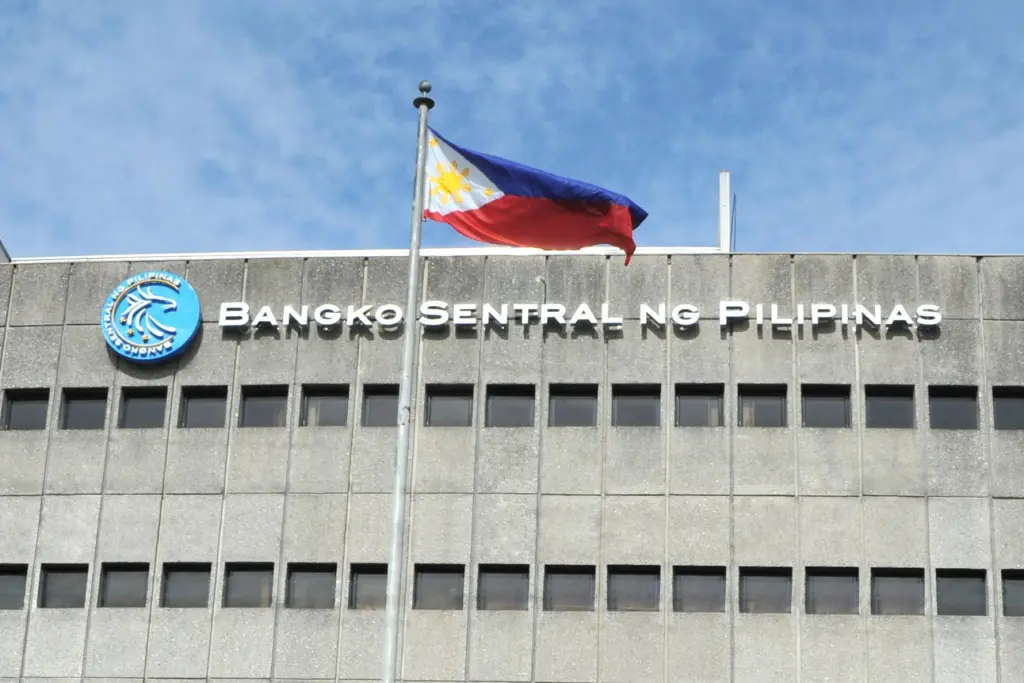
Photo credit: Bangko Sentral ng Pilipinas
Last week, the Bangko Sentral ng Pilipinas (BSP), the Philippines’ central bank, invited BSP-supervised financial institutions and third-party providers to participate in a standards consultation for the Philippine Open Finance pilot, joining countries like Singapore and Indonesia that have launched their own open banking frameworks.
Boosting competition and innovation
Open banking is the sharing of customer data – past transactions, account balances, incomes – to third parties via APIs. In theory, this benefits third-party firms, consumers, and the financial services industry as a whole by encouraging competition and innovation.
One such example is dashboards that allow people to view a snapshot of their finances across various platforms, enabling them to make decisions on the basis of this big-picture view of their overall financial situation. Another is the ease of applying for loans without the need to submit statements or other documents by accessing data that is already available elsewhere. These seemingly small changes could lead to a huge improvement in user experience.
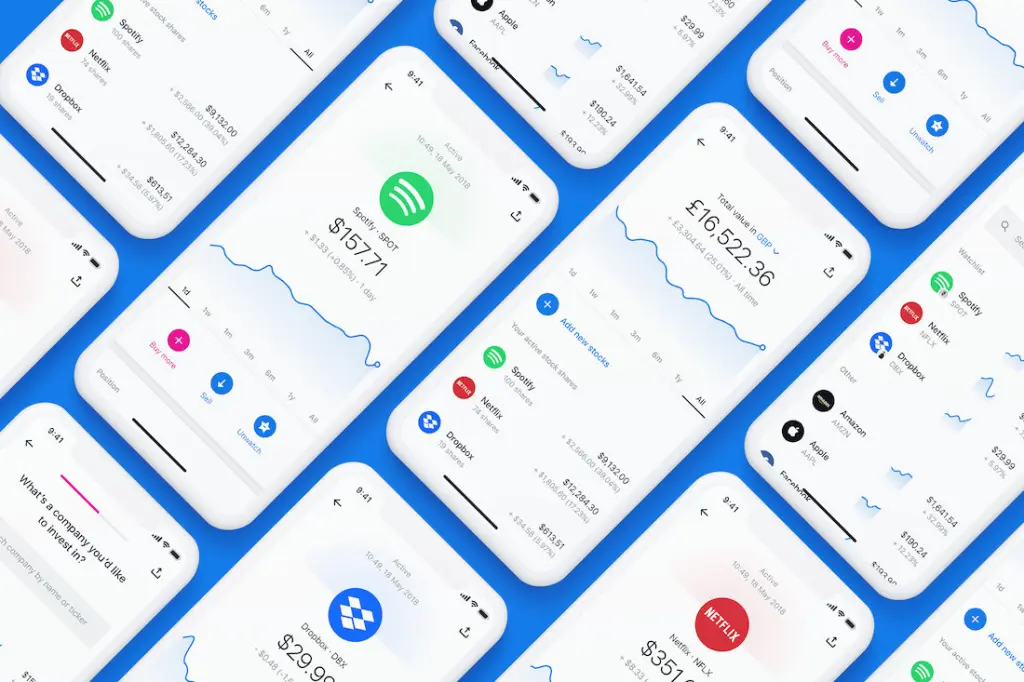
Photo credit: Revolut
Online lending platforms, meanwhile, can access a wider pool of data to more accurately credit-score potential borrowers. Businesses running on subscription fees can initiate recurring payments from customers’ bank accounts so they don’t have to do so manually each month, driving down collection costs.
In the UK, newfound access to data also birthed startups like TrueLayer, Credit Kudos, and Plum – a money management app that calculates a personalized amount to save each week, based on an individual’s spending patterns.
Here in Southeast Asia, where such data sharing isn’t yet mandated by governments, the practice continues to be met with resistance from incumbents who see themselves as gatekeepers of customer data. That’s despite several open banking players operating in the region since 2019, including Jakarta-based Ayoconnect and Finantier as well as Singapore-headquartered Brankas.
The lack of open banking regulation “definitely does slow down the development of neobanking models or fintech models that utilize any sort of information [and] need to send or receive payments in general,” Aspire CEO Andrea Baronchelli said in a panel discussion last year.
Baby steps
Slow adoption and other roadblocks
Stay ahead in Asia’s tech landscape
This is premium content. Subscribe to read the full story.
The Philippines has begun consultations to pilot an open banking framework. But it may be years before locals can experience its benefits.
We know this is not ideal. ⌛ Sign up in 20 seconds. Cancel anytime.
Our subscriber community includes professionals from these companies:





Stay updated on the go with our mobile app.
Get latest insights with smoother, more personalized experience through TIA mobile app.