- Premium Content It takes our newsroom weeks - if not months - to investigate and produce stories for our premium content. You can’t find them anywhere else.
 Samreen Ahmad · · 8 min read
The decade of D2C has just begun in India
In 1995, a Kashmiri apparel seller would have had to go door to door in order to sell his handmade embroidered shawls, dress materials, and stoles. He would have wrapped all his wares in a large red checked bedsheet and then carried that bundle on his back like a rucksack.
This may very well have been the first direct-to-consumer (D2C) business model in India. Craftsmen from different states would visit houses in far-off places and sold their merchandise to customers themselves – no need for middlemen.
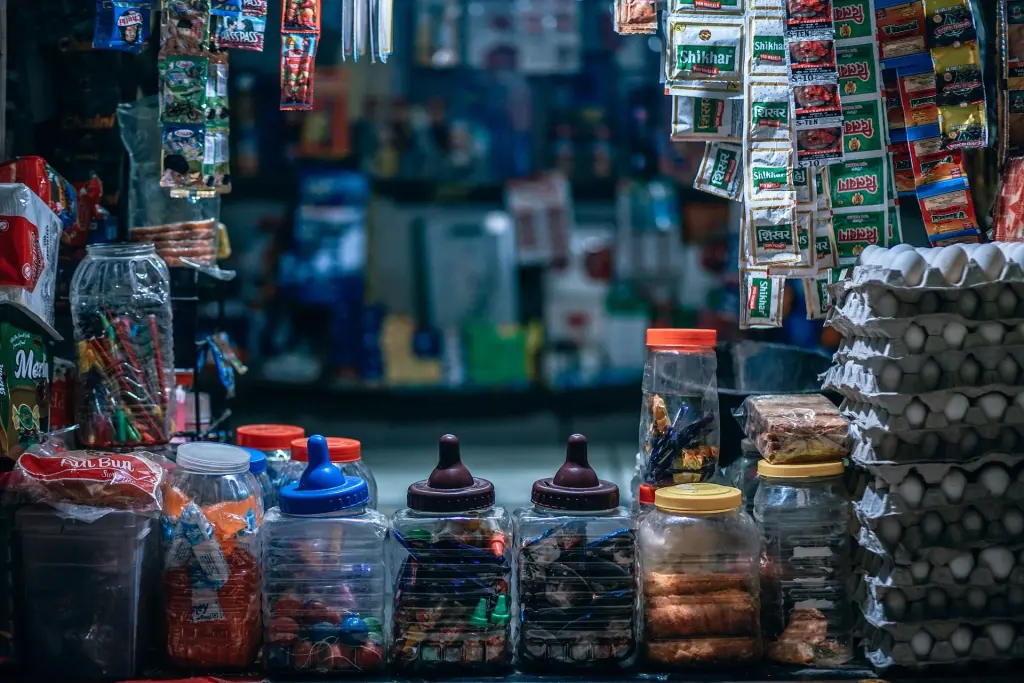
Photo credit: Pixabay
Fast forward to today, and the D2C model in the country has witnessed a recent boom in investment. Consumer brands have been raking in hundreds of millions of dollars from venture capital firm Sequoia and Singapore’s state-owned Temasek, among other global investors.
Of course, sellers don’t have to knock on customers’ doors in the age of the internet.
Just like shoppers in Southeast Asia, Indian consumers can now explore well-known brands from anywhere and at any time, as 47% of the country’s 1.37 billion population has an internet connection.
What’s behind this phenomenon and how is it different than the D2C gold rush in Indonesia, which Tech in Asia previously chronicled here?
Million-dollar babies
So far, more than US$1.2 billion has flowed into India’s D2C brands this year alone, according to data tracked by Venture Intelligence.
Moreover, India’s D2C market is poised to reach US$100 billion by 2025, according to a 2020 report from Avendus Capital, an India-headquartered financial services firm, which also predicts that the country will have 200 million online shoppers by then.
The nation’s D2C brands have also benefited from a wave of improved logistics infrastructure, online payment services, and a growing middle class.
For instance, Indian fashion D2C brand Bewakoof rolled out a special collection in June to commemorate Pride Month. The startup said it sold a million articles of clothing, including t-shirts, joggers, vests, and shorts in just five days through its website.
This feat would have been unimaginable for an Indian firm a few years ago. Bewakoof has no physical stores, but it was able to reach 10 million users, thanks to a mushrooming digital ecosystem.
A bet on sustainable models
Tapping into the white spaces
Joining the unicorn party
What lies ahead
Stay ahead in Asia’s tech landscape
This is premium content. Subscribe to read the full story.
With consumers ready to experiment and spend on branded goods, direct-to-consumer businesses in India have an opportunity like never before.
We know this is not ideal. ⌛ Sign up in 20 seconds. Cancel anytime.
Our subscriber community includes professionals from these companies:





Stay updated on the go with our mobile app.
Get latest insights with smoother, more personalized experience through TIA mobile app.