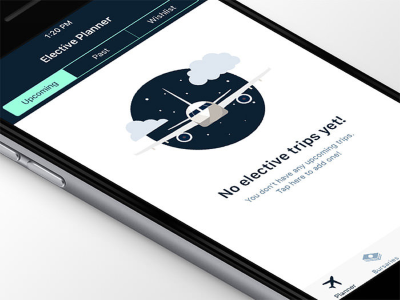
Photo credit: Zia Aliyev
The average app loses 77 percent of its daily active users within the first 3 days post-install. What’s worse: within 30 days, approximately 80 percent of daily active users are gone.
Are these low retention rates a result of poorly made apps? Not always.
Users try out a lot of apps but decide which ones they want to delete within the first few days. The key to success is to get the users hooked during that critical period.
Your task is ensuring the user sticks around long enough and takes enough actions to enjoy your app. But before that happen they should enjoy a first use.
The power of first impressions
We normally design for a populated interface where everything in the layout looks well arranged. An empty state is the thing you usually design last. But empty states are actually full of potential to drive engagement. Even if it’s meant to be just a temporary stage, we must respect its communication value for users.
When do users encounter empty states?
- First use: App first launch
- Errors: Runs into some issue
- User cleared: When clearing the content
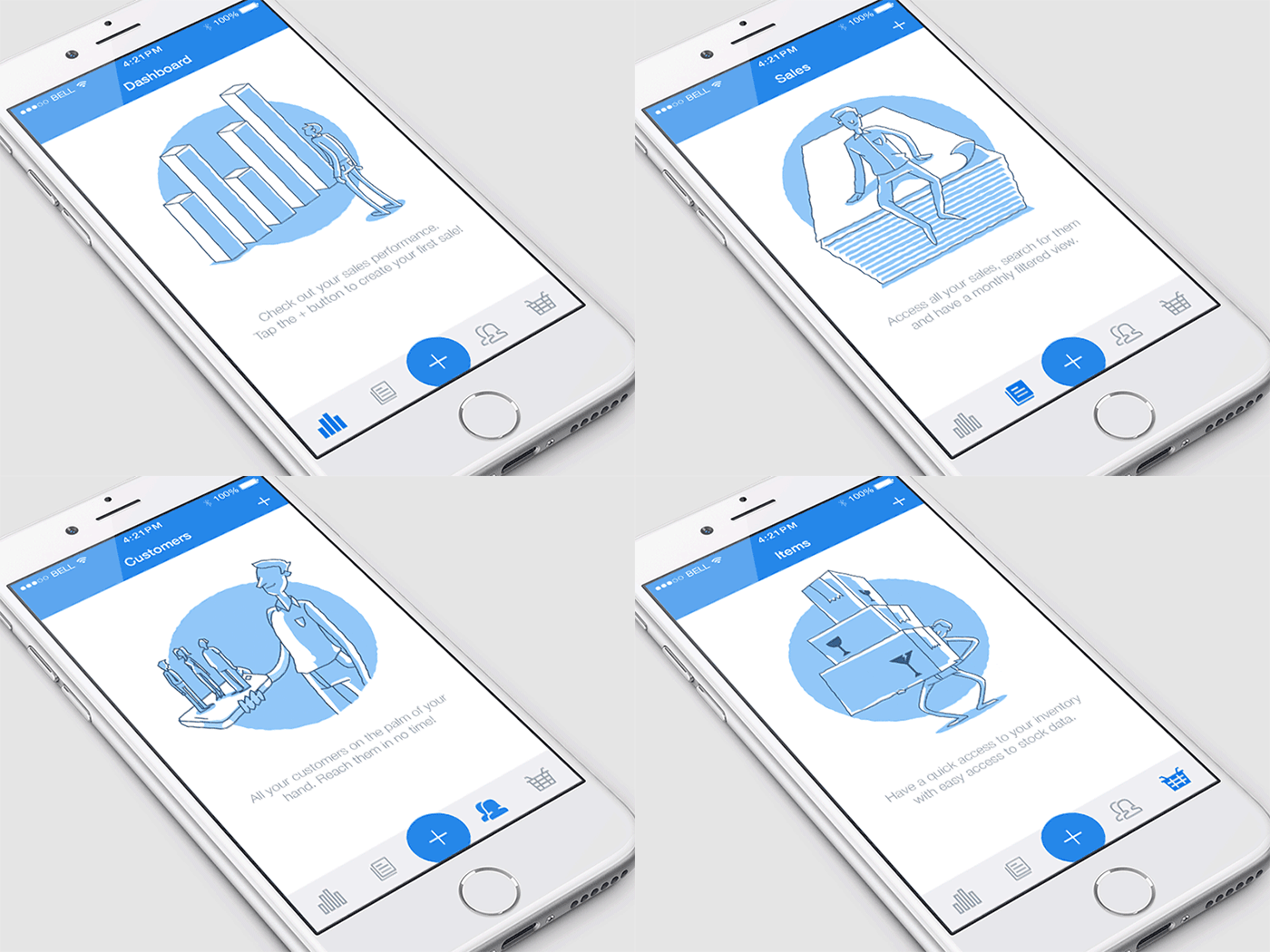
The purpose of a blank slate is more than a just decoration. Besides informing the user about what content to expect on the page, empty states also act as part of a cohesive onboarding experience — they tell users exactly actions are required so the app will function as promised. Also empty state is extremely good (or bad) when user runs into an issue.
A successful screen accomplishes these three goals:
- Educate and help
- Delight user
- Prompt action
Educate and help your user
The first goal with an empty state is to teach people how to use your app. If they don’t understand the functionality, they’ll bail. So you should help them get comfortable by setting expectations for what’ll happen.
Conclusion





Stay updated on the go with our mobile app.
Get latest insights with smoother, more personalized experience through TIA mobile app.