 C. Custer · · 2 min read
Chinese authorites clamp down on Tianjin explosion tweets
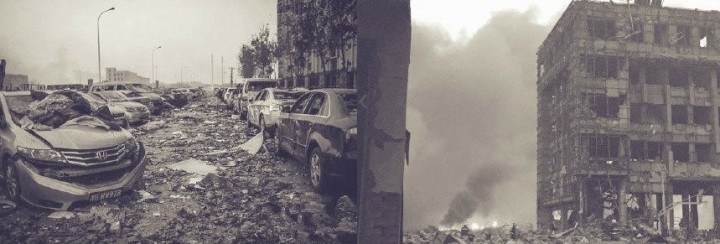
As China and the world continue to struggle with the enormity and the tragedy of the blast in Tianjin that claimed the lives of dozens on Wednesday night, censors on China’s social networks are at their desks, scrubbing ‘unhealthy’ messages from China’s web.
Reporting and discussion of the Tianjin explosion is not completely censored – in fact, far from it. At the moment, “Tianjin explosion truth” is one of the top trending terms on Sina Weibo. But specific messages and images are being scrubbed from Weibo (and other social networks). And although it’s calls to action that are often most likely to get the axe on Weibo, what’s being deleted right now is primarily information.
One of the most-deleted posts is a tweet from the respected Caijing magazine, citing an interview with a firefighter who said that no one at the scene was told there were dangerous chemicals that wouldn’t react well with water. This was reposted nearly 10,000 times before being deleted. Numerous other posts relating to sodium cyanide – which produces toxic, flammable hydrogen cyanide gas when combined with water – are also being deleted, as are some posts citing a Beijing News report that sodium cyanide has leaked into Tianjin’s sewer system.
Another viral target for Weibo’s censors is this image (NSFW), which has been reposted hundreds of times. The image’s authenticity is impossible to confirm, but it appears to show dozens of bodies on a single street corner following the blast. Messages accompanying it have often questioned the official death toll, which users think must be too low given the apparent carnage in such a small area. Update: China’s censors deserve some credit for this one – the image is confirmed fake. It’s actually from a clever (though somewhat gruesome) Airtel advertisement.
This pattern of censorship is not unusual on Chinese social media following a national-scale disaster like the Tianjin event. At present, undisputed facts about the explosion are few and far between, so it’s difficult to say whether China’s censors are weeding out potentially harmful and inaccurate rumors or genuinely hiding aspects of the truth. But if nothing else, this relatively swift response shows that China’s social media censors have learned a lot in the four years since a high-profile train wreck turned into a social media PR disaster for the Chinese government.
Update 2: China Digital Times reports that government authorities have issued instructions forbidding media workers from making personal Weibo and Wechat posts about the explosion. More details on their site.





Stay updated on the go with our mobile app.
Get latest insights with smoother, more personalized experience through TIA mobile app.









