 Kylee McIntyre · · 5 min read
Meet the doctor turned inventor who wants to make India’s healthcare accessible
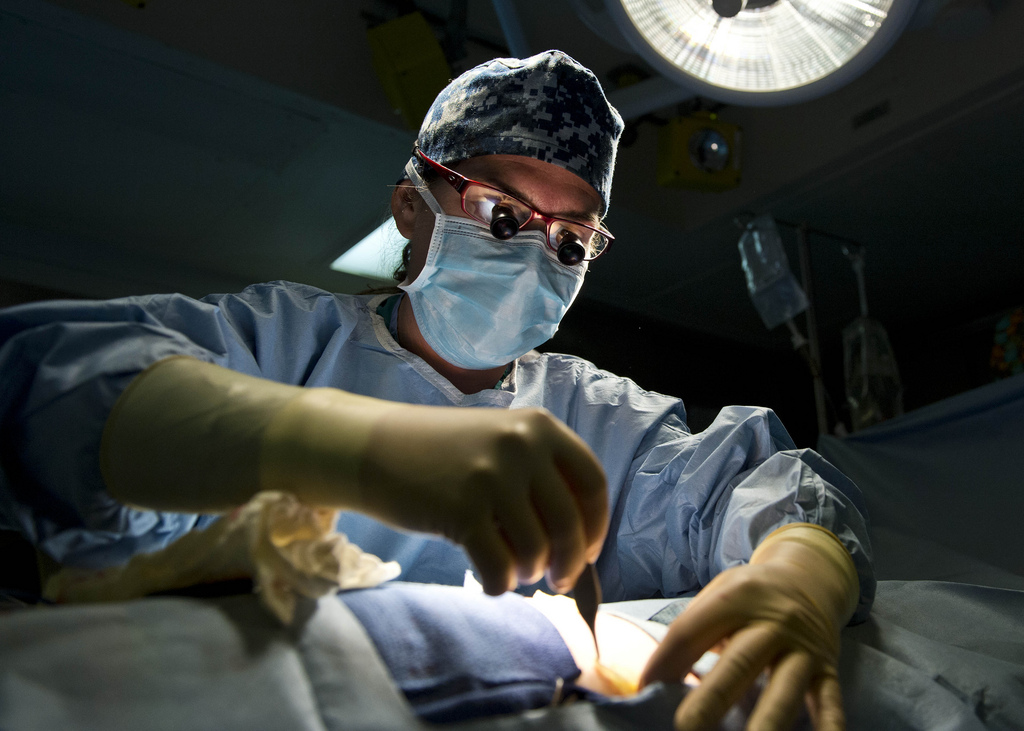
Photo credit: U.S. Pacific Fleet.
A huge problem facing today’s tech is making its benefits available and accessible for everyone, including those who may not live in big cities or bring in a handsome salary.
In India, this problem is particularly pertinent because there’s only one doctor for every 1,700 patients. The World Health Organization suggests having one doctor for every 1,000. Every government hospital in the country serves an estimated 61,000 Indians, with an estimated one bed for every 1,833 people.

Dr. Jagdish Chaturvedi.
I did not intend to be an innovator or entrepreneur.
“I did not intend to be an innovator or entrepreneur,” he tells Tech in Asia.
About five years ago, he had a lot of patients coming in with throat cancer that wasn’t detected early on because the patients were living in rural or underserved regions. Jagdish had a research-oriented boss who encouraged him to figure out the problem. It turned out that doctors were misdiagnosing their patients due to lack of equipment.
Why, he thought, in 2010, do doctors have to use outdated devices?
He was sitting in his office when he took a camera off his shelf and attached it to an endoscope, a medical device used to examine inside an organ or the body. He found that the picture quality was the same as more expensive solutions.
Inspired, he applied to take part in Stanford-India Biodesign, an Indian government-funded venture between Stanford, IIT-Delhi, the All India Institute of Medical Sciences in partnership with the Indo-US Science & Technology Forum. It focused on training selected candidates in technological innovation. From there, he came back and began to invent.
Medtech needs more active doctors
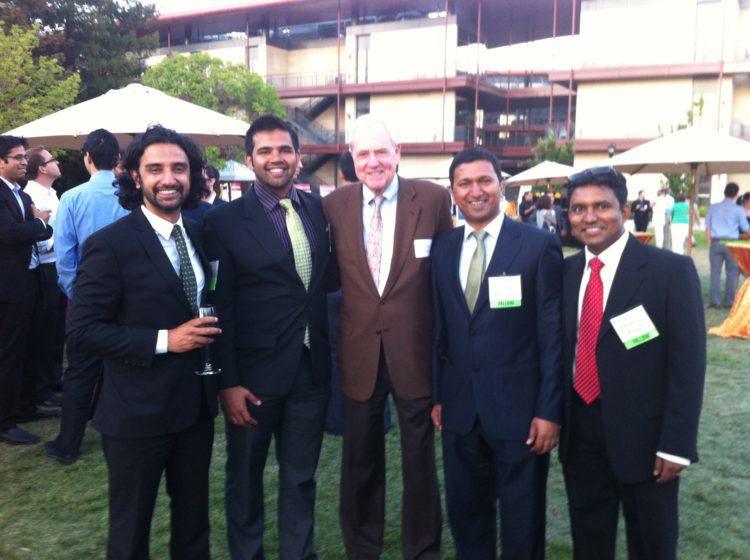
Jagdish and his team with with Dr. Rodney Perkins at Stanford.
The immediate issue





Stay updated on the go with our mobile app.
Get latest insights with smoother, more personalized experience through TIA mobile app.









📅 Upcoming Events
22 October 2026
Payoneer x CSPN Summit 2026