 Nivedita Bhattacharjee · · 6 min read
Why tech fixes are not the answer to India’s developing world problems
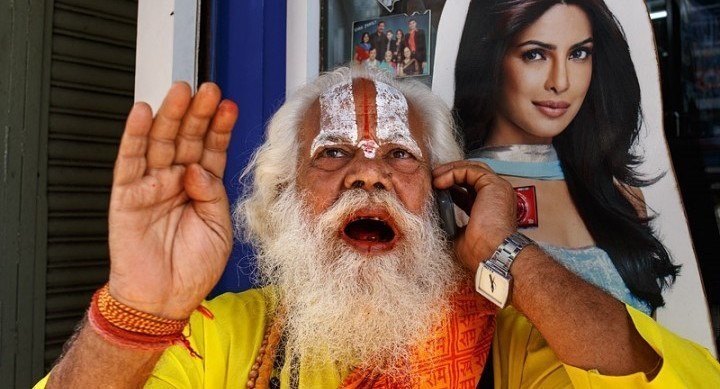
Photo by Maciej Dakowicz
Long seen as lone crusaders fighting against established businesses, staid government policies, and an unhelpful ecosystem, Indian startups can now expect the government to back them up and help them grow, right from tax breaks to cutting through the country’s notorious red tape.
There’s been a failure to supply basic services to people like healthcare, electricity, and education.
And with good reason. The country is the birthplace of successful unicorns, including Flipkart, Ola, Zomato, and InMobi, which are holding their own against global giants like Amazon, Facebook, and Uber.
The industry has boosted a long-missing spirit of entrepreneurship in the country and made life easier for urban Indians, who can now avoid unsafe public transport by calling for a cab through an app, avoid cheating grocers at local bazaars by using delivery startups, or get medical counsel from doctors when none are free to see you. Kids can even get help for homework over the web.
Shouldn’t a healthy tech startup ecosystem then be the answer to all developing world problems?
The answer is, no. Rather, it can’t. Here’s why.
The Indian government’s failure to supply basic services like healthcare, electricity, and education to its 1.2 billion citizens is at odds with India’s army of high tech coders and IT professionals who are among the country’s most recognizable faces. Some of them have gone on to head global tech giants like Google.
Entrepreneurs, combining a get-things-done instinct with business acumen, are making the country a hotbed of startups that want to improve society where governments have fallen short.
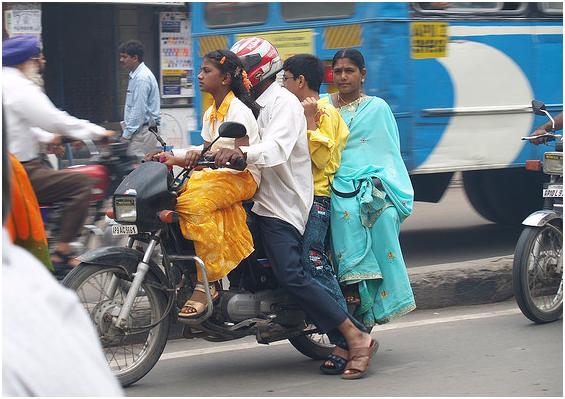
Unregulated traffic causes deaths and accidents. Photo credit: Wikipedia.
India has less than one doctor for every 1,000 people, according to the World Bank. In 2012, a study showed that New Delhi effectively had half a bus for each 1,000 of the capital’s inhabitants, and the average primary school teacher in the country is in charge of 35 students, compared to just 17 in China.
That, then, is the scale of the problem at hand.
Trick or treat?
There is nothing wrong with encouraging a new industry, especially one that puts the country on the global map. However, encouragement should not overpower common sense.Boom, for whom?
“Education is not like taxis or ecommerce – it will only show results in ten years,” said Srikanth Chunduri, an entrepreneur who is part of a team building an educational startup that aims to help primary school goers and teachers.




Stay updated on the go with our mobile app.
Get latest insights with smoother, more personalized experience through TIA mobile app.










📅 Upcoming Events
22 October 2026
Payoneer x CSPN Summit 2026