
Indonesia is on the road toward digital transformation. According to McKinsey, embracing digitalization would help the country reach new levels of economic growth, adding an estimated US$150 billion to its gross domestic product by 2025.
One area that is ripe for digitalization is the fast-moving consumer goods (FMCG) sector, which runs on a fragmented and convoluted supply chain. Several startups have tried to digitalize the sector, but the going has not been easy. Companies have come up against roadblocks like the digital divide and conflicts with incumbent distributors.
That’s why business-to-business FMCG marketplace GudangAda is trying to trod down a different path.
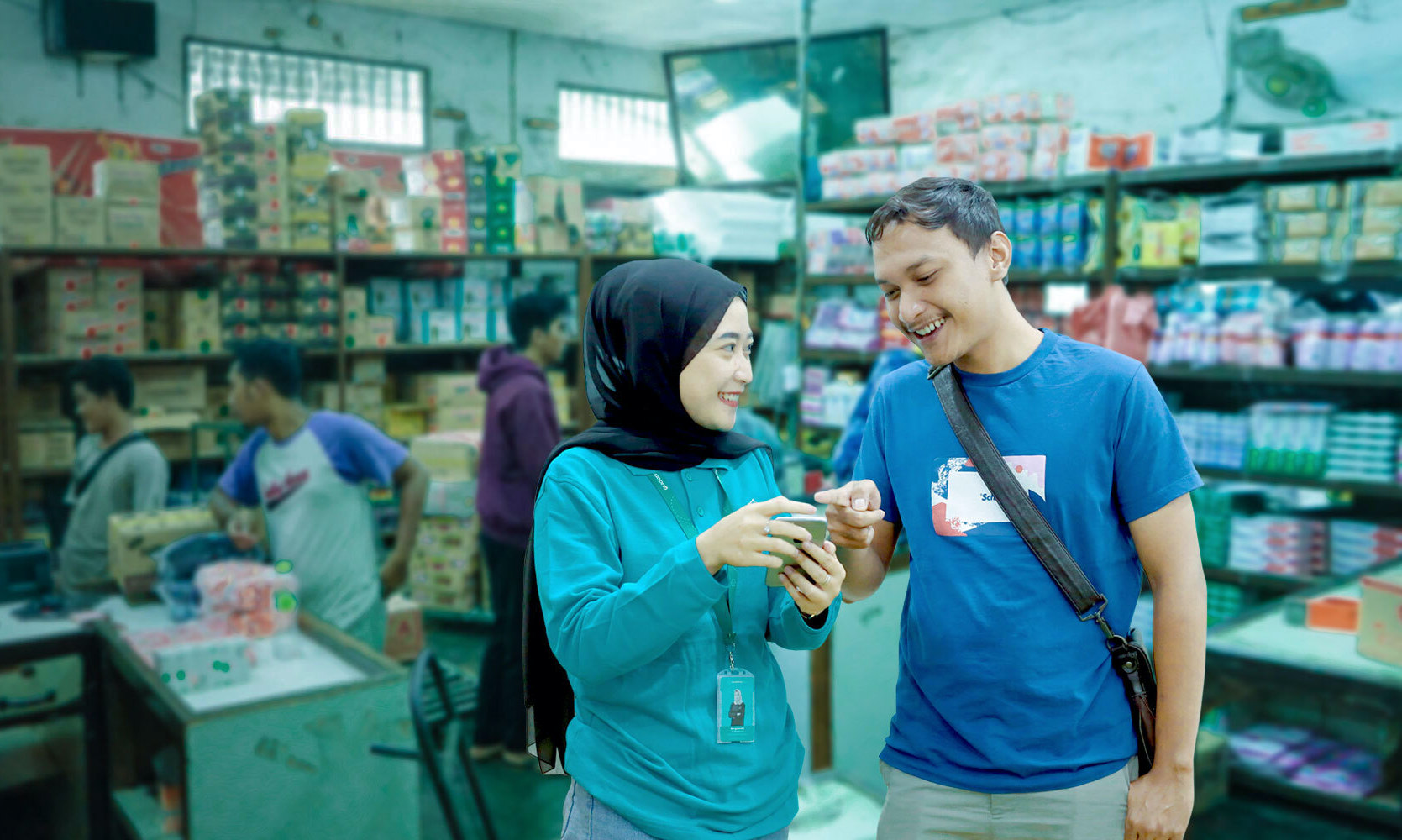
Photo credit: GudangAda
The company, which was founded in 2019, has seen impressive growth, with over 300,000 merchants across 500 cities in Indonesia using its platform. According to GudangAda, it processed US$1 billion in transactions in 12 months as of March 2020 – 2% of the US$50 billion that is transacted in the country’s FMCG space annually. It has also raised US$35.9 million from investors to date.
One of the main reasons the company has been successful is its alternative approach to tackling the challenges in the FMCG supply chain.
A different take
According to Huan Yang, GudangAda’s chief technology officer, GudangAda works as a marketplace where wholesalers can list their products and where retailers can purchase through the app.
This is in contrast to other startups in the space that may take on the role of distributor themselves, inadvertently treading on the toes of existing players.
“We’re not displacing any of the existing industry stakeholders in the FMCG industry,” Huan explains. “We build the tools and the platforms for these stakeholders to run more efficiently.”
And given that a lack of knowledge and awareness is one of the biggest barriers to digitalization in Southeast Asia, GudangAda decided to take what Huan describes as a “combined online-offline approach.”
“Most startups aim to resolve the challenges faced by [the FMCG sector] by focusing only on providing digital solutions for transport and commerce,” says Hansel, senior vice president for business strategy and revenue management at GudangAda. “However, the FMCG market is hard to penetrate as traditional wholesalers and retailers are not familiar with technology and prefer traditional methods of distribution and trading.”
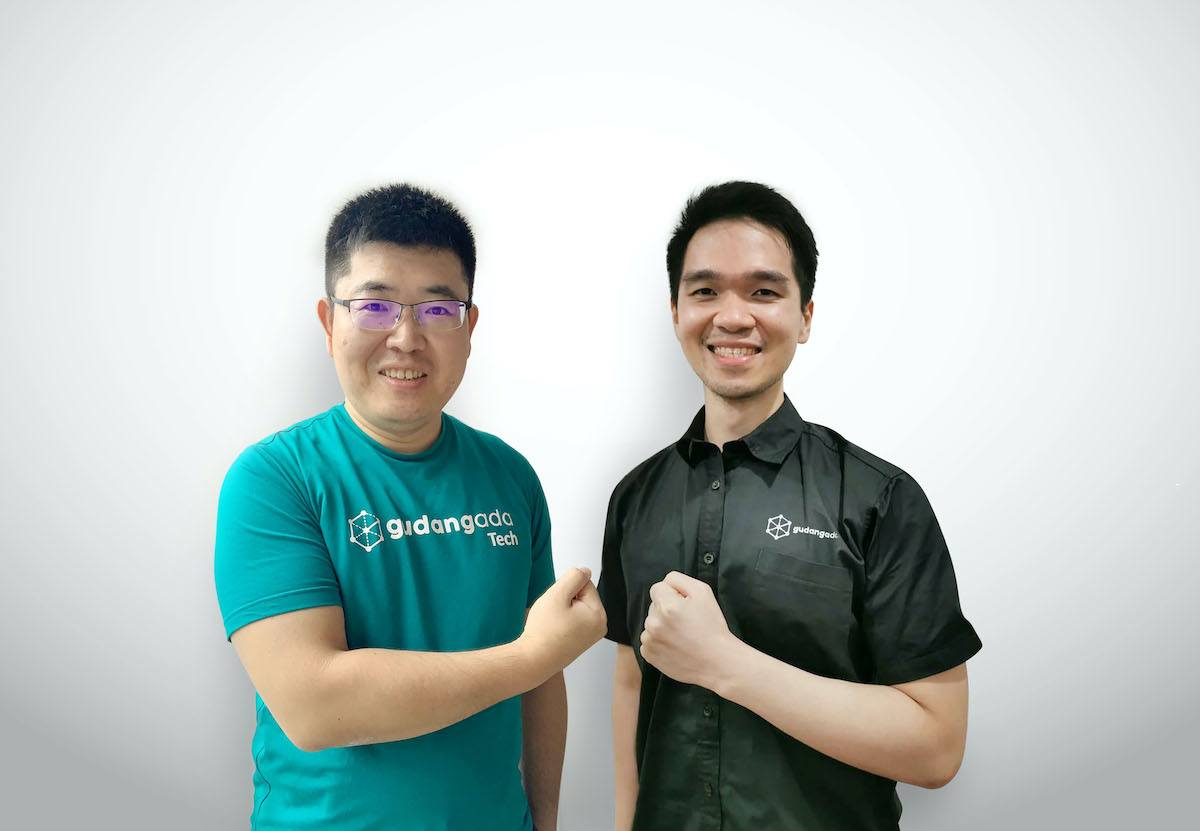
GudangAda’s CTO, Huan Yang, and senior vice president for business strategy and revenue management, Hansel / Photo credit: GudangAda
In response to this, the B2B marketplace also runs a program to educate merchants on the merits of digitalization.
“This process continues even when traders become GudangAda members,” explains Hansel, who goes by one name. The company provides training on business digitization, helping merchants plan shop inventory, conduct faster transactions, and determine the best prices for their goods.
Currently, GudangAda has over 600 people in its business development team spread across more than 500 cities in Indonesia. These team members, who each have experience in the FMCG industry, are focused on merchant education. That means visiting wholesalers and retailers at physical stores to educate them about the platform and answer any queries potential users may have about the product. Having people on the ground helped to increase user trust and engagement, as merchants felt more at ease seeing that there were real humans behind the app, says Hansel.
“This was especially important in the early days when many people were still not familiar with GudangAda,” adds Huan.
Building an ecosystem
Another key aspect of GudangAda’s success so far is its focus on building an ecosystem to support the merchants on its platform – an effort that helps it stand out from other players in the space.
On top of its marketplace services, the platform also incorporates delivery and payment offerings as well as a logistics feature, which was launched in April 2020 after the firm received feedback from merchants that delivery was a particular sticking point.
“Some buyers may have their own vehicle, so they can pick up their orders by themselves, and some sellers may be able to deliver. However, when the seller and buyer both don’t have a vehicle, that’s where it gets difficult,” shares Huan.
In Indonesia, the payment infrastructure is not fully developed yet, so we provide escrow services to help sellers and buyers transact.
The company’s payment services, meanwhile, is an answer to the relative nascence of the digital payments sector in Indonesia, which is a significant barrier to the digitalization of more traditional suppliers and retailers.
“In Indonesia, the payment infrastructure is not fully developed yet, so we provide escrow services to help sellers and buyers transact,” says Huan.
Buyers transfer the funds to GudangAda who hold it in escrow and only transfer it to the seller once the order has been fulfilled, a process that helps alleviate any concerns surrounding fraud.
Having the right people
Behind the company’s growth story also lies the people of GudangAda.
“We can have a great idea regarding our business model, but if we don’t have the right people to execute operations, we can’t go anywhere,” says Huan.
At the head of the table is Stevensang. The founder of the B2B marketplace spent 25 years in the FMCG industry before he started the company, giving him the experience and connections that helped open doors for GudangAda early on.
Huan himself was previously head of engineering at Southeast Asian ride-hailing firm Grab, and Hansel had stints at the Boston Consulting Group and Procter and Gamble before taking on his current role. Each of them brings their own respective experiences in development, engineering, sales, and marketing to enhance GudangAda’s services.
“We have people with knowledge around the traditional FMCG industry and the ecommerce industry, as well as product and technical people,” Huan says. The knowledge-sharing between team members from such different worlds is what enables GudangAda to really build products that address the needs of its customers.
The road ahead
While GudangAda has seen tremendous growth in the two years since its inception, Huan believes that the company still has a ways to go.
“300,000 merchants is not 100%, and we definitely want to increase our market share,” he says. To do so, the company plans on enhancing all its services, including warehouse management, payment services, order inventory, and stock management. That way, different stakeholders in the varying stages of the FMCG supply chain will stand to benefit.
In the coming years, GudangAda also intends on expanding beyond the FMCG segment to include homeware, pharmaceutical, electronics, and other lifestyle consumer goods on its platform.
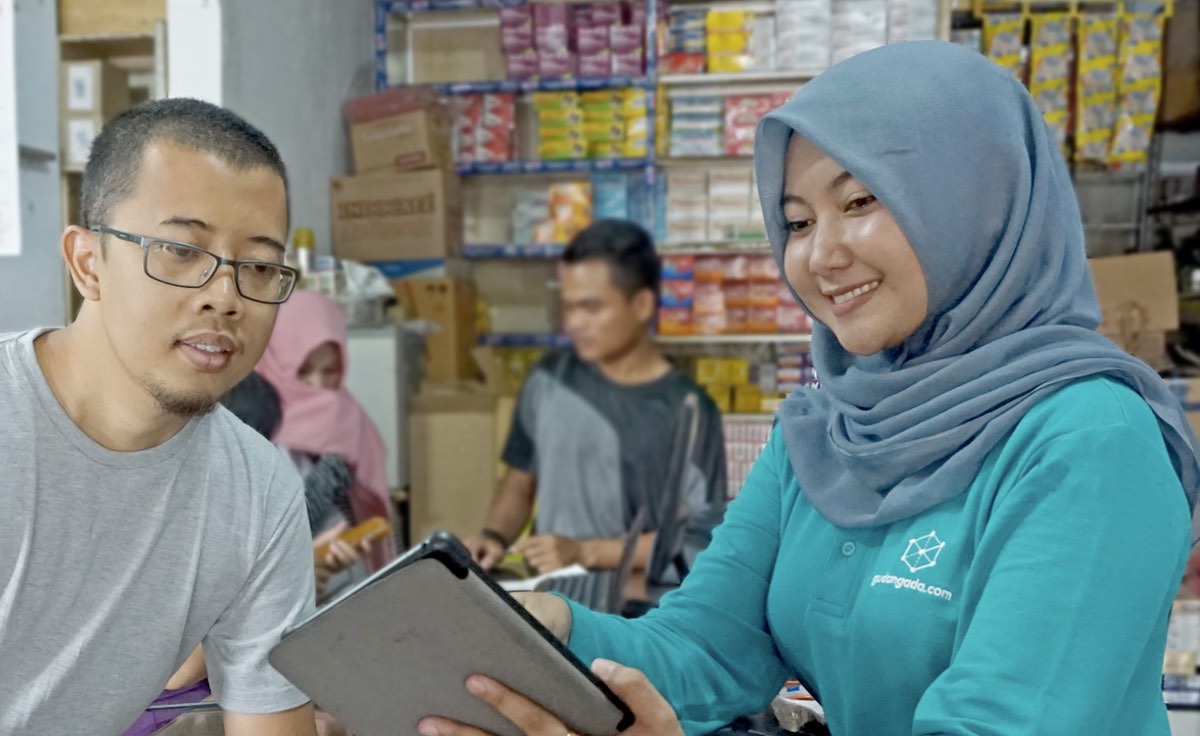
Source: GudangAda
“This would help increase our customer base, as we could onboard an additional 7% to 10% of large Indonesian retailers on our platform,” explains Hansel.
But GudangAda has even more plans. For example, many of the retailers the startup works with are still reliant on pen and paper in order to track transactions and do their bookkeeping. GudangAda could aim to digitize this aspect as well.
And when merchants transact on their platform, the data around their transactions could give them useful insights into their business, such as what their top-selling items are or how much of a certain product they need to keep in stock.
Ultimately, GudangAda wants to address the challenges that merchants encounter across different industries, not just FMCG, and empower them to work more effectively.
“We want to build a very strong technical foundation and product portfolio for our customers to strengthen them and really scale to solve the challenges they face,” says Huan.
GudangAda is a B2B ecommerce platform for FMCG wholesalers, manufacturers, and retail businesses in Indonesia.
Learn more about GudangAda on its website.
This content was produced by Tech in Asia Studios, which connects brands with Asia’s tech community. Learn more about partnering with Tech in Asia Studios.
Stay updated on the go with our mobile app.
Get latest insights with smoother, more personalized experience through TIA mobile app.
Recommended reads
 Indonesian AI startup goes global
 Forrest Li on scaling Sea, building smarter bots, and founder grit
 An AI assistant that joins sales calls and scores team skills
 SGX’s CEO says it doesn’t need a unicorn to win
 SMEs want AI too, but not the kind Big Tech is selling
 Oatside’s alt-milk rise hits a profitable gear
 Alibaba’s financial health in 12 charts
 Asia’s telcos bundle AI into mobile plans. Will it pay off?
 M-Daq chases bigger clients as revenue falls, losses grow
 VC tracker: Accel raises US$3.5b, including US$550m for India





Editing by Nathaniel Fetalvero and Jaclyn Tiu
(And yes, we’re serious about ethics and transparency. More information here.)