C. Custer · · 4 min read
WeChat, Weibo ordered to crack down on viral pollution film ‘Under the Dome,’ but discussion continues
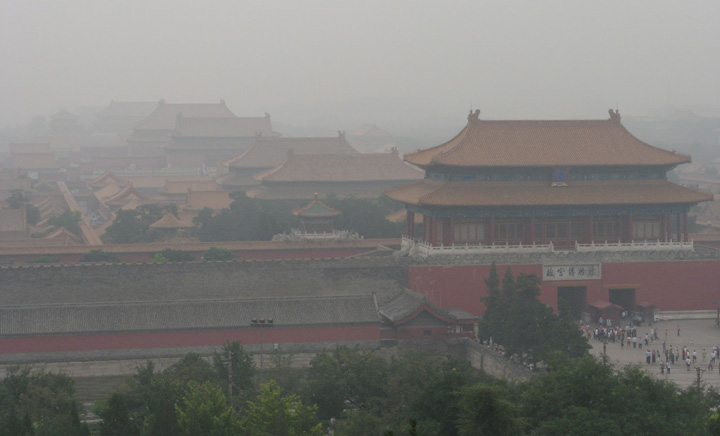
Over the past week, China has been going gaga over pollution. No, the skies aren’t any grayer than usual; the reason is Under the Dome, a documentary about pollution from popular CCTV journalist Chai Jing that hit the web and went viral. The film burned its way through WeChat and Weibo, racking up tens of millions of views in just 24 hours. Now, around a week later, it has already been watched more than 100 million times. (An embedded version of the film is below for those curious about the film’s content, but as of this writing it only has partial English subtitles).
At first, it seemed the government was behind the film. In it, Chai Jing interviews a variety of government officials, and following its release state media outlets like the People’s Daily and the Global Times ran positive articles about the film. But according to the China Digital Times, on Monday Chinese authorities circulated a censorship order (emphasis added):
The News Bureau of the Central Propaganda Department has put forth the following notice: The Two Sessions are about to begin. Media and websites at all levels must in the coming days tightly focus on major developments at the Two Sessions in order to create a favorable atmosphere of public opinion for the representatives’ and committee members’ discussions of national affairs. To prevent the dilution of Two Sessions topics, you must have a firm hold on public discussion and refrain from sensationalizing certain sensitive topics coming from the Internet and society. Media and websites of all types and levels (including Weibo, WeChat, and news portals) must absolutely discontinue coverage of the documentary “Under the Dome” and its creator, as well as reports, commentaries, interviews, and special topics that concern or extend to this film and its creator. Websites and services that have already carried content must take down special features or clamp down on the backend. Discontinue reporting on discussions related to certain departments and work units concerned with this film. Strengthen management of forums, blogs, Weibo, WeChat, and other interactive platforms, and resolutely block and delete speech that uses this as an opportunity to cast doubt or attack the government.
And indeed, although the film itself remains freely available, many of the articles about it on state media sites have vanished. Hong Kong University’s Weiboscope Weibo censorship tracker also reports that over the last few days, “Chai Jing” and “Dome” have been among the site’s most censored terms.
But this censorship is incomplete. The conversation about the film continues. On Weibo, for example, neither “Under the Dome” nor “Chai Jing” is a censored search term, and a quick search as of this writing finds that a lot of discussion is still occurring, with dozens of messages mentioning the film having been posted just in the last ten minutes. And although from the censorship directive it would seem that the government’s primary aim is to block speech that might “cast doubt” on the government, there are thousands of Weibo messages that connect the film and the government (not all of these are critical of the government, of course, but many are).
Other platforms have approached discussions different. Youku, for example, has completely disabled comments on the film’s page. Tencent Video still has comments enabled for the film, but it seems to be scrubbing them – looking back through more than ten hours of comments, I couldn’t find a single negative or critical mention of the government.
But whether the government is genuinely scared or simply redirecting attention remains to be seen. Some observers have suggested that China’s government is fearful the film is causing too much criticism of its environmental policy, and that may well be the case. But as the censorship directive itself mentions, China’s two legislative bodies are currently in the middle of their brief yearly sessions, and the government is also trying to make sure that is what’s making the headlines. It would not be out of the ordinary for the government to order the suppression of other news events to ensure sufficient coverage of the legislative sessions (called the “two meetings”. In 2011, for example, leaked propaganda directives ordered the media to limit reporting on major earthquakes in both Japan and Yunnan, for fear that such reporting could “dilute the message of the Two Congresses.” Frequently the government issues strict rules (here’s a 2013 example) governing what should be emphasized or downplayed during the legislative meetings, including what can be posted to Weibo.
So to know whether the government is truly afraid of Chai Jing’s surprisingly viral film or whether it’s simply attempting to re-focus discussion on the two meetings the same way it does every year, we’ll have to wait until those meetings end. But with so many of China’s net users already having seen the film, and everyone able to easily observe the effects of poor environmental oversight simply by looking out the window, it’s hard to imagine that online controls will really be able to stifle discussion of the air quality “under the dome” anyway.





Stay updated on the go with our mobile app.
Get latest insights with smoother, more personalized experience through TIA mobile app.